SDG 14 in South Africa: Fisheries and Sustainability
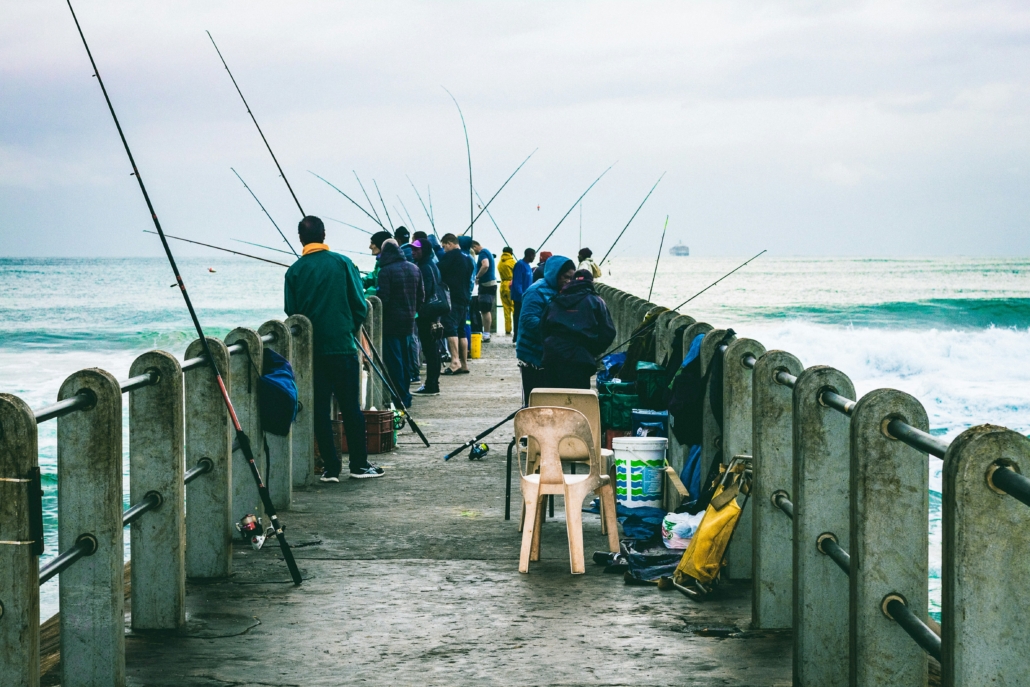 More than 3 billion people depend on the ocean for food and work. Nearly 60 million people have direct employment in fisheries and millions more work in processing and distribution. Fish and seafood account for more than 20% of the dietary protein intake for more than 3 billion people worldwide. Protecting these marine resources is the primary focus of Life below water (SDG 14), one of the United Nations’ 17 goals in the 2030 Agenda.
In South Africa, where unemployment rates are among the highest globally and poverty rates remain widespread, the health of marine ecosystems provides an undeniable economic opportunity. Efforts to protect life below water and reach SDG 14 in South Africa have not only become environmental priorities, but a broader strategy to support livelihoods for all generations.
Marine Resource Management Challenges
South Africa’s marine environment continues to face growing pressure through the exploitation of marine resources, changing weather patterns and plastic pollution. Overfishing remains one of the most significant threats to ocean ecosystems, with 34% of South Africa’s fish stocks either depleted or heavily depleted. Nearly half of South Africa’s marine sources are already fully exploited with another 15% overexploited, putting substantial pressure on key economic species like rock lobster and tuna. Local marine ecosystems are being reshaped along the country’s expansive coastline, driven by changing weather patterns. Fisheries are highly dependent on ecosystem health as the food web drives biodiversity and biomass.
Sardines play a crucial role in the region’s marine food web supporting a large portion of the country’s pelagic fishing industry. However, sardine biomass declined 25% of its historical maximum since 2004 along South Africa’s west coast, significantly impacting fish stocks up the food chain. As populations decline, annual catch quotas are reduced with significant decreases in employment opportunities in fisheries, processing plants and export sectors.
Only 46% of South Africa’s 122 million tons of plastic waste is recycled, leaving an estimated 79,000 tons every year to enter rivers, oceans and the environment. This makes South Africa one of the largest contributors of land-based marine plastic pollution. Beyond plastics, 86% of sewage treatment did not meet safety standards and continues to release effluent contaminants into rivers. These environmental pressures have consequences beyond biodiversity by threatening coastal economies that rely heavily on ocean resources. With unemployment in South Africa reaching around 32%, fisheries and marine tourism provide important sources of income.
How SDG 14 Initiatives Are Combating Challenges
In response to SDG 14, South Africa continues to invest in research and collaboration efforts to improve scientific understanding, expand marine protection efforts, and promote sustainable resource management. Most notably, South Africa has increased marine protected areas from 0.4% to 5.4% of its Exclusive Economic Zone, protecting more than 1.5 million hectares of marine critical habitat.
Researchers at the University of Cape Town play a key role in this effort by tracking ocean conditions to inform fisheries policies. One major initiative is the Marine and Antarctic Research for Innovation and Sustainability (MARIS) program. The Benguela Current system alone supports fisheries valued at more than $1 billion annually, highlighting the importance of research programs such as MARIS in guiding sustainable marine policy. Another key focus is the implementation of ecosystem-based fisheries management in the Benguela Large Marine Ecosystem through three primary objectives:
- Capacity and skills for research, management and compliance
- Sufficient finances for research, management and monitoring
- Effective data management between the monitoring and legal enforcement teams
The nutrient-rich Benguela current supports hundreds of thousands of livelihoods across southern Africa. To ensure sustainable fisheries policies and regulations within the marine park is critical. As Melrus managing director Tomas Kjelgaard states: “It’s very important for us to have a long-term business. If we overfish like they have done in many places during the last 20 years, then we don’t have a business the day after tomorrow.” To protect the livelihoods of future fishermen, continued cooperation between government agencies, local stakeholders and neighboring countries such as Namibia and Angola is essential.
Government-led education campaigns continue to spearhead community-driven initiatives in South Africa. Particularly, coastal cleanup programs removed 111.85 tonnes of waste from beaches and waterways during volunteer cleanup campaigns in 2024 and has employed more than 200,000 volunteers across the country. Additionally, academic programs such as SEAmester have helped train more than 500 students from 15 institutions, supporting next generation of marine scientists and securing employability across the sector.
The Future of South Africa’s Life Below Water
As South Africa continues to strive towards reaching the SDG 14, oceanic health and prosperity are becoming increasingly important toward reducing poverty and supporting sustainable economic development in South Africa. Despite universal challenges of overfishing, the changing climate and pollution, ongoing targeted research, informed policy decisions and community initiatives show that progress is possible. With expanding marine protected areas, stronger fisheries management, and education programs training the next generation of ocean stewards, South Africa is charting a course toward a healthier ocean and stronger coastal communities.
– Alyssa Forget
Alyssa is based in Dundas, Ontario, Canada and focuses on Good News for The Borgen Project.
Photo: Unsplash
