3 Legislative Moves & Global Poverty in 2026
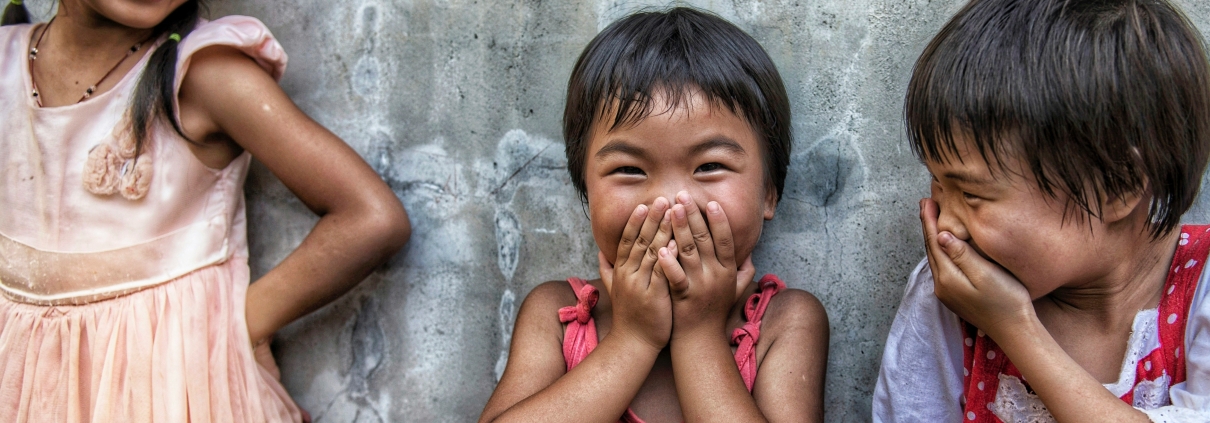 Poverty has emerged as one of the most challenging human rights issues and though it is improving in many regions, areas such as sub-Saharan Africa have seen declines. While it is traditionally believed that poverty naturally eases as a nation’s economy and GDP increase, this is not always the case. While an expanding economy does alleviate poverty, many other factors persist, such as education and discrimination.
According to the Food and Agriculture Organization of the United Nations (FAO), countries can adopt numerous legislative measures to address poverty, including land tenure rights, social protection systems and rural employment. Therefore, it is not only necessary for a government to expand markets and support investment, but also to pass legislation specifically aimed at improving the conditions that allow poverty to arise. Here is what some countries around the world are doing to legislate poverty eradication:
$16 Billion Rural Aid in Vietnam
Vietnam is creating legislation to lower global poverty in 2026. On December 11, 2025, the National Assembly passed a resolution to provide unprecedented funds for rural development until 2030. The move follows years of efforts since 2021, which by 2025 have already reduced the number of needy and near-poor households by 52.49%. In addition, the government built new housing in areas with ethnic minority populations and brought communes up to environmental safety standards.
The new resolution intends to follow in the successful footsteps of what came before. Notably, the program aims to reduce gender inequality, which is essential to improving the lives of impoverished individuals. According to the National Library of Medicine, there is a link between poverty and equity and therefore, addressing gender discrimination and inequality goes a long way.
Basic Income Grants in South Africa
In South Africa, the two richest individuals hold as much wealth as 50% of the population and the country has the highest Gini coefficient, a measure of social inequality, among all countries. This makes poverty a central issue that the government must confront. One political topic that has gained momentum recently is the implementation of basic income grants (BIGs).
Countries such as Namibia and India have introduced similar programs and shown increases in economic activity, nutrition levels, school attendance and even independence for certain groups, such as women. During COVID-19, South Africa carried out a BIG program and the results were effective. South Africa’s Department of Social Development (DSD) even reported a decrease in poverty at the Food Poverty Line, the lowest income possible to satisfy one’s nutritional needs.
The DSD has ordered a report on the possibility of such a program in South Africa and concluded that its COVID-19 policy should be continued and perhaps even the workup to a full-scale BIG program. While critics worry that the program will crowd out other spending or create an unsustainable fiscal burden, a future program could transform the fight against poverty.
Bangladesh’s Family Card
Recently, Bangladesh launched a new program to transform welfare services. Launched on March 10, 2026, the program shifts the focus from individual to household, given that poverty is experienced “collectively.” Accordingly, each household will have one card issued in the name of the female head.
The government has set ambitious goals, hoping to provide every citizen with a card by 2030. However, not everyone qualifies. Some example criteria include belonging to a marginalized group or being in a vulnerable household. This ensures that not just anybody receives these government benefits, only those who truly need them.
Overall Picture
Governments around the world are discovering that they can’t just let market forces determine the outcome of poverty in their countries; they must enact specific legislation to address it. As Joseph Stiglitz noted: “Much of the inequality that exists today is a result of government policy.” This is exactly what Vietnam, South Africa and Bangladesh are doing, pushing for policies that help those who need it most, a sign that the world is beginning to confront global poverty in 2026.
– Ben Anderson
Ben is based in Madrid, Spain and focuses on Business and Politics for The Borgen Project.
Photo: Unsplash
