Extreme Heat is Trapping Workers in Poverty in West Africa
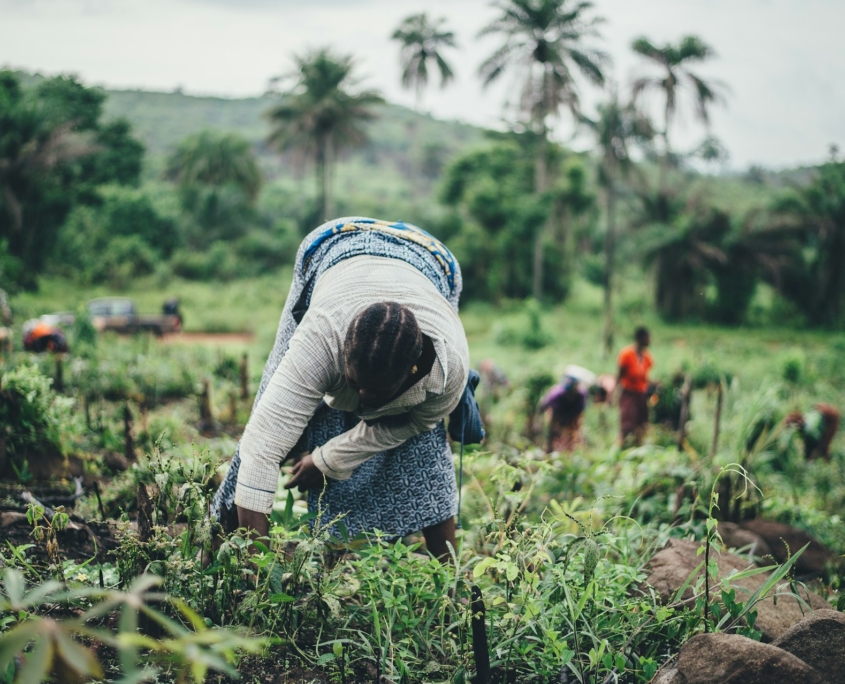 Across West Africa, rising temperatures are becoming more than an environmental issue. For many workers, extreme heat is affecting their ability to earn a living. Farmers, construction workers, street vendors and other outdoor laborers depend on long hours of physical work each day. However, as temperatures continue to rise, working conditions are becoming more dangerous and less productive. According to the World Bank, the changing climate could push more than 132 million people into poverty globally by 2030, with developing regions such as West Africa facing the greatest risks. This growing challenge is sometimes described as “cooling poverty,” where extreme heat reduces work capacity and pushes vulnerable workers deeper into poverty.
Heat Stress and Lost Working Hours
Extreme heat significantly reduces the number of hours people can safely work outdoors. According to the International Labour Organization (ILO), heat stress is expected to reduce total global working hours by 2.2% by 2030, which is equivalent to about 80 million full-time jobs. The report also estimates that Africa will lose about 4.7% of its total working hours, making it one of the regions most affected by rising temperatures.
In many parts of West Africa, daytime temperatures regularly exceed 35°C (95°F). For workers performing physically demanding tasks under direct sunlight, these conditions can cause dehydration, heat exhaustion and even heatstroke. Because of this, many laborers stop working during the hottest hours of the day, reducing productivity and daily income.
Farmers Facing Declining Productivity
Agriculture remains the backbone of employment in many West African countries. In Nigeria, for example, agriculture employs about 35% of the country’s workforce and supports millions of rural households. Similarly, in Ghana, the sector employs more than 30% of the labor force, according to the Food and Agriculture Organization (FAO).
Rising temperatures are making farm work increasingly difficult. Farmers often begin working very early in the morning to avoid extreme midday heat. However, shorter working hours reduce productivity. In addition, higher temperatures increase drought conditions and reduce soil moisture, which can damage crops and reduce harvests. Lower yields directly affect farmers’ incomes and increase the risk of poverty for rural communities.
Urban Workers Under Pressure
Extreme heat is also affecting workers in urban areas. Construction workers, delivery drivers, street vendors and market traders spend long hours outdoors across many West African cities. Many of these workers operate within the informal economy, which accounts for about 85% of employment in Africa, according to the International Labour Organization (ILO).
Without formal labor protections such as regulated working hours or health insurance, these workers often face difficult choices between protecting their health and earning enough money to survive. When temperatures become dangerously high, workers may slow down or stop working completely, resulting in lost daily income.
Extreme heat creates serious health risks for workers. Heat exposure can lead to dehydration, fatigue and reduced concentration, which increases the risk of workplace accidents. Long-term exposure to high temperatures can also contribute to chronic health problems.
The World Health Organization (WHO) reports that between 2000 and 2019, heat-related deaths among people over 65 increased by about 70% globally. As heat waves intensify, outdoor workers in vulnerable regions such as West Africa face growing health and economic risks.
Solutions to Protect Workers
Reducing the impact of extreme heat on workers requires stronger policies and practical solutions. Governments can introduce measures such as adjusting working hours to cooler parts of the day, providing shaded rest areas and ensuring access to safe drinking water. Public awareness campaigns can also help workers recognize the early signs of heat stress and take preventive action.
In agriculture, climate-resilient farming methods and improved irrigation systems can help farmers adapt to rising temperatures. Expanding access to climate information and early warning systems will also allow communities to prepare for extreme heat conditions and reduce economic losses.
Preventing Poverty in West Africa
Extreme heat is becoming an increasingly serious challenge for workers across West Africa. As temperatures continue to rise, outdoor laborers face growing health and economic risks. Efforts to improve working conditions and expand climate adaptation strategies may help reduce these risks and poverty in West Africa.
– Segun Oyekale
Segun is based in Lagos, Nigeria and focuses on Business and Good News for The Borgen Project.
Photo: Unsplash
