Education and Indian Tribal Communities Fight Against Poverty
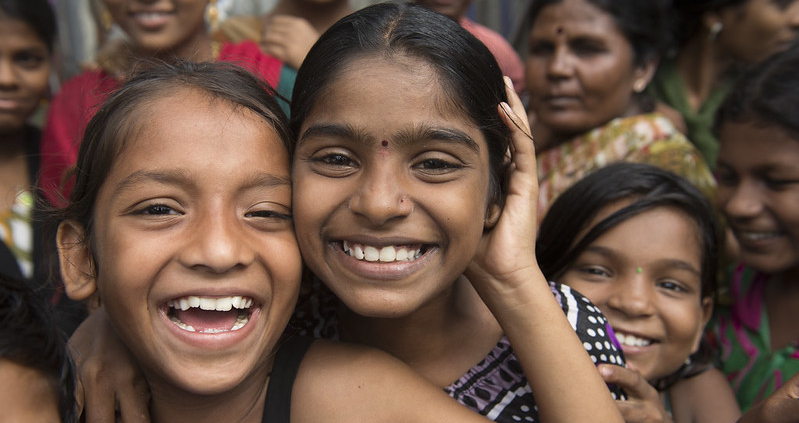 India prides itself on its rich cultural diversity, being home to the origin and existence of a variety of cultural groups. Indian tribal communities occupy a unique place within this diversity, with lineages and cultural practices dating back centuries. However, these Indigenous communities face poverty challenges of their own.
Moreover, their remote geographical locations further distance them from access to governmental aid. Over the years, different provisions and strategies were attempted, among which the chief focal point was improving literacy rates. Officials and some of the Indigenous groups view education as a potent long-term solution to alleviate the lives of the poor in this region.
Indian Tribal Communities and Poverty
Poverty ranks among the top socio-economic problems that the Scheduled Tribes in India encounter. A 2011 national census states that 45.3% of tribal communities in rural areas live below the poverty line, while their urban counterparts record 24.1% below the poverty line. Several social studies conducted in the last few decades also identify similar problems, along with a lack of resources, clean drinking water, sanitation and access to health care.
In historic times, records suggest that tribal communities flourished in a lifestyle centered around hunting, agriculture and barter trade systems. However, due to invasions and encroachment over centuries, many lost land and migrated to hilly regions.
The groups’ current landscape lacks resources that can nurture their survival, let alone provide a stable means of livelihood. Additionally, even those Indigenous groups that attempt to assimilate with the wider nation encounter unemployment challenges due to the existing literacy gap.
Education and Indian Tribal Communities
Indian tribal groups have a two-pronged approach toward mainstream education. One aspect views education as a means of economic and social empowerment. On the other hand, concerns about preserving cultural identity lead specific groups to show hostility toward central education.
Presently, in 2026, numerous scholars, including many from tribal origins, work toward building a more optimistic perspective. They identify issues and strategies that could help education become more culturally sensitive and accommodating of the inherent differences between tribal groups.
One particular social research study delves into several challenges in tribal communities’ education. Firstly, the lack of proper school infrastructure and accessibility poses a significant impediment. Second, economic and livelihood demands often include children as an integral part of procuring food or income.
In such cases, tribal families tend to view sending children to school as a luxury they cannot afford, despite education being free. Thus, many experts highlight the need to include Indigenous group members in the decision-making process regarding education for children in these communities.
Education’s Role in the Fight Against Poverty
While earlier sections discussed the poverty existing among tribal and Indigenous groups in India, many proposed solutions point toward education. Studies over the past century emphasize the role education can play in poverty reduction.
Nobel laureate economist James Heckman stated that early education can help break the cycle of poverty across multiple generations. A 2017 report from the United Nations Educational, Scientific and Cultural Organization (UNESCO) says that nearly 420 million people could escape poverty if they complete secondary education.
Through education, tribal communities, specifically those residing in urban areas, stand a higher chance of employment. Subsequently, this leads to improved access to basic needs such as food, health care and economic opportunity.
Moreover, education can help empower multiple aspects of Indigenous communities. For children, it opens opportunities beyond the villages and cities of their upbringing. Adult tribal men can benefit from technology and other advancements that education provides for farming, animal rearing and other means of livelihood.
Women, through education, may benefit significantly. Apart from financial independence, Adivasi women can face gender-based risks such as domestic abuse, child marriage and human trafficking. Literacy and education can help women better protect themselves from such risks and improve their economic opportunities.
Looking Ahead
Education has the potential to transform the lives of Indian tribal communities. As discussed, policymakers and nongovernmental organizations (NGOs) continue to address many factors contributing to poverty among tribal groups through education initiatives. However, experts note that strategies require culturally responsive and community-centered approaches to education. Such approaches may improve the likelihood of reducing poverty within these communities.
– Shafika Fathima
Shafika is based in Chennai, India and focuses on Good News and Global Health for The Borgen Project.
Photo: Flickr
