Migration to Puerto Rico
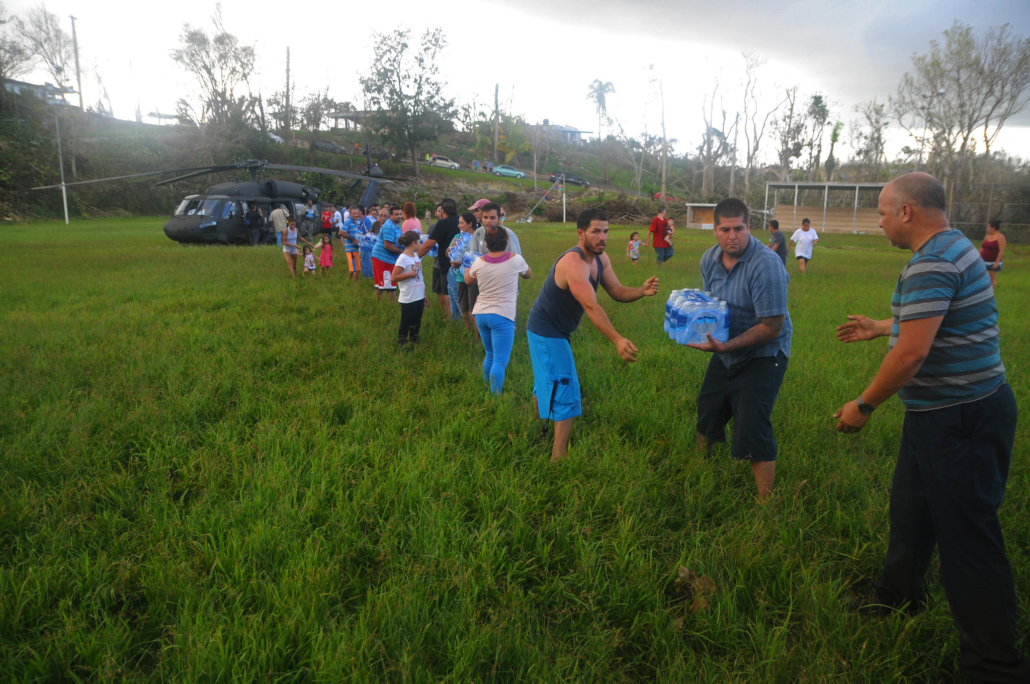 Outward migration long defined Puerto Rico, as hundreds of thousands of residents left the island over the past two decades. Between 2010 and 2020, Puerto Rico’s population declined by 11.8%, falling from about 3.7 million to 3.3 million residents. Following Hurricane Maria, migration accelerated, with approximately 97,000 people leaving the island in 2017 alone. These sustained outflows reduced the labor force and contributed to long-term economic challenges, including workforce shortages and declining tax revenue.
In recent years, migration to Puerto Rico has begun to shift, although outmigration still exceeds inflows. In 2024, about 25,000 people moved to Puerto Rico from the mainland United States, while approximately 38,000 residents left, showing a continued but narrowing population loss. Return migration has increased as Puerto Ricans relocate from states such as Florida and New York, while migrants from across Latin America and the Caribbean also arrive seeking economic stability. These changing migration patterns now play a growing role in shaping labor markets, housing demand and public services.
Who Is Migrating to Puerto Rico?
Many groups contribute to migration to Puerto Rico, each with distinct economic impacts. Puerto Ricans returning from the mainland often bring savings, remote income or professional experience. Migrants from the Dominican Republic and Venezuela frequently seek employment in construction, tourism and domestic labor, where wages tend to be lower and job security limited. According to the Migration Policy Institute, these sectors rely heavily on migrant labor to meet workforce demand, particularly during post-disaster reconstruction and tourism expansion.
Mainland U.S. investors and remote workers have also increased migration to Puerto Rico under Act 60. These individuals often relocate to high-demand areas, contributing to rising property values and increased housing demand. While this investment supports economic growth, it can also increase housing costs for local residents, particularly in coastal and urban regions.
Migration to Puerto Rico and Poverty
Migration to Puerto Rico has helped address labor shortages, but poverty remains widespread. According to the World Bank, Puerto Rico’s income inequality remains high, with a Gini index above 0.54, one of the highest among U.S. jurisdictions. Many workers in tourism, construction and service industries earn wages that do not keep pace with the cost of living, increasing financial vulnerability even among employed individuals.
Housing demand has increased alongside migration, placing pressure on affordability. Research from Harvard DRCLAS identifies rising property values and short-term rental growth as key drivers of displacement in communities such as San Juan. Reports from Foundation for Puerto Rico also show that tourism development has increased demand for housing, particularly in coastal areas, making it more difficult for low-income residents to secure stable housing.
Language barriers, limited documentation and restricted access to services further affect migrants. These challenges limit access to health care, education and stable employment, increasing the likelihood of long-term economic hardship.
Economic Growth, Tourism and Inequality
Puerto Rico’s economy has expanded over time, but growth remains uneven. According to the World Bank, GDP growth data shows consistent long-term expansion in economic output, measured in constant 2015 U.S. dollars. Migration supports industries such as construction, tourism and services, which contribute to job creation and economic activity. However, GDP growth does not account for income distribution or cost-of-living differences.
Tourism plays a major role in employment. In 2024, visitors spent approximately $7.1 billion in Puerto Rico, supporting more than 115,000 jobs in hotels, restaurants and leisure services. Economic forecasts from the Puerto Rico Oversight Board indicate that while tourism remains strong, overall economic growth has slowed, with projections showing flat or modest growth in the near term. The labor market remains stable, but part-time employment has increased and younger workers face higher unemployment rates.
Despite this activity, inequality persists. Inflation in essential goods continues to outpace wage growth, and federal disaster recovery funding—while significant—has faced delays in distribution. These conditions limit the extent to which economic growth improves living standards for low-income households.
Organizations Supporting Migrants and Low-Income Families
The Hispanic Federation has operated in Puerto Rico since 2017, investing more than $54 million in recovery and resiliency efforts. The organization has supported more than 250 solar energy installations across schools and community centers and provided disaster assistance following multiple hurricanes. Its programs focus on housing, energy access and community development, directly benefiting migrants and low-income families.
The Community Foundation of Puerto Rico supports economic development through grants, small business funding and workforce programs. The foundation invests in community-based initiatives that help residents—including migrants—access employment, develop businesses and improve long-term financial stability.
Catholic Extension leads a large-scale rebuilding effort that includes restoring more than 600 churches, schools and community facilities across Puerto Rico. These projects create jobs, strengthen infrastructure and support long-term community recovery in areas experiencing natural disasters.
Following Hurricane Fiona, the FEMA provided approximately $574 million in assistance to more than 712,000 households. Disaster recovery centers and outreach programs helped residents access housing support, legal aid and rebuilding resources.
Caritas Puerto Rico serves approximately 75,000 people annually across 60 municipalities, providing food distribution, disaster relief, counseling and community support services. Its programs support migrants and vulnerable populations by addressing both immediate needs and long-term development.
Conclusion
Migration to Puerto Rico continues to reshape the island’s economic and social landscape. Migration supports labor markets and economic activity, particularly in tourism, construction and service industries. However, rising housing costs, persistent income inequality and limited access to services continue to affect both migrants and long-term residents.
Targeted policies that expand affordable housing, improve workforce development and strengthen social services can help ensure that migration to Puerto Rico supports economic stability rather than deepening inequality.
– Kianna Hines
Kianna is based in Brooklyn, NY, USA and focuses on Global Health for The Borgen Project.
Photo: Flickr
