A Race for Economic Stability at the Bahrain Grand Prix
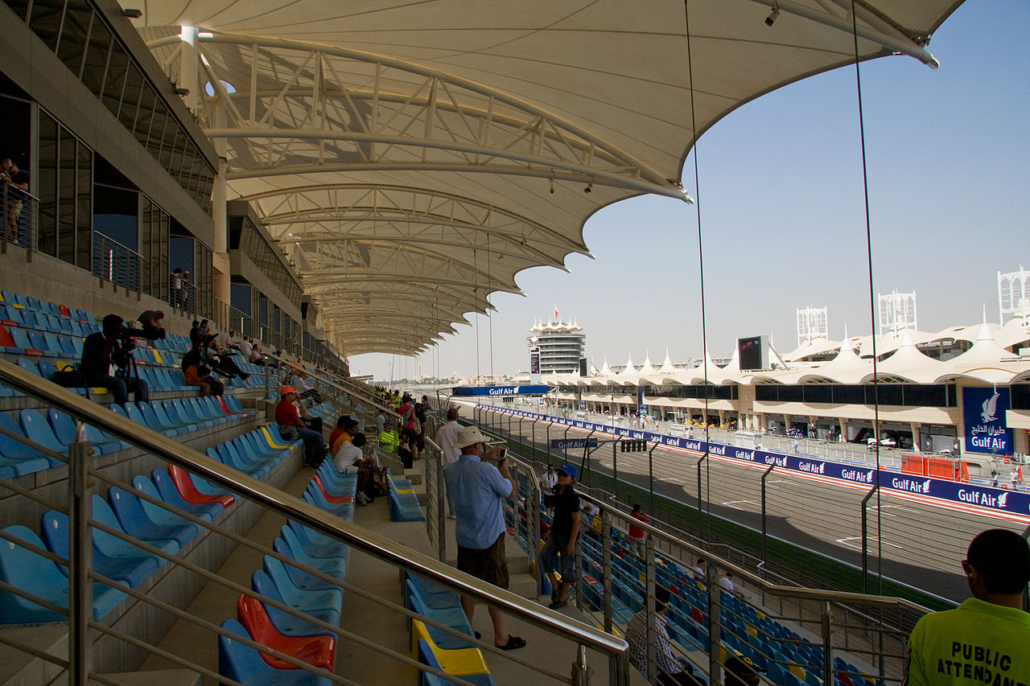 When the lights go out at the Bahrain Grand Prix, the world watches. Billions of global viewers tune in, and Formula 1 has transformed Bahrain into more than just a recognizable name in international sport. Beyond the roar of engines and celebrity spotlights, however, the Grand Prix has delivered more than media attention; it has strengthened the country’s economic stability. Since hosting its first race in 2004, Bahrain has generated an estimated $1.3 billion in economic impact from the Grand Prix.
During its first decade, a single race weekend generates hundreds of millions of dollars in tourism revenue, filling hotels, restaurants and transport services. Each year, race week creates around 3,000 jobs across sectors such as hospitality, logistics and event management.
This is alongside permanent positions in logistics, catering and circuit management. For a country of 1.4 million people, whose dependency is on volatile oil revenues, these numbers matter to ensure a future of economic stability.
A Balanced Perspective
Despite this macroeconomic growth, poverty remains a pressing issue. According to ESCWA, one in 13 Bahrainis (7.5%) live below the poverty line or approximately 54,000 citizens. The spending of the poorest 10% of families is 10 times lower than that of the richest 10%.
These figures also highlight deep inequality. However, Formula 1’s arrival has delivered tangible, though often short-term, solutions. One of the country’s most lucrative sporting and entertainment events now serves as a strategic tool in Bahrain’s poverty-reduction efforts. The Bahrain International Circuit has driven development in Sakhir, attracting new hotels, entertainment venues and real estate investment. These projects create employment beyond race week and help diversify the economy away from oil dependence.
However, important caveats remain. To ensure that global events like Formula 1 translate economic gains into inclusive growth, policymakers must link revenues directly to community programs, invest in workforce training and create targeted employment pathways for vulnerable job seekers.
Across the world, governments increasingly pair sporting mega-events with community development frameworks. Bahrain, with its global visibility and financial inflows, holds the platform to do the same. Before COVID-19, global extreme poverty fell below 10%, down from more than 35% in 1990. Although recent crises reversed some of those gains, history shows that sustained and intentional policy choices can drive real progress.
Looking Ahead
Bahrain’s story reflects a broader truth: economic branding alone does not eliminate poverty, but economic growth paired with inclusive financial strategies can drive meaningful change.
With sustained investment in fair employment expansion and responsible global partnerships, Bahrain can turn Formula 1’s global spotlight into long-term opportunity. When the checkered flag falls, the real race becomes the pursuit of inclusive economic stability and growth – and that race continues.
– Demetra Mykoniatis
Demetra is based in the United Kingdom and focuses on Good News for The Borgen Project.
Photo: Wikimedia Commons
