Midwife Training and Maternal Mortality in Somalia
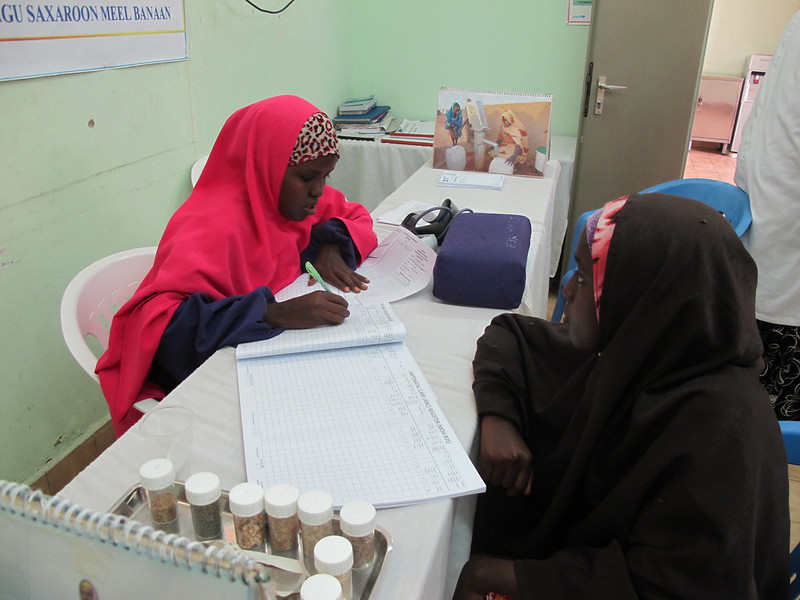 The Federal Republic of Somalia, is the easternmost country in continental Africa. In 2025, there were 1.5 midwives per 10,000 people in Somalia, with a stillbirth rate of 35. The country has one of the worst health indicators in the world following decades of conflict, natural disasters and disease outbreaks. Midwife training in Somalia is necessary since midwives face stigmatisation as well as a lack of support in their work, but their mission to protect and nurture more lives remains in focus.
Why is There a Crisis in Somalia?
Somalia has endured prolonged conflict between the state and non-state armed groups, with significant funding cuts in 2025. More than 1.7 million vulnerable people lost access to protection services and an estimated 6 million people are in extreme need of life-saving assistance.
Ms Fatima Mohamed Abdalla, an official of the Somali Midwifery Association, spoke about how mothers suffer from the effects of poverty, walking long distances to reach a health facility, and no ambulances for effective referral of cases to the hospital. This shows the need for a stronger maternal health workforce where midwife training in Somalia consists of an approved institution and license to practice.
Solution to Maternal Mortality Rates in Somalia?
Midwives provide holistic care that meet every woman’s individual needs, education on sexual and reproductive health and they optimize the normal processes of pregnancy, childbirth, the postnatal and newborn period.
Farhiya Ali Abdi – in a press release in 2019 – stated that she was driven by the fact that she was helping the most vulnerable people, including children as well as their mothers. In Somalia, there is a preference for Traditional Birth Attendants, rather than young midwives, due to experience and training, but this leads to a stigma arising for new healthcare professionals.
The World Health Organization (WHO) has been helping the crisis in Somalia, with their Reproductive Health and Nursing and Midwifery Programme Officer based in Somaliland, Asia Osman Ahmed, advocates for the need to train and oversee the work of midwives. She described a moment of a woman waiting desperately at a health facility for help, as a traditional midwife who tried to open up her FGM stitches so that her husband could enjoy being intimate with her had cut up part of her rectum and given her second degree tears.
This is the reality of so many women in Somalia and midwife training in Somalia is more than taking care of birth processes; it is about protecting every woman and child from injustice and needless suffering. WHO has also demonstrated a need to discuss with the Government to link community midwives to qualified midwives, who have been trained by partners such as the United Nations Populations Fund.
Investment
Somalia ranks among the countries with the highest maternal mortality rate, with an estimated shortage of 20,000 midwives compared to the WHO recommended standard. Graduate midwives have identified gaps in dealing with abortion and neonatal resuscitation, indicating the need for longer clinical training periods.
In 2016, according to the Somali Health and Demographic Survey (SHDS), only 32% of Somali women delivered with the assistance of skilled birth attendants.
With more investment and training, midwives can meet about 90% of the need for essential sexual, reproductive, maternal, newborn and adolescent health interventions. By 2035, they could save 4.3 million people per year, which highlights the need for more training.
A midwife is more than a trained professional, a midwife is a life saver, a source of reassurance, and a listener. Midwife training in Somalia is essential with a need for more midwives willing to fight against stigma, so that women and children have a greater chance of survival in the country.
– Anisa Begum
Anisa is based in Author’s City and State: Birmingham, UK and focuses on Global Health for The Borgen Project.
Photo: Flickr
