Updates on SDG 6 in Burkina Faso
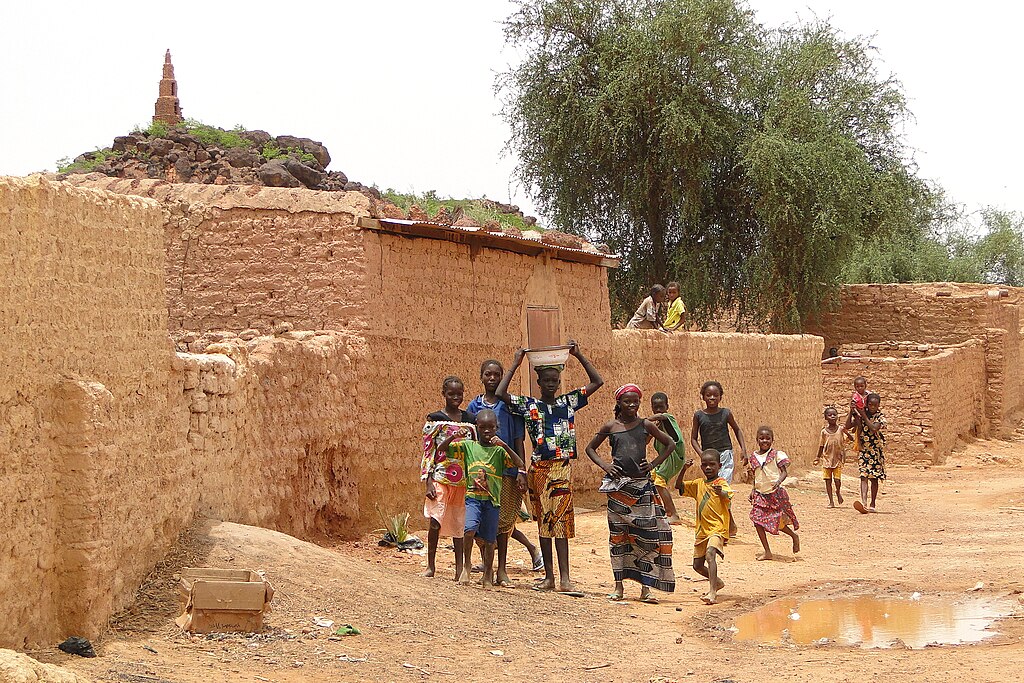 Bordering the Sahara Desert, Burkina Faso is a West African nation within one of the fastest heating climates in the world. Burkinabe people in rural areas are especially vulnerable to reduced water access with as many as two thirds unable to access clean drinking water reliably. The sweeping reforms current administration leader Captain Ibrahim Traoré made have prioritized the donation of machinery, vehicles and equipment to local rural communities. With the added donation of training and construction supplies, Faso Mêbo is a government program that is expanding access to clean drinking water in Burkina Faso and aims to empower rural communities to keep change sustainable. These reforms mark important updates on SDG 6 in Burkina Faso, particularly in relation to rural water access and public infrastructure development.
Water Access in Burkina Faso
Between 2000 and 2022, Burkina Faso was the only West African nation where the proportion of people with access to clean drinking water decreased. The United Nations aims to end global poverty through shared targets for 17 key factors. The Sustainable Development Goals (SDG), SDG 6 sets out targets for Clean Water and Sanitation. Recent updates on SDG 6 in Burkina Faso show that one cannot separate water access from security, governance and climate pressures.
Since armed conflict with insurgent forces began in 2016, access to clean drinking water in Burkina Faso has deep ties to security. The militant group JNIM in particular has been ramping up attacks against water infrastructure, such as water transport trucks and village water pumps, since 2022. Researchers Zoltán Ködmön and Júlia Szőke for Clean Technologies and Environmental Policy (2025) show evidence of a strong geographical link between water facilities hit by militants and regions where communities accessing cannot access clean drinking water on a regular basis, indicating that solving this crisis has to be multifaceted. They argue that “sustainable water security can only be achieved to a certain extent, as the work, the money spent over many years and the results achieved can be destroyed by armed groups in no time.”
A general reduction in rainfall, hotter weather and crops failing due to sudden temperature changes characterize an increasingly volatile West African climate. As the climate crisis worsens, rural communities become more reliant on often expensive irrigation reforms to survive. Traoré’s initiative to restore water storage infrastructure to its previous capacity shows a commitment to the United Nations’ Sustainable Development Goals (SDGs).
Addressing SDG 6 in Burkina Faso
A recent trend of government policy sees local communities undertake the construction of water reforms across Burkina Faso using materials and vehicles the administration donated for irrigation and hydro-agriculture. This is a departure that signals an increased willingness to cooperate with rural groups the Compaoré administration had alienated in the decades prior and align with Ködmön and Szőke’s recommendation that “decentralizing water governance and building local institutional capacities—particularly in conflict affected areas—[is] essential for improving long-term resilience.”
An increased focus on water development in the North is essential to the well-being of the poorest in Burkina Faso. The African Development Bank (ADB), since the 2015 change from Millennium Development Goals to Sustainable Development Goals, has funded more projects in the Nord and Sahel provinces but the imbalance of funding still remains.
Looking Ahead
Updates on SDG 6 in Burkina Faso imply that clean water access is a technical and environmental challenge and also a question of class, security, and sovereignty. The Traoré administration’s turn toward public ownership, decentralized governance and mass participation represents a rupture with neoliberal development models that have ultimately failed the rural poor in Burkina Faso in the past. By placing infrastructure, training and decision-making power directly in the hands of communities, Faso Mêbo demonstrates that collective ownership and international co-operation can achieve sustainable development.
– Zoey Cruz
Zoey is based in Bedfordshire, UK and focuses on Technology and Global Health for The Borgen Project.
Photo: Wikimedia Commons
