Spotlighting 5 Charities in the Galapagos
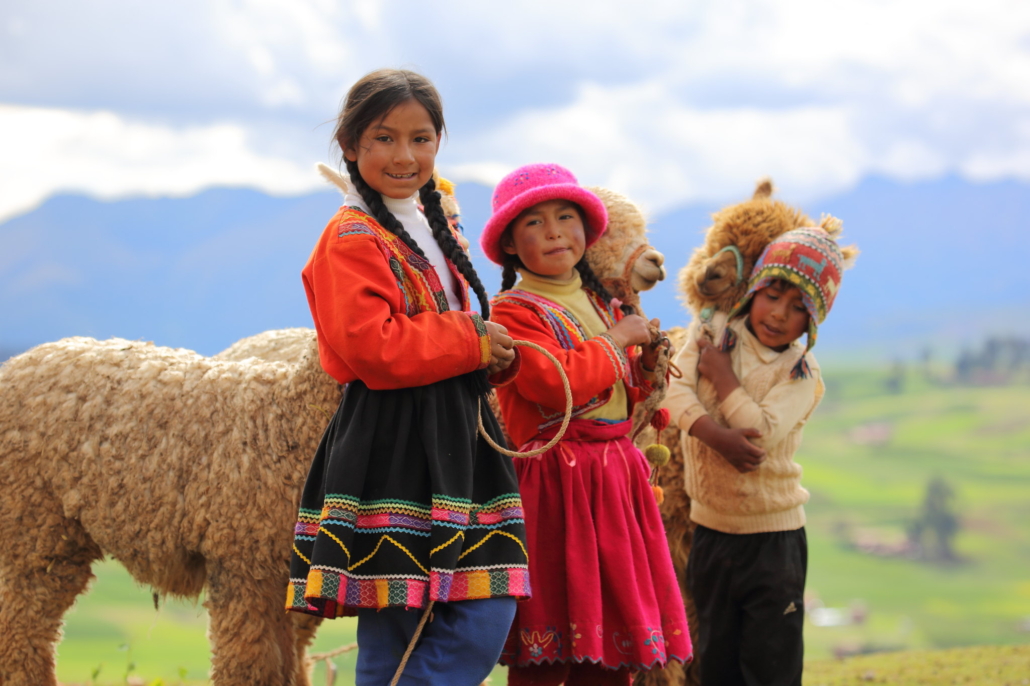 Although the main focus of many charities operating throughout the Galapagos Islands is wildlife conservation-based, efforts also prioritize the residents of these islands. More than 25% of residents in Ecuador and the Galapagos Islands are living in poverty. Below are five charities in the Galapagos doing work in the islands to help.
1. The Charles Darwin Foundation
In 1959, a group of scientists and researchers created the Charles Darwin Foundation to preserve the communities across the Galapagos Islands. Since then, it has only grown, becoming one of the leading charities in the Galapagos.
Volunteers are able to utilize the work they are putting into the environment to better the lives of the residents. Not only do they offer a comprehensive science education program, but they have also created clubs and social groups for the children enrolled. These opportunities are not something they can find elsewhere.
In addition to their classes and experiential learning activities, the foundation has traveling libraries to supplement the lack of them on the Floreana and Isabela islands. By providing 1,500 children with advanced education each year, it gives them additional opportunities for their future, widening what was previously available to them.
Education resources in the Galapagos Islands are extremely limited, so these programs are valuable to children living in poverty if they hope to have ample job prospects as they approach adulthood.
2. Ecuador Volunteer Fundacion
Ecuador Volunteer Fundacion has curated a vast network of volunteers across the globe who work to aid the community in the Galapagos. It is helping to better the lives of many by flying out volunteers to help directly, taking donations to increase their assistance budget and more. Its volunteers work closely with both children and adults on the islands to help them succeed. Because of its efforts, 1,437+ families have received natural, healthy food bags. On top of this, 1,161+ children have received a strong education and benefited developmentally.
These families are reliant on this kind of charity work as food and water insecurity are prominent in the Galapagos. It primarily receives food through imports from Ecuador, which often results in a decrease in the quality and nutritional value.
3. The Intrepid Foundation: Galapagos Conservancy
The primary focus of this foundation is to raise funds to support the people of the Galapagos Islands through a donation portal. It advocates for the often less-recognized troubles these communities face.
It pushes for women to have equal access to job opportunities and supports women’s leadership throughout the islands, desiring an inclusive environment. Through this, families can better support themselves financially. In tandem with this, it advocates for women to have a part in the conservation of their home. A large part of the work that charities in the Galapagos are doing is environmental, and they push for all residents to be included in that.
As this foundation has progressed, 60 women now have steady support to pursue sustainability and nutrition based work. The grants they have received have been as much as $10,000.
4. Galapagos Conservation Trust
The Galapagos Conservation Trust is composed of volunteers, scientists, citizen scientists, supporting members and the many people who donate. All of these people work together to curate a sustainable, hospitable home for the people of the Galapagos.
It works directly with community members and scientists from the islands to empower them to sustain conservation efforts in their communities. It is ensuring the future of their children, grandchildren and more by having sustainable development.
Volunteers also provide families with food security through the Urban Family Gardening project. Starting in 2020, it has supported local families in starting their own gardens and growing their own food to ensure their well-being. This project makes it so that the children of the islands are receiving healthy food, especially as importing from the mainland has been less effective after the COVID-19 pandemic. In just its first year, it reached 525 families and 19 teachers, and only more since.
5. Heifer International
Heifer International operates in nearly 20 countries to promote food security for impoverished families across the world. Particularly, in Ecuador and the Galapagos Islands, it aids rural communities in connecting with larger markets to promote their farming economy. Rather than focusing solely on the short term, it works to grow the islands’ economy over time.
It has had more than 600,000 participants in its program in Ecuador and the Galapagos Islands since 1993, empowering people to grow their own food and take their agricultural businesses to the next level. As residents grow their own food, access to food is inherently more stable than relying on imports from elsewhere. By 2030, it hopes to have sustainable food systems operating in 189,000 households and rural areas to help them overcome poverty, food insecurity and eventually have a stable, livable income.
Final Remarks
As more charities expand to include the Galapagos in their ventures, and new ones pop up fully devoted to the islands, the percentage of islanders living in poverty will decrease further. It is important to support these organizations to make stability for these residents a possibility.
– Megan McGrath
Megan is based in Verona, NJ, USA and focuses on Good News and Global Health for The Borgen Project.
Photo: Flickr
