Nanozymes hold promise for developing countries
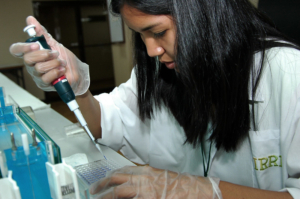 Nano enzymes (nanozymes) are an emerging technology that could transform the fields of disease diagnosis, environmental remediation and food safety. Made from nano materials, nanozymes can mimic the functions of natural enzymes while exhibiting enhanced optical, electrical and chemical properties. Due to their low cost, high stability and ease of mass production, nanozymes hold promise for developing countries as they have the potential to provide affordable, accessible healthcare solutions to those living in poverty.
What are Nanozymes
Nanozymes are processed from various types of nanomaterials and must be biodegradable and biocompatible as they are used in living and environmental systems. Their synthetic nature makes them highly stable, unlike natural enzymes that degrade, enabling reliable mass production with standard techniques such as chemical reduction. Nanozymes are generally classified into four groups: metallic-based, metal oxide-based, carbon-based, and others (such as metal-organic frameworks).
Nanozymes possess numerous properties that make them extremely valuable, with different types of nanozymes exhibiting unique attributes and capabilities. Noble metal- (e.g. silver and gold) based nanozymes possess antibacterial activity, providing the ability to treat infectious illness. Metal- and carbon-based nanozymes exhibit antioxidant properties and have the potential to treat neurodegenerative diseases such as Parkinson’s disease and Alzheimer’s as well as other conditions such as cancer and kidney disease.
Due to their high catalytic activity, metal, metal-oxide and carbon-based nanozymes can function as biosensors, aiding in detection of cancer, viruses and food-borne pathogens and can also be used to treat environmental pollution due to their bioactive nature. Metal-organic nanozymes, with high porosity and catalytic activity, can also be used for environmental remediation.
Diagnosis of Ebola
The Ebola virus is one of the world’s deadliest viruses. Without treatment, up to 90% of cases are fatal. From 2014 to 2016, West Africa experienced the largest ever Ebola outbreak with more than 28,600 people infected. Due to vaccines and early isolation, the number of new Ebola cases has since decreased considerably, though innovative detection solutions could potentially reduce the rate even more. A new method that could even more rapidly detect the virus uses an MNP-based immunochromatographic strip capable of identifying the Ebola virus glycoprotein. The proposed strip provides results quickly and is simpler to use than the standard test strip, as it does not require specialized facilities and people can read it with the naked eye. With a sensitivity of more than 100 times that of standard tests, the anticipated nanozyme strip could have great benefits for Ebola diagnosis.
Nanozymes for Treatment Of Water
Industrial production can discharge high concentrations of chemicals into wastewater. This can lead to environmental pollution and human health issues without proper treatment. Traditional biochemical water treatment techniques can be inefficient in degrading wastewater chemicals, while nanozymes are capable of efficiently oxidizing chemicals and eliminating them from the wastewater. Nanozymes are just beginning to enter the water treatment market space and are another way in which nanozymes hold promise for developing countries.
Food Microbe Detection
Foodborne microbes such as Listeria and Salmonella can cause sickness and even death. The risk of foodborne illness is highest in low- and middle-income countries due to inadequate food storage conditions, poor preparation practices and lack of food safety laws.
Traditional food microbial detection techniques can be time-consuming, requiring several processing steps, while food microbe biosensing nanozymes can detect microbial contaminants in food more efficiently with high accuracy, according to Biomimetics.
Swift detection of food contaminants can halt the provocation of foodborne illness and reduce the monetary burden on individuals. Affordable food microbial-sensing nanozymes are currently on the market and can provide great benefits to those in developing countries who have minimal economic resources.
Shown to increase the speed and efficiency of key health-related activities such as disease diagnosis, food safety monitoring and environmental treatment processes, nanozymes hold promise for developing countries that could greatly benefit from their low cost, straight forward production process and their fast-acting capabilities.
– Debbie Barto
Debbie is based in Monroe, WA, USA and focuses on Technology and Solutions for The Borgen Project.
Photo: Flickr
