Feeding a Tourism Boom: How Food Tourism Fights Poverty
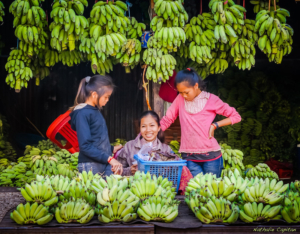 Food tourism is a growing trend in the travel industry, with travelers seeking out local culinary experiences as part of their trip. Because food is closely tied to culture and history, these experiences also offer travelers a way to learn about local traditions and connect with the communities behind them. In many places, there is resistance to tourists or migrants out of concern for protecting local ways of life.
Culinary tourism, however, offers a more accessible form of cultural exchange. By sharing food and culinary knowledge, refugees and low-income communities can earn an income while introducing others to their culture. Through cooking classes, food tours and shared dining experiences, food becomes both a point of connection and a practical route out of poverty, demonstrating how food tourism fights poverty in tangible ways.
The Growth of Food Tourism in Vietnam
As travelers increasingly look to connect with local culture through food, Vietnam has emerged as a key destination for food tourism. The country’s diverse regional cuisines, including widely recognized dishes such as pho, banh mi and bun cha, have gained growing international attention, making food a central part of the visitor experience. Culinary experiences now influence travel choices, with many visitors actively seeking out food tours, cooking classes and local dining as part of their itineraries.
In response to this demand, Vietnamese cities such as Ho Chi Minh City have begun positioning cuisine as a “language of tourism,” using food to enhance cultural engagement and destination appeal. Across the country, food tourism takes many forms, including guided food tours, cooking classes and home-based dining experiences. Locals transform everyday culinary practices into paid experiences through these activities, relying on local knowledge of regional cuisines and traditional cooking methods.
In doing so, food tourism creates accessible income opportunities in both urban and rural communities, linking cultural heritage directly to economic activity. One initiative that demonstrates how food tourism can support economic opportunity is STREETS International, a social enterprise based in Hoi An. Founded in 2009, STREETS combines culinary training with hospitality education through a free 14-month program for disadvantaged young people living in poverty.
The program provides classroom instruction, hands-on training, English-language education, supervised housing and access to basic needs such as meals and health care. Associated enterprises, including Oodles of Noodles and the Noodle House, provide participants with practical experience within the tourism sector. Through this model, STREETS supports pathways into employment and long-term economic independence, illustrating how food-related tourism initiatives can contribute to sustainable livelihoods in Vietnam’s hospitality industry.
Cooking Classes and Refugee Support
In the U.K., food tourism has also taken on a social role through initiatives like Migrateful, which uses cooking classes to support refugees and asylum seekers. Rather than having visitors consume and leave food behind, Migrateful centers the people behind the recipes. Participants lead public cooking classes, sharing dishes from their home countries while earning an income and building skills that support long-term employability.
Beyond economic support, the classes create a space where cultural exchange happens naturally, not through policy or debate, but through shared meals and conversation. For participants, this model offers practical economic support alongside confidence, language development and a sense of belonging. For attendees, it reframes migration through personal connection, demonstrating how food tourism fights poverty while encouraging understanding and inclusion.
Conclusion
Food tourism is more than a niche trend; it reflects a deeper shift in how tourism, culture and community intersect. At its heart, food tourism channels local food traditions and practices into meaningful economic activity, helping destinations not only attract visitors but translate cultural heritage into livelihoods. In places like Vietnam, cuisine plays a decisive role in destination choice and spending.
There, culinary experiences provide concrete income streams for small businesses and cultural practitioners while reinforcing cultural identity on the global stage. The World Food Travel Association estimates show up to 81% of international travelers seek local food experiences and spend 25–35% of their travel budget on food and drink.
When thoughtfully implemented, initiatives like STREETS International and Migrateful show that culinary programs can extend beyond meals to become catalysts for social and economic empowerment. By equipping participants with skills, income and confidence, these efforts demonstrate that cuisine can foster inclusion, cross-cultural understanding and sustainable livelihoods. In this way, food tourism fights poverty by feeding not just the tourism boom, but the communities behind the food itself.
– Iona Gethin
Iona is Exeter, UK and focuses on Good News for The Borgen Project.
Photo: Flickr
