Poverty Reduction in Kashmir
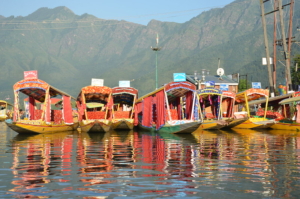 In many parts of Kashmir, income does not flow into households monthly. It depends upon tourism seasons, harvests, weather conditions and the access to markets that can disappear without any warning. For decades, this inconsistency and instability drove families through cycles of debt and unemployment. Today, poverty reduction in Kashmir is centered around rebuilding livelihoods that last more than a single season.
India has consistently and significantly reduced extreme poverty nationwide, according to the World Bank, but regions experiencing political tensions and geographical isolation face slower progress. In the state of Jammu and Kashmir, poverty stems from economic vulnerability, limited employment options, weak education systems and even weaker access to financial services. Development programs now focus on strengthening local income sources rather than relying on temporary assistance.
Farming and Handicrafts Anchoring Local Economies
Agriculture and handicrafts remain central to rural life in Kashmir. Small farmers and artisans often rely on narrow profit margins and informal markets. To address this, the International Fund for Agricultural Development (IFAD) supports projects that improve irrigation, better crop diversification and connect producers to more assured markets.
These initiatives help farmers reduce losses due to climate variability while increasing productivity. IFAD reports that similar rural livelihood programs across India have raised household incomes and improved food security, especially among smallholder farmers.
Women’s Self-Help Groups Promote Savings
Women lead self-help groups that have proven to be effective tools in poverty reduction in Kashmir. Through Jammu and Kashmir’s Rural Livelihoods Mission, women gain access to services such as savings accounts, low-interest loans and overall entrepreneurship training.
Many women pioneer tailoring businesses, food processing units and other local shops. These enterprises guarantee a steady income and therefore, the household does not solely depend upon informal lenders. Government data demonstrates that the households involved in self-help groups experience greater financial stability and better access to social services.
Education and Skills Create Pathways for Youth
For young people in Kashmir, limited employment opportunities often reflect gaps in skills and education rather than a lack of ambition. Education disruptions and unemployment perpetuate the unending cycles of poverty. UNICEF works alongside local partners to reinforce school attendance, making digital learning more accessible and vocational training in underserved districts.
Skills programs target sectors such as information technology, hospitality and renewable energy maintenance. UNICEF reports that education interventions in conflict regions increase long-term earning potential and help to reduce economic vulnerability boosting resilience.
Employment Guarantees Offer Income During Uncertainty
Social protection programs provide critical support during periods of job instability. The Mahatma Gandhi National Rural Employment Guarantee Act (MNREGA) provides wage employment to households while funding community infrastructure projects.
In Jammu and Kashmir, this program supports families during the agricultural off-seasons and economic and political disruptions. Official data indicate increased participation in recent years, helping households maintain a stable income all the while improving local infrastructure.
Entrepreneurship Expands Local Opportunity
Beyond the traditional rural livelihoods, entrepreneurships play a major role in poverty reduction in Kashmir. The Jammu and Kashmir Entrepreneurship Development Institute promotes small businesses through training, seed funding and mentorship.
These enterprises offer food processing, tourism services and handicraft exports as few of their services. Officials report that small businesses have grown significantly which has created local employment and reduces reliance on public assistance, multiplying the economic impact within said communities.
Building Resilience One Livelihood at a Time
Poverty reduction in Kashmir increasingly depends upon coordinated efforts that link livelihoods, education, financial inclusion and social protection. Challenges remain, but consistent and sustained investment in people and local businesses continue to help the economy build resilience across the state.
Development experts emphasize that continuous progress requires sustained efforts and market access. As these initiatives expand, they offer a stable and steady path towards greater economic success for such affected families across Kashmir.
– Parthivee Mukherji
Parthivee is based in Edinburgh, Scotland and focuses on Global Health and Celebs for The Borgen Project.
Photo: Flickr
