5 Diseases Impacting Myanmar
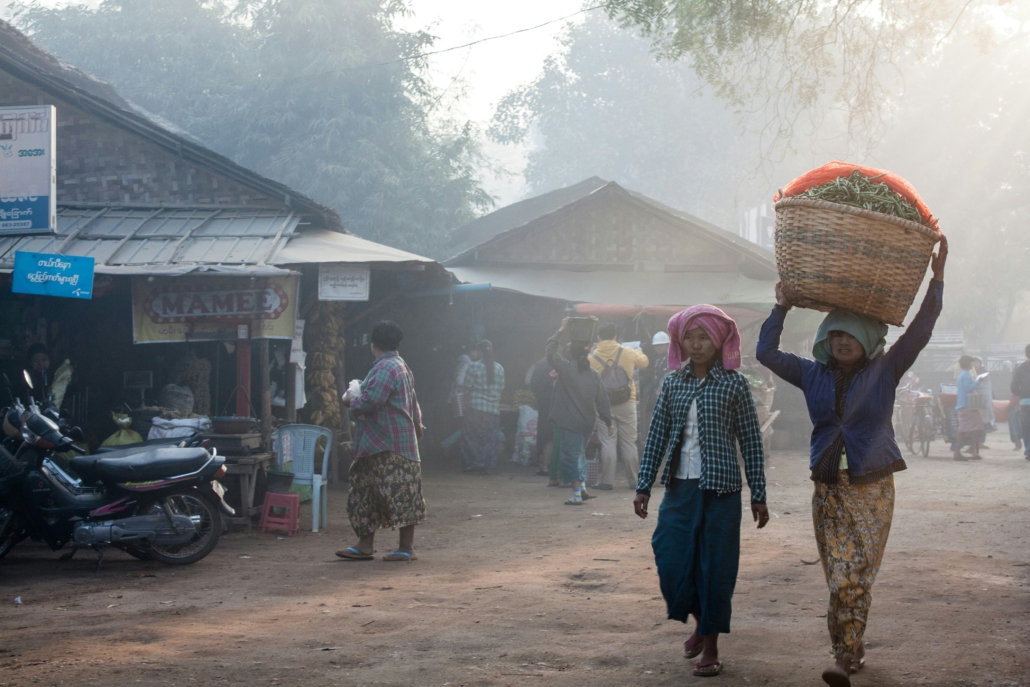 Myanmar is a nation of more than 100 ethnic groups, yet the Rohingya genocide has brought attention to the country’s corrupt military takeover from 2021. Due to the poor living conditions in the country and the current climate crisis, the diseases impacting Myanmar run rampant, but these are not just medical problems. They are symptoms of a broken health care system that conflict, repression, displacement and underfunding have weakened. However, the combined effort of international aid and volunteering has allowed some solutions to this health crisis. Here is information about five diseases that are impacting Myanmar.
5 Diseases Impacting Myanmar
The communicable diseases impacting Myanmar include:
- Tuberculosis: The incidence rate of TB was 558 per 100,000 population in 2023 and close to 50,000 deaths are as a result of the disease in Myanmar. Treatment interruptions have increased drug-resistant TB, yet NGOs are still using community-based treatment. More than 3.5 million internally displaced people and worsening poverty have increased TB vulnerability. In 2024, Doctors Without Borders helped 480 people start treatment for TB, with 981 staff in Myanmar providing health care services.
- Malaria: In 2023, there were 229,000 cases of malaria in Myanmar. Cases are resurging in conflict areas, despite proven interventions such as bed-net distribution, rapid testing and cross-border health programs. However, Myanmar aims to eliminate the transmission of malaria cases by 2030, and 126,562 patients received treatment between January and August 2025, according to Deputy Minister for Health, Professor Dr Aye Tun.
- HIV/AIDS: Disrupted access to antiretroviral therapy places lives at risk, even though mobile clinics have proven effective. In 2023, 0.9% of people aged between 15 and 49 suffered from HIV, with 5,800 of them dying. These diseases are not just affecting older people, but children and young adults, as well as people in detention.
- Dengue Fever: Rising infections linked to poor sanitation highlight the need for investment in water, waste management and disease surveillance. Myanmar is a country with frequent and continuous risk of dengue, especially due to seasonal changes. In 2019, dengue fever mostly infects children aged between 5 and 9 years old with 4,473 cases registered. The Ministry of Health tries to combat dengue by killing mosquito larvae, then fogging houses near patients to eliminate mosquitoes.
- Cholera/Diarrheal Diseases: Cholera is a waterborne disease that has surged in at least nine states in Myanmar since 2024. Around 300 people reported suffering from a cholera outbreak in late 2025, with seven confirmed dead. These people include vulnerable children without safe water or living conditions. Emergency WASH (Water, Sanitation and Hygiene) interventions that international donors support can address conditions.
Chronic Illnesses
Chronic illnesses such as diabetes, hypertension, heart disease and cancer are fatal for these people, because hospitals are underfunded, medicines are unavailable and travel to care is dangerous. Expanding access to health care, essential medicines lists and decentralized treatment is critical. Myanmar remains one of the world’s most underfunded humanitarian operations, receiving less than $136 million in 2025 of the $1.1 billion it needs.
The Relationship Between Poverty and Disease in Myanmar
In developing countries like Myanmar, preventative medicines and measures can be obtained by the wealthy, but this means that often, families without enough money face higher risks of dying from avoidable disease. Whilst in developed countries, the elderly are more likely to face these diseases, in Myanmar, people younger than the age of 70, and even children are suffering from both communicable and non-communicable diseases, due to the disparity between the country’s rich and the poor. Nearly 32% of the country lives in poverty. Poverty and disease in Myanmar share a symbiotic relationship, especially considering that after the 2025 earthquake, many people are living in tents, allowing outbreaks of cholera and other waterborne diseases to occur.
Solutions
There have been developments however. The Republic of Korea made a generous contribution to UNICEF to help families and the vulnerable in Myanmar, especially considering that one-third of more than 3.5 million displaced are children.
Organizations like Doctors Without Borders are trying their best to support Myanmar’s health care. Following the 2025 earthquake, it has restored more than 200 bore holes, supplied hospital beds and been trying to aid victims of serious diseases. Following the 2021 military coup, Doctors Without Borders donated medical supplies to Yangon and other locations. The success of help like this is demonstrated in the case of Ko Tin Maung Shwe, a patient suffering from HIV and hepatitis C. With hospitals being destroyed and the fear of travelling, Doctors Without Borders are helping patients like him with blood tests, consultations and medication. As well as this, it is expanding access to psychosocial support.
All of this help is essential because the ongoing conflict in Myanmar by the military regime has damaged civilian infrastructure and in 2023 alone, more than 418 attacks on health care had occurred. Alongside the violence, the climate crisis that has caused major earthquakes in Myanmar has led to an increase in the number of vulnerable people suffering from disease.
How Is the World Aiding Myanmar?
In 2025, the U.K. announced additional humanitarian funding to provide health care to 1 million people across Myanmar. The then Minister for Development, Anneliese Dodds, underscored this commitment by stressing that the U.K. would not abandon the people enduring a brutal conflict – one that has fueled a humanitarian emergency in a country already exposed to the impacts of changing weather patterns. This assistance has extended beyond the Rohingya community, supporting vulnerable populations nationwide, particularly in the aftermath of the 2025 Myanmar earthquake. Despite this, Donald Trump’s USAID cuts have severely limited the amount of health care support that exists, but countries within the EU, as well as NGOs like UNICEF, are still trying to help the crisis in Myanmar. UN agencies are committed to helping affected populations in Myanmar, proven by the fact that in July 2025, nearly 306,000 people across 59 earthquake-hit townships received health services.
Looking Ahead
People in Myanmar are in desperate need of humanitarian aid. They are not just suffering from war injuries, but they are also dying from illnesses that the international community already knows how to treat. The diseases impacting Myanmar are more than humanitarian crises, they are symbols of injustice, repression and perhaps even hope – hope that once the world understands how much the vulnerable people need help, they will act.
– Anisa Begum
Anisa is based in Birmingham, UK and focuses on Global Health for The Borgen Project.
Photo: Unsplash
