A Bright Future For Ecotourism In Madagascar
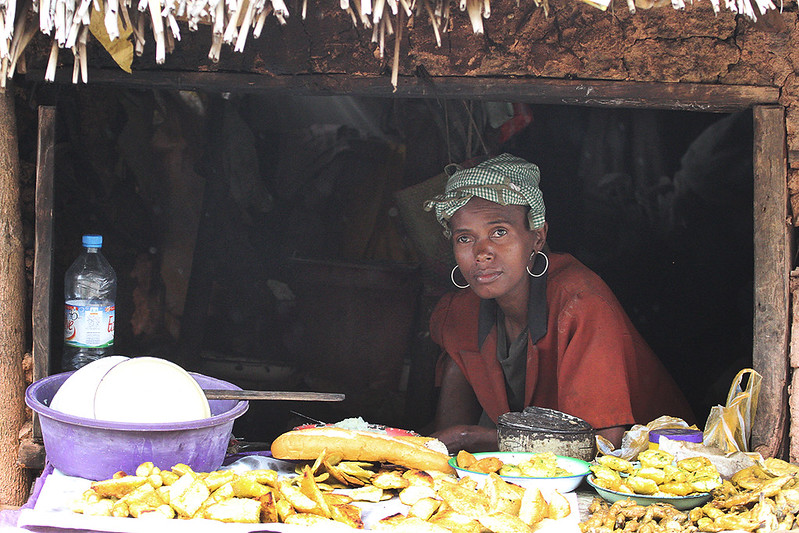 Ecotourism in Madagascar is a promising strategy to improve the standard of living for citizens of one of the most impoverished countries in the world. If responsibly managed, ecotourism benefits local communities, the economy and the environment. The establishment of national parks creates job opportunities, provides an economic incentive to protect natural areas and its wildlife and benefits local communities both directly and indirectly. Several organizations and local communities support and implement projects creating ecotourism and nature-based tourism programs for these reasons.
A Quick Background on Madagascar
Madagascar suffers from environmental challenges and a struggling economy. It has the sixth-highest national poverty rate in the world at 63.9%. The country is famous for its rich biodiversity, with 90% of its plants and 85% of its animals being endemic to the island. Some well-known species endemic to Madagascar are the lemurs, and approximately 80% of the world’s chameleon species are found in Madagascar.
Madagascar is among the countries with the highest deforestation rates in the world, with some regions and protected areas experiencing annual forest loss rates of around 2–3% in recent years due to agricultural expansion and illegal logging. Deforestation affects the environment and causes massive habitat loss, which threatens biodiversity due to potential species extinction. Almost all of Madagascar’s lemur species are either endangered or critically endangered, according to the Duke Lemur Center. Agriculture makes up 70% of total employment, but low agricultural productivity and insufficient resources cause eight out of 10 people residing in rural communities to live in poverty.
What Is Ecotourism?
The International Ecotourism Society defines ecotourism as “responsible travel to natural areas that conserves the environment, sustains the well-being of the local people, and involves interpretation and education.” Principles of ecotourism include minimizing impact on the area in use, promoting environmental and cultural awareness and respect, financially benefitting conservation efforts and local communities and partnering with the indigenous people.
The Need For Ecotourism In Madagascar
Ecotourism alleviates poverty by increasing wages, creating jobs and improving the economy. Tourism provides jobs for tour guides, tour company administrators, hotel staff and restaurant staff. Tour and resort administrative and general positions are not the only job opportunities created by tourism. Communities local to these parks and reserves benefit economically from shops, crafts and other goods supporting the tourism industry, encouraging the creation of small businesses by community members. It also alleviates the burden of poverty in villages surrounding parks and reserves by providing services including electricity, water and educational opportunities.
This kind of tourism offers an economic incentive to conserve the environment by generating revenue and employment without causing significant environmental damage. Supplying a tangible value to ecosystems leads to increased protected natural areas and safeguards areas without formal protection from deforestation and exploitation of natural resources.
Ecotourism in Madagascar safeguards biodiversity by protecting the habitats of its wildlife and preventing the extinction of endangered species. Establishing parks and reserves ensures protection for any wildlife in the area and their habitat. Tourists pay to see the rich biodiversity of Madagascar, adding tangible value to the wildlife and their homes.
Wildlife Madagascar
The Wildlife Madagascar organization partners with Malagasy communities to protect biodiversity while improving the livelihoods of community members. The community-based approach integrates local knowledge and experience with scientific and educational knowledge to create sustainable conservation solutions. Wildlife Madagascar educates farmers on optimal agricultural and forestry practices to improve food security and sustain natural resources. The organization also establishes sustainable and responsibly-managed ecotourism programs in communities to improve livelihoods and protect biodiversity.
Lemur Conservation Network
The Lemur Conservation Network works in Madagascar to save lemurs from extinction. Lemurs are the most endangered mammals in the world, with 98% of lemur species at risk of extinction and 31% critically endangered. The Network believes ecotourism to be a “win-win-win” for tourists, Malagasy citizens and lemurs, and provides grants and donations to ecotourism projects in Madagascar.
Community-Run Reserves
Communities across Madagascar establish their own community-run reserves to protect their natural areas and economically benefit from ecotourism. A member of the Betsileo tribe in southern Madagascar founded the Anja Reserve, which is popular for their ring-tailed lemurs. The Antanatiembo Reserve in the north is a locally-owned reserve comprising a dense bamboo forest housing bamboo lemurs, chameleons, insects and birds and a reforestation tree nursery.
Conservation Debates: Is Ecotourism Worth It?
Those against environmental conservation in Madagascar argue the legitimacy of protected areas without consent from locals and highlight the potential eviction of locals from newly established protected areas. They question whether locals can sustain their livelihood without the land they previously had unlimited access to.
In 2022, researchers conducted a study surrounding Andasibe-Mantadia National Park, Madagascar’s largest national park, to investigate the relationship between conservation and locals’ livelihoods. Their results concluded that livelihood improved for people in the surrounding villages due to the provision of jobs, electricity, water, increased income and improved education. Published in the SN Social Sciences, the study found a positive correlation between ecotourism and poverty reduction in surrounding villages.
The researchers determined that pre-existing socioeconomic inequalities within the surrounding villages caused villagers with low education and income levels to benefit less from ecotourism. Locals who speak multiple languages benefit from more employment options at the park and hotel, but to attain this education, they must attend schools outside their commune. Some villagers also reported the enforcement of stricter regulations for the collection of firewood within the forest on those without connections to the village chief or members of their community committee.
Conclusion
Ecotourism yields great benefits for the citizens, wildlife and natural areas of Madagascar. The revenue and job opportunities generated from ecotourism could alleviate poverty, improve livelihood in surrounding communities and economically incentivize the protection of wildlife and natural land areas. Malagasy people establish community-led reserves with support from conservation organizations to reap the economic benefits of ecotourism and protect their land from overexploitation of resources. In a country with a high burden of poverty and environmental challenges, ecotourism poses a multifaceted solution and a promising future.
– Sarah Merrill
Sarah is based in Matthews, NC, USA and focuses on Good News and Global Health for The Borgen Project.
Photo: Flickr
