Health Effects of Poverty on the Elderly
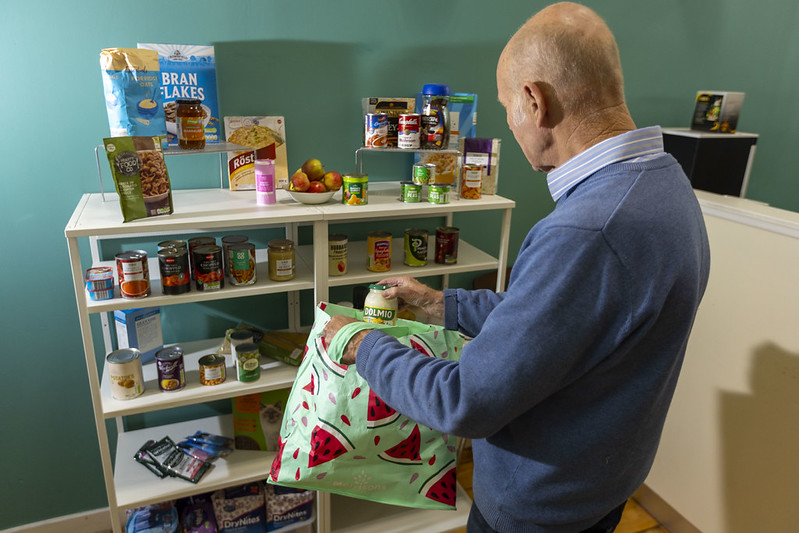 Poverty has long been associated with poor health outcomes, but its impact on older adults is often overlooked. Around the world, millions of elderly people live in poverty, facing barriers to basic needs such as food, housing and medical care. As global populations age, the health effects of poverty on the elderly have become an increasingly important global health concern.
Income Insecurity Among Older Adults
According to the World Bank, poverty remains widespread in many low- and middle-income countries, where social protection systems are often weak or underdeveloped. Older adults in these settings are particularly vulnerable because many no longer participate in the workforce and lack reliable sources of income. Without pensions or savings, elderly individuals may struggle to afford basic necessities, placing them at higher risk of poor health outcomes.
Barriers to Health Care Access and Malnutrition
Limited access to health care is one of the most serious health effects of poverty on the elderly. The World Health Organization (WHO) reports that health systems in many developing countries face challenges such as insufficient funding, limited infrastructure and shortages of health care workers. These systemic issues can make it difficult for older adults to receive regular medical attention, particularly for chronic conditions that require ongoing care.
Beyond physical health, poverty also affects mental and social well-being in old age. The absence of adequate social protection can lead to isolation, stress and reduced quality of life. According to the United Nations Department of Economic and Social Affairs, social pensions and income support programs play a critical role in protecting older adults from extreme poverty and improving overall well-being.
Food insecurity is another major concern linked to elderly poverty. The United Nations notes that older adults living in poverty are more likely to experience malnutrition due to limited access to nutritious food. Malnutrition weakens immune systems, increases susceptibility to illness and slows recovery, further worsening health outcomes for elderly populations living in poverty.
Global Efforts to Address Elderly Poverty
International organizations are working to address these challenges through policy support and health system strengthening. The WHO collaborates with national governments to improve primary health care systems, aiming to expand access to essential health services for vulnerable populations, including older adults. While these initiatives do not always target the elderly exclusively, strengthening health systems can indirectly improve access to care for aging populations.
Looking Ahead
The health effects of poverty on the elderly highlight the need for stronger social protection systems and accessible health care services worldwide. As global populations continue to age, addressing elderly poverty will remain essential to improving public health outcomes and ensuring that older adults can live with dignity. Expanding income support, improving access to medical care and strengthening health systems are critical steps toward reducing health disparities among elderly populations.
– Nishanth Pothapragada
Nishanth is based in London, ON, Canada and focuses on Global Health for The Borgen Project.
Photo: Flickr
