The Last Mile Against River Blindness in Cameroon
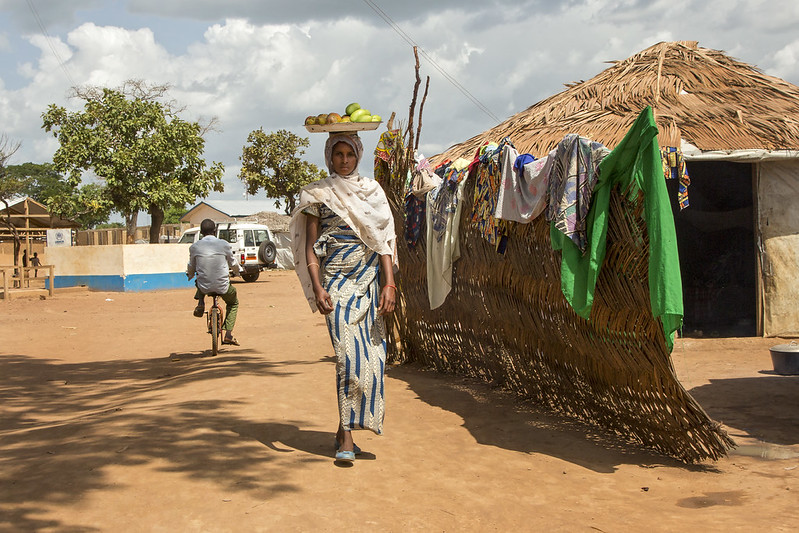 In the rugged highlands of western Cameroon, a silent threat loomed for decades: Onchocerciasis or “river blindness.” Transmitted by the bite of blackflies breeding in fast-flowing rivers, the disease causes severe itching, skin changes and, in its most advanced form, irreversible blindness. For communities living along the valleys of the Meme and Mbam rivers, onchocerciasis did not just affect health; it hampered schooling, work and development in already impoverished areas.
Background
Cameroon has long been an endemic country for onchocerciasis. Indeed, a geospatial modelling study of Africa and Yemen estimated that, as of 2018, national-level infection prevalence in Cameroon exceeded 5% and in some focal regions was much higher.
In response, Cameroon launched community-directed treatment with ivermectin in 1996 under the World Health Organization’s African Programme for Onchocerciasis Control. After APOC ended in 2015, the country continued elimination activities through the WHO’s Expanded Special Project for Elimination of Neglected Tropical Diseases (ESPEN), which now coordinates regional support.
Mass Drug Administration
At the heart of Cameroon’s strategy has been annual mass drug administration of ivermectin delivered through community-directed treatment. Over 15 years of campaigns in several districts have sharply reduced infection levels. In the Tombel Health District, for instance, after 15 consecutive years of treatment, microfilaria prevalence fell to 1.5% and nodule prevalence to 6%, indicating progress but not full interruption of transmission
Yet, remote mountain villages present persistent challenges. A 2024 study along the Cameroon–Chad border noted that onchocerciasis transmission remains ongoing despite decades of CDTI.
Localised vector habitats, seasonal migration of workers, and gaps in treatment coverage are among the underlying factors. A detailed study in the Meme River Basin highlighted how poverty, farming occupations, housing conditions and limited health seeking behaviour all hamper elimination efforts.
Community-Directed Distributors
Community health volunteers, called community-directed distributors (CDDs), carry the burden of delivering ivermectin and tracking treatments in hardscrabble terrain. But their efforts are constrained by low motivation, logistical bottlenecks and limited training. A qualitative study in three rural districts of Cameroon found that inadequate numbers of CDDs and weak understanding of the disease among health staff hamper progress.
Despite these challenges, when coverage is high and sustained, the health benefits are profound. People treated with ivermectin experience relief from itching, healing of skin lesions and prevention of visual impairment, according to the World Health Organization (WHO). In Cameroon’s Meme River Basin, researchers also found that annual community-directed treatment improved productivity and reduced stigma around the disease.
The Future
Progress in Cameroon against river blindness shows how persistence pays off. National health authorities continue annual community-directed ivermectin campaigns with support from the WHO’s Expanded Special Project for Elimination of Neglected Tropical Diseases (ESPEN). The country also participates in regional cross-border monitoring with Chad and Nigeria to track transmission and share data.
According to the WHO’s ESPEN program, several health districts in Cameroon have already transitioned to post-treatment surveillance after interrupting transmission, marking key milestones toward national elimination.
– Katie Williams
Katie is based in England, UK and focuses on Global Health for The Borgen Project.
Photo: Flickr
