Kyrgyzstan: What the McGovern-Dole Cutoff Means for Schools
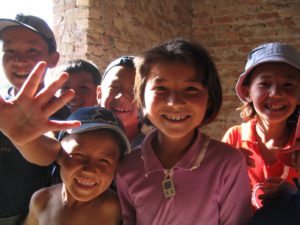 For more than a decade, schools in Kyrgyzstan have benefited from the McGovern-Dole Program of International Food for Education and Child Nutrition (MGD). MGD is operated by the U.S. Department of Agriculture (USDA) through its Foreign Agricultural Service (FAS). The program supports education, child development and food security in low-income, food-deficient countries.
It does this by donating U.S. agricultural commodities and providing financial and technical assistance to implement school feeding and maternal and child nutrition projects. Mercy Corps has implemented the MGD program in Kyrgyzstan since 2012. It has provided fortified flour, rice, peas, lentils and vegetable oil, along with infrastructure upgrades such as kitchen rehabilitation and hygiene improvements.
Impact and Recent Developments
Between 2012 and 2021, the program supported approximately 510 schools. It delivered around 3,810 metric tons of commodities, reaching more than 100,000 children in kindergartens and primary schools. During the 2022–2023 academic year, the U.S. Embassy in Bishkek reported that about 24,000 schoolchildren in 120 rural primary schools received fortified food supplies.
These include 40 metric tons of vitaminized sunflower oil and 500 metric tons of staple foods. In May 2025, Reuters reported that the USDA canceled 17 McGovern-Dole projects as part of a reduction in U.S. international food aid, affecting countries including Kyrgyzstan.
The Impact of School Meals on Learning and Nutrition
Baseline and endline studies conducted in Kyrgyzstan have examined the relationship between school feeding, nutrition and educational outcomes. The International Security and Development Center (ISDC) report “McGovern-Dole Food for Education and Child Nutrition in Kyrgyzstan – Baseline Study on Nutritional Variables” (2020) documents the nutritional status of primary school students and their households. It shows that better diet diversity and nutrition knowledge correlate with improved cognitive and learning outcomes.
A follow-up Phase II study on child development under the same program surveyed more than 4,500 students and households. It found that the program improved nutrition knowledge, attitudes and behavior among participating families. Similarly, the Life in Kyrgyzstan (LiK) research conference paper “Child Development in the Context of a School Feeding Program in Kyrgyzstan” highlights that exposure to school meals and nutrition education supports better cognitive function and school performance.
The USDA emphasizes that MGD programs are designed to be sustainable, with the goal that “communities served… can ultimately continue the sponsored activities on their own or with support from other sources such as the host government or local community.”
Why the Program Matters
The MGD program’s objective is “to reduce hunger and improve literacy and primary education, especially for girls.” In Kyrgyzstan, where many rural families face limited access to nutritious meals, the school feeding initiative has become an important support system for children’s education and health. Studies from ISDC and Mercy Corps show that the combination of school meals, parental nutrition education and improved school infrastructure leads to healthier, better-performing students.
Globally, organizations such as the World Food Programme (WFP) and the School Meals Coalition note that school feeding programs serve as major social safety nets and generate long-term economic benefits. Analyses cited by these groups estimate that every U.S. dollar invested in school meals can yield up to $9 in returns through improved health, education and productivity.
Looking Ahead
Evidence from Kyrgyzstan shows that school feeding can improve nutrition knowledge, attendance and learning outcomes when implemented consistently. Mercy Corps and ISDC studies demonstrate that combining food provision with education, infrastructure and parental engagement strengthens long-term sustainability. However, the future of the McGovern-Dole Program remains uncertain as U.S. budget debates continue. Lawmakers have yet to confirm whether the program will receive renewed support, leaving schools and implementing partners in Kyrgyzstan without clear guidance on long-term funding.
Ensuring that Kyrgyz children continue to receive nutritious meals at school will help sustain progress in education, health and equality.
– Clara Garza
Clara is based in Los Angeles, CA, USA and focuses on Global Health and Politics for The Borgen Project.
Photo: Flickr
