Child Poverty in Ghana: How Al-Ayn is Working to Solve It
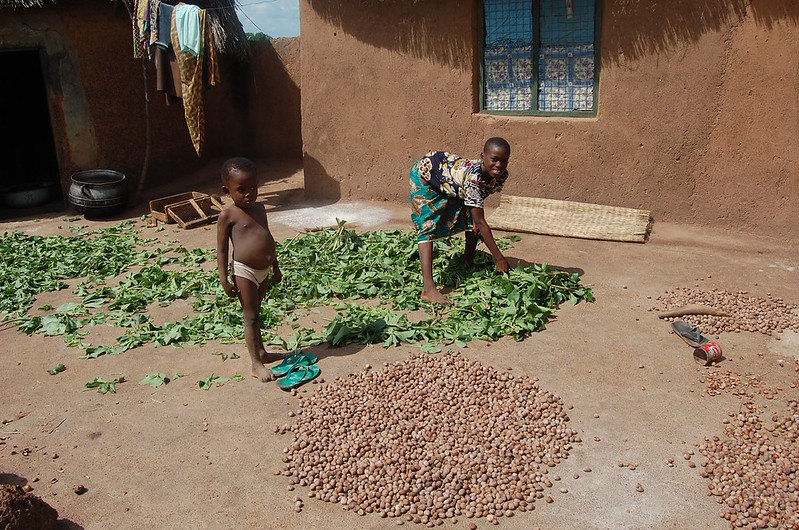 Ghana is a West African nation with Côte d’Ivoire to its west, Burkina Faso to its north, Togo to its east and the Atlantic Ocean to its south. Ghana is a low-income state, and children are particularly affected by poverty. According to the United Nations Children’s Fund (UNICEF), three-quarters of Ghanaian children are deprived in at least three dimensions of poverty. Al-Ayn is an organization that works with children across the world to bring them out of poverty and has recently started working in Ghana. It addresses poverty in a multidimensional sense, focusing on numerous areas rather than just income.
How Poverty Affects Children in Ghana
- Health. In Ghana, one in 17 children do not survive to adulthood. This is largely due to disease and malnutrition, facilitated by overburdened and ineffective infrastructure. In 2018, 97.4% of children under five years old who were malnourished were classed as underweight, wasting or stunted. This shows that food security is a problem for young children. Alongside malnutrition, child labor has a negative effect on children’s health. More than 20% of children between 5 and 17 years old engage in child labor, mostly in the cocoa business where they are exposed to dangerous chemicals such as mercury.
- Education. Education is important for Ghanaian children because it can allow them to pull themselves out of poverty in adulthood. However, Ghana’s rapid population growth has caused significant overcrowding in classrooms, limiting the effectiveness of education. Ghana’s literacy rate is around 80%, which is high compared to other African countries, but only 47% of Ghanaian children complete lower secondary education. Although primary education and, to an extent, secondary education are both free, major inequality remains.
- Housing and Sanitation. Living conditions are closely linked to both health and education for children in Ghana. Many impoverished children live in unhygienic and sometimes dangerous conditions. Lack of clean drinking water causes the spread of diseases such as cholera and various parasitic infections. Beyond the immediate effects of disease, this also disrupts children’s education. Unreliable housing and sanitation negatively affect children later in life, stunting immune system growth and impeding development.
The Impacts of Al-Ayn
Al-Ayn is a nongovernmental organization that has worked with children, particularly orphans, around the world who are living in poverty. It focuses on these children because they are among the most vulnerable members of society. Al-Ayn was influential in Iraq, helping more than 170,000 orphaned children gain access to housing, education and health care.
Al-Ayn has been tackling child poverty in Ghana since 2021. Its focus is on the multidimensional nature of poverty, addressing it from multiple angles. Al-Ayn focuses on health care, education, housing and sanitation. Although separate, these areas are closely linked and work together to improve the environment in which impoverished children grow up.
Al-Ayn is largely a boots-on-the-ground organization, directly involving itself with orphaned children in particular. As of 2023, more than 160 orphans in Ghana have been supported by Al-Ayn through safe housing and sanitation, reliable health care and effective education. Another important way Al-Ayn has been helping children and families in Ghana is by assisting them in obtaining legal documentation. This gives them a better chance of receiving education, health care and employment. Legal documentation also makes children and families eligible for government programs, which can help lift them out of poverty.
Looking Ahead
Child poverty in Ghana is a national problem that affects millions of children across the country. However, Al-Ayn’s work offers reason for optimism. Its multidimensional approach, combined with its continued commitment, is helping improve the lives of children in Ghana.
– Oliver Evans
Oliver is based in Devon, UK and focuses on Good News for The Borgen Project.
Photo: Flickr
