Poverty, Fragility and the Rule of Law in Cuba
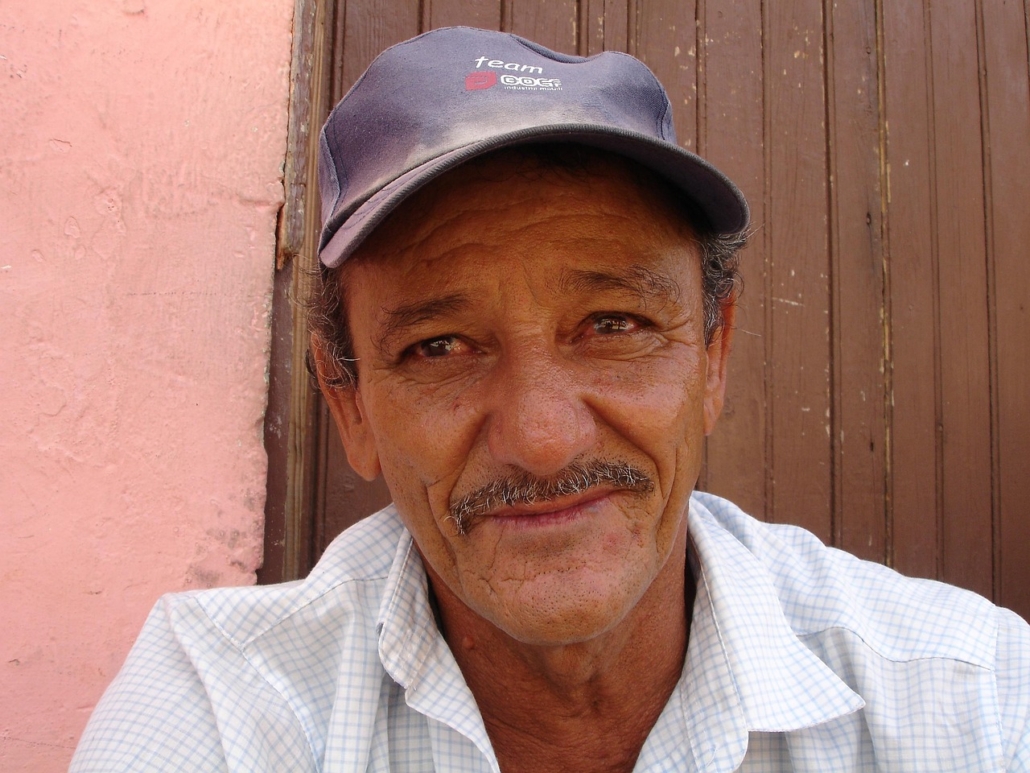 People have always seen Cuba putting the most vulnerable first. Cuba aimed to achieve a state with no poverty, no unemployment, full literacy, strong education and strong health care. In other words, Cuba aims to be a successful socialist state. However, the socio-economic situation in Cuba today presents an entirely different picture. Today, Cuba is one of the poorest countries in the world with only 1.5% GDP growth between 2016-18, well below the 5% growth needed for sustainable development. The social services system has deteriorated and the employed are not working jobs where they could be most efficient. These factors have all contributed to increased levels of poverty in Cuba. Here is information about fragility and the rule of law in Cuba and how it relates to poverty.
Fragile Rule of Law in Cuba
Fragility of law has contributed significantly to poverty in Cuba. Cuba has high levels of corruption. Systemic failures in enforcing laws ensure that essential resources never reach the people. A lack of transparency has led to people not having any legal recourse to ensure better living and working conditions. The Cuban government also requires any aid coming from international organizations to go through the state agency in charge and work with local actors connected to the state. Therefore, in actuality, international organizations have very little control over how the aid provided is utilized or even where it is allocated. Weak rule of law and limited institutional capacity mean that vulnerable groups (women, people with HIV and the elderly) continue to face stigma and lack equal access to services
Poor Governance and Food Security in Cuba
However, a more pressing issue is bad governance. Poor fiscal policies have led to anemic economic growth and in the last two years the economy contracted from 1.8% in 2022 to -1.9% in 2023.
This contraction is far below the 5% needed for sustainable growth and to create the income needed for the government to provide basic services to the people. Cuba, according to the World Food Program (WHO), spends at least $1.7 billion annually on food imports. This is an increase from $1 billion of food imports in 2017. Weak enforcement of agricultural policies and poor incentives for producers contribute to persistent shortages. It is clear that the needs of the people are not being met. Severe food shortages have led people to rely more on income from outside sources other than the government such as dealing and working on the black market, remittances from outside aid or community networks.
Efforts To Address Poverty
However, there is some hope. Despite restrictions from the Cuban government, organizations such as the World Food Program (WFP) are having some success in providing aid to fight poverty. The WFP has implemented food security programs such as school feeding programs, nutrition education and training for farmers. It also collaborated with local authorities to enhance food systems and social protection mechanisms. These programs have had a noticeable impact on food security in Cuba. The WFP has managed to provide aid to more than 1.3 million people in Cuba through such programs.
Looking Ahead
According to a report by the Cuban Observatory of Human Rights, more than 89% of the Cuban population live in extreme poverty. There is severe inequality, corruption and a lack of basic services that not only increase poverty but sustain it. While there has been some success, without a strong change in policies and an increase in effective governance, the situation is not likely to change. In the end, addressing fragility and the rule of law in Cuba is essential for reducing poverty and ensuring a more equitable future for its citizens.
– Akash Ramaswamy
Akash is based in Mississauga, Ontario, Canada and focuses on Politics for The Borgen Project.
Photo: Pixabay
