Addressing Belize’s Gender Wage Gap
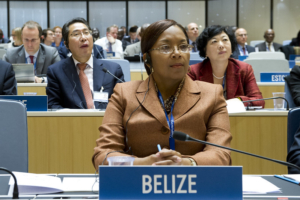 Belize is a Central American country rich in natural resources such as raw sugar, mangoes, bananas, oranges and seafood. The country is famous for its island resorts, beautiful beaches and exotic marine life. Its multiracial population includes people of Garifuna, Mayan, Spanish, Creole and European descent. Tourism has been booming in towns and cities such as Stann Creek, San Pedro, Placencia and Belmopan, rising by 11.8% over the past year and bringing in revenue to the country of about 417,000 people. While the small Central American nation attracts tourists from around the world, native Belizeans continue to face challenges such as rural poverty and gender-based wage disparities.
Belize’s Multidimensional Poverty
Belize has a high poverty rate, with 42% of the general population living in poverty. Belizean men are more likely to experience multidimensional poverty at 24%, compared to 19% among women. Large Belizean households with more than seven family members are also more likely to be affected by poverty.
Reports from the Statistical Institute of Belize (SIB) in September 2024 showed that the multidimensional poverty rate fell to 22.1%, compared to 26.4% in 2023. The decrease reflects improvements in areas such as sanitation and Internet access across both urban and rural communities.
Child poverty remains above 50%, with many Belizean children experiencing multidimensional poverty, which includes a lack of basic needs and resources. Expanding social protection programs for Belizean youth and women is essential, as violent crime and gender-based violence continue to pose significant challenges.
Belize’s Gender Wage Gap
Women make up more than 50% of Belize’s population, yet remain underrepresented in the labor force. As of April 2025, the unemployment rate in Belize was 2.1%. For women, it stood at 3.3%, compared to 1.3% for men. Although unemployment is low, Belize’s gender wage gap persists. The Statistical Institute of Belize (SIB) reported in 2021 that the average monthly income for Belizeans was $1,498, but women earned an average of $1,116. Belizean women earn about 24% less than men. Many young Belizean women also work part-time.
The hourly minimum wage is $3.30 Belize dollars (BZD). Since two BZD equal one U.S. dollar, banks, businesses and residents often use both currencies interchangeably. However, the reliance on foreign currency increases the cost of everyday goods for Belizeans.
Belizean men make up nearly 60% of the workforce while women make up the remaining 40%. Men work more physically demanding jobs such as construction, fishing and farming. Belizean women typically work in the medical field, tourism, clothing industry, nonprofits, arts, teaching or are self-employed. However, not all Belizean women are able to access employment opportunities. Women in particular have fewer work opportunities due to barriers such as family care and household duties. One of the leading factors behind the gender wage gap is discrimination against women and girls.
Government Intervention
The Belizean government signed into law the Convention on the Elimination of All Forms of Discrimination Against Women (CEDAW) in 1990. The law seeks to eliminate discrimination against women and girls and establishes standards and principles for their civil and social rights. Nonprofit organizations such as PathLight International and the Belize Education Project have added to this progress, empowering young women to achieve their academic dreams and lifelong goals.
Belizean women have become more educated than men as the education system has improved; however, there is still more progress to be made. In higher education, 9% of Belizean women over 25 have attained a bachelor’s degree, while men are at 7%. In tertiary education, 29% of young women graduate compared to 17% of men. Despite this, they are not selected as often in the job market after graduation. Government agencies such as the National Women’s Commission contribute to the welfare of Belizean women and support their right to pursue better education and employment opportunities.
Looking Ahead
While there has been notable progress since the passage of the CEDAW law, closing the gender wage gap in Belize requires systemic change in both culture and education. Continued improvements in the education system, increased investment in rural towns and cities, expanded job opportunities, and stronger advocacy for gender equality and social upliftment could help narrow the gap. In addition, improving the quality of life for Belizeans will require strengthening the health care system with modern technology, ensuring food security, enhancing sanitation and reducing violent crime and domestic violence.
– Gene A. Lambey, Jr.
Gene is based in Washington D.C., USA and focuses on Good News and Global Health for The Borgen Project.
Photo: Flickr
