South-East Ladies Agro Collective: Making a Difference
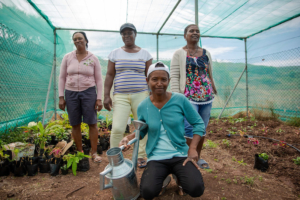 Mauritius is still recovering from a 2020 oil spill in the Indian Ocean, an accident that has been disastrous for its environment and economy. However, some of its citizens are finding creative ways to help with recovery. A group of women has banded together to create a community of farmers to help feed their families.
This is how South-East Ladies Agro Collective was formed and how it exemplifies the importance of community action in politics.
The MV Wakashio Oil Spill
In 2020, the MV Wakashi, a ship owned by Nagashiki Shipping in Japan, ran aground near the village of Mahebourg in Mauritius. The BBC estimates that 1,000 metric tonnes of oil leaked from the ship and contaminated the nearby waters. Five years later, cleanup is still ongoing.
The oil spill has had various negative effects on Mauritius, most notably on its environment. Mauritius has an extremely diverse and unique ecosystem. According to the BBC, the ocean around Mauritius is one of the most biodiverse places on the planet. This spill has placed this fragile ecosystem in permanent jeopardy.
As the fate of Mauritius’ environment hangs in the balance, the government is left to determine what other issues have arisen from this disaster.
Farming to the Rescue
While environmental concerns are the highest priority, there are several other effects that Mauritius needs to address in the wake of the spill. The spill has also caused significant damage to the local economy, which relies heavily on fishing. With the ocean near Mauritius still heavily tainted by oil, local fishermen cannot fulfill their livelihood. With so many people out of work, the economy was stagnant and many families could not afford basic needs.
The South-East Ladies Agro Collective was founded in Mahébourg, Mauritius, by resident Sandy Monrose to combat this issue. After initially helping with clean-up efforts in the immediate aftermath of the oil spill, she began considering other ways to help her community recover. She requested a land grant from a local farming company, Ferney Ltd. Then she began speaking with other local women to see if they were interested in farming.
As the name implies, the South-East Ladies Agro Collective is primarily composed of women. Its goal is to help feed their village while income remains limited. Beyond farming, the collective also teaches residents the basics of agriculture. Active for about a year and thanks to the hard work of Monrose and her team, it has been a massive success. The group currently has 10 members who can feed their families and grow enough to sell their products on the side.
What Can We Learn?
Mauritius’ example shows us how essential community organizing is to making a better world and how much of a difference one person can make. Monrose saw a problem and instead of despairing, came up with a unique and innovative solution to her community’s issues and even got her fellow citizens involved.
The rise of South-East Ladies Agro also demonstrates how interconnected political issues can be. Farming and oil spill cleanup may seem unrelated, but Monrose’s example shows how one can directly affect the other. This is why out-of-the-box thinking is essential for political action. Activists can easily miss less obvious issues like this if they cannot conceive of unique angles of political issues.
Mauritius is still struggling with the aftermath of the MV Wakashio oil spill. However, every little bit helps and organizations like South-East Ladies Agro are a positive step toward community political engagement. With more efforts like this and more collaboration between citizens and their government, lasting changes can be made not just in Mauritius, but worldwide.
– Thaddeus Konieczny
Thaddeus is based in Williamston, MI, USA and focuses on Good News and Politics for The Borgen Project.
Photo: Flickr
