Free Schooling in Sierra Leone Is Keeping Girls in Class
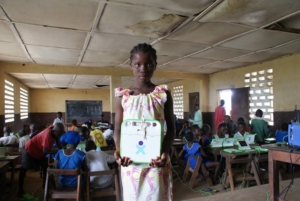 Free schooling in Sierra Leone began in 2018 and is removing cost barriers so more girls can enroll and stay in school. By abolishing tuition and admission fees in government-approved schools, the Free Quality School Education (FQSE) program makes classrooms more accessible for low-income families.
How Free Schooling in Sierra Leone Works
Launched in August 2018, FQSE covers admission and tuition for primary through senior secondary in government-approved schools. The Ministry of Basic and Senior Secondary Education (MBSSE) implemented FQSE alongside a World Bank–supported Free Education Project that strengthens system management, teaching practices and learning conditions.
To reduce the everyday barriers that keep girls home, the government and its partners are expanding school meals and other support. In 2023, WFP provided meals to 238,000 pupils in five districts and expanded its home-grown school feeding from 28,000 to 53,000 in early 2024.
The Ministry of Finance has also transferred funds to local councils to operate FQSE school bus services, easing family transport costs. Budget documents further note resources for school feeding and hygiene pads for girls to support attendance.
What’s Changing for Girls
Enrollment has surged since FQSE. UNICEF’s 2024 Situation Analysis reports a 58% increase in enrollment across all levels since the program began. By 2022, gross enrollment rates (GER) were high across primary (157%), junior secondary (106%) and senior secondary (86%). Girls’ GER was higher than boys’ at all levels—a sign that policy shifts are bringing girls into classrooms.
Completion and transition rates are improving. UNICEF reports current completion levels of 64% in primary, 44% in junior secondary and 22% in senior secondary—baseline figures that FQSE and allied programs aim to raise.
Keeping girls in school also means putting enough trained adults before each class. The 2023 and 2024 Annual School Censuses counted 90,073 and 91,224 teachers, respectively (78,325 in public schools in 2024), reflecting growth in the workforce. Furthermore, the World Bank-supported reforms are making teacher deployment more evidence-based, guiding where new hires go to reduce overcrowding.
After lifting its ban on visibly pregnant girls attending school, Sierra Leone took a major step toward expanding access to education. It adopted a National Policy on Radical Inclusion in Schools to ensure marginalized learners—pregnant girls, young mothers and children with disabilities—remain in class.
Why This Adds Up
Free schooling in Sierra Leone is removing fees, feeding students, getting them to school and staffing classrooms—the mix that keeps girls learning. Indeed, with enrollment surging and girls’ participation now meeting or exceeding boys’, the next step is turning time in school into strong learning outcomes through continued teacher support and inclusive policies. Ultimately, free schooling in Sierra Leone keeps girls in class today, positioning them for better jobs and incomes tomorrow.
– Riddhi Sharma
Riddhi is based in Richmond, BC, Canada and focuses on Good News for The Borgen Project.
Photo: Flickr
