Women’s Economic Empowerment in Iran
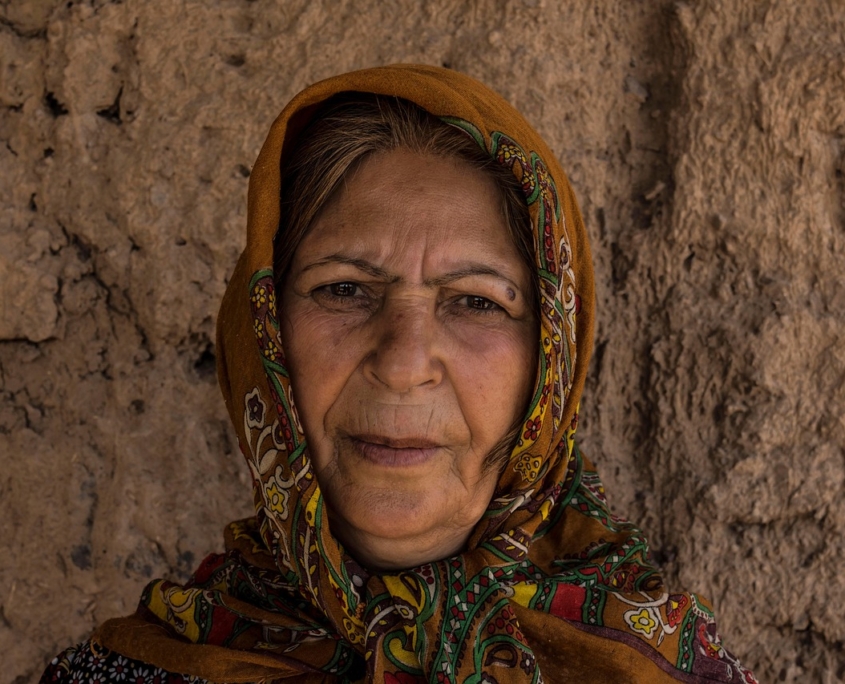 In Mashhad, Iran, Fatemeh, a single mother, lost her job during the pandemic and feared she could no longer support her two children. In 2024, she enrolled in a tailoring and legal literacy program at the Atena Women Life Quality Improvement Institute. With a microgrant, she opened a home-based tailoring business that now employs fellow women from her community. Fatemeh’s story reflects a broader movement of women’s economic empowerment in Iran—where grassroots organizations are equipping women with the tools to achieve economic independence through training, legal education and inclusive programs.
Local NGOs Lead the Way
Founded in Tehran in 2013, Atena supports more than 200 families annually. The organization offers training in entrepreneurship, legal rights and mental health counselling to marginalized women, including survivors of domestic violence and women with disabilities. The Bahá’í Institute for Higher Education (BIHE) began in 1987 when Bahá’í students were legally barred from Iranian universities.
As of 2025, it offers undergraduate and graduate programs through home-based classes and online platforms, providing educational opportunities to Bahá’í women otherwise excluded from public institutions. BIHE has earned international recognition for offering training in business, health care and IT to marginalized students across the country.
Economic Skills and Legal Empowerment
Atena provides small grants to women launching microenterprises and holds workshops on inheritance, alimony and child support rights. These legal literacy efforts empower women to claim their entitlements under Iranian law. BIHE graduates like Zahra, who studied graphic design, have been able to build home-based businesses, support their families and expand professional opportunities despite systemic barriers.
In Gilan Province, disability activist and artist Mitra Farazandeh leads programs that help women with disabilities earn a living by selling handmade art. She promotes visibility and economic empowerment through crafts and storytelling.
Overcoming Legal and Political Barriers
Bahá’í students face ongoing arrests and academic exclusion, with Iranian authorities repeatedly raiding BIHE homes, seizing materials and jailing educators. Despite this, BIHE has trained thousands of women over the past three decades, some of whom have earned graduate degrees abroad. Atena operates under close legal scrutiny, coordinating with local social welfare agencies to maintain its license and ensure continued support to vulnerable women.
Atena reports that more than 68% of its graduates increase household income by at least 30% within one year of program completion. BIHE has educated more than 1,000 Bahá’í women since its founding, creating pathways to meaningful work despite systemic exclusion. Farazandeh’s work in disability-led crafts has enabled women to earn income and raise visibility for marginalized artists.
A Path Toward Resilience
By combining vocational training, legal rights education and community support, grassroots organizations like Atena, BIHE and local disability advocates show that women’s economic empowerment in Iran is not only possible but already underway. With greater international support, these models can potentially scale and help even more women build a path out of poverty.
– Meral Ciplak
Meral is based in Edmonton, Canada and focuses on Good News for The Borgen Project.
Photo: Pixabay
