How African Countries Combat Poverty by Banning Mineral Exports
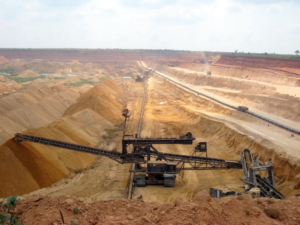 Rare minerals and metals are in high demand nowadays for several products; they are key to making rechargeable batteries in laptops, mobile phones and other devices. According to a report from Thomson Reuters, they’re also used for rechargeable batteries in electric cars, which could make up all new cars sold by the year 2040. According to Precedence Research, the rare earth metal market is worth about $3.75 billion and could rise to as high as $9.91 billion by 2034.
Africa’s Ban on Mineral Exports
These minerals have been growing in demand in recent years, according to the World Trade Organization:
- Lithium
- Cobalt
- Nickel
- Copper
- Aluminum
- Palladium
Many of these minerals are mined in Africa, though unfortunately, much of the populations in those countries live in poverty. The Democratic Republic of the Congo, for example, supplies 57% of the world’s cobalt, 70% of the world’s coltan and 20% of the world’s diamonds. However, nearly 72% of the population lives in poverty.
African nations want to refine the rare minerals and metals they mine domestically to better capitalize on their natural resources and fight poverty. They hope refining these resources, which is primarily done overseas, can bring economic development. To accomplish this, many African nations ban mineral exports to pressure mining companies to build domestic mineral processing plants.
For those 54 countries, it could bring economic development and jobs to Africa. Zimbabwe’s mines ministry, for example, is pressuring foreign investors to increase spending from $70 million to $600 million; the Sinomine Resource Group, a Chinese mining company, is already investing $300 million in a lithium-processing plant there.
These policies in other countries have had similar success in banning mineral exports. In 2020, for example, Indonesia banned the exportation of unprocessed nickel. Now, after securing significant investments from China, it dominates nickel production.
African Nations Banning Mineral Exports
- Guinea
- Uganda
- Namibia
- Gabon
Potential Impacts
Currently, most jobs in Africa’s rare minerals and metals sector are in mining, a field known for its hazards. In Nigeria, lithium mines employ children as young as 6 years, where they are exposed to dangerous dust that can cause asthma. If rare mineral processing were to stay in the continent, African countries could use the revenues to ensure safe mining practices.
This increase in foreign investment can also strengthen the workforce of African countries. About 80% of young Africans aspire to have high-skilled jobs. However, only 8% can get them due to a lack of such jobs and training to prepare workers for these jobs.
Conclusion
If African nations secure foreign investment in mineral refinement, citizens can gain access to better-paying, skilled jobs. By capitalizing on their massive deposits of natural resources, which are becoming increasingly valuable with time, African countries can further reduce poverty for their citizens.
– Seth Pintar
Seth is based in La Jolla, CA, USA and focuses on Business and Politics for The Borgen Project.
Photo: Wikimedia Commons
