Conflict and Addressing Poverty in the DRC
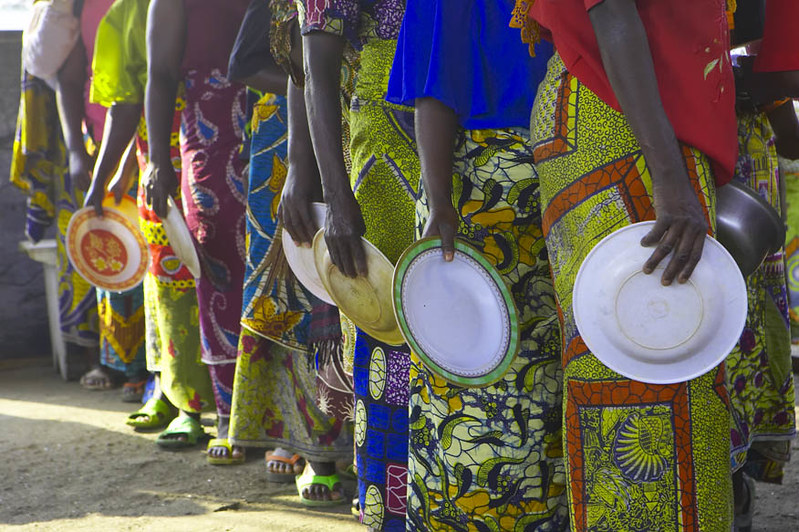 The Democratic Republic of the Congo (DRC) ranks among the poorest countries in the world. Decades of armed conflict have worsened poverty despite the nation’s wealth in natural resources. According to the United Nations Development Programme (UNDP), more than 70% of people in the country live in poverty. Long-running armed conflict, displacement and limited access to essential services have deepened humanitarian needs and slowed development efforts.
Decades of Conflict and Instability
Since the mid-1990s, the DRC has experienced near-continuous violence. The First Congo War began in 1996, followed by the Second Congo War in 1998, which involved multiple neighboring countries. While formal hostilities ended in 2003, armed groups continue to operate in eastern provinces such as North Kivu, Ituri and South Kivu.
Recent updates from the International Crisis Group highlight a resurgence in violence by the M23 rebel group and other militias. According to the United Nations Office for the Coordination of Humanitarian Affairs (OCHA), more than 20 million people are in need of humanitarian aid in the DRC, with many in this situation for multiple years. Human Rights Watch reported in June 2025 that the M23 has forcibly transferred civilians and targeted local populations, worsening instability in North Kivu.
Poverty Deepens as Communities Are Displaced
Displacement due to violence has had severe economic consequences. The World Bank notes that instability has made it difficult for people to maintain steady incomes or access critical services such as education, health care and clean water. In rural areas, insecurity prevents farmers from cultivating land, disrupting food production and increasing hunger. The World Food Programme (WFP) estimates that around 28 million people in the DRC currently face crisis or emergency levels of food insecurity.
In areas like North Kivu, attacks on communities have forced families to abandon farms, livestock and livelihoods. The United Nations Children’s Fund (UNICEF) reports that more than 1 million people have been displaced. Conflict also weakens infrastructure and governance. In its latest country overview, the World Bank stated that public investments are limited, with many road networks and hospitals either damaged or inaccessible. Corruption and lack of coordination further slow efforts to rebuild after conflicts.
Organizations Working Toward Solutions
Despite immense challenges, several humanitarian and development organizations are making progress in addressing poverty in the DRC. These initiatives focus on long-term recovery, livelihood development and local empowerment. Concern Worldwide has been operating in the DRC since 1994.
In recent years, it has implemented community-based programs in Tanganyika and North Kivu provinces. These efforts combine emergency nutrition support with clean water access, agricultural training and local peacebuilding. According to Concern Worldwide, its 2023 program has supported more than 100,000 people, helping communities recover from displacement and return to farming.
- FINCA. FINCA Democratic Republic of Congo offers small-scale financial services that help low-income entrepreneurs start and expand businesses. Operating since 2003, FINCA provides loans, savings accounts and digital banking tools across all 11 provinces. By the end of 2022, FINCA had served more than 1.2 million clients in the DRC, with 70% of loan recipients being women. These services help individuals gain income stability, especially in areas underserved by traditional banks.
- Oxfam International. Oxfam’s response in the DRC focuses on both emergency relief and addressing the structural causes of poverty. In 2023, the organization provided safe drinking water, food assistance and hygiene support to at least 600,000 people. Oxfam also works with local leaders to strengthen women’s participation in peacebuilding and development planning, ensuring that aid is inclusive and sustainable.
- UNDP. The UNDP is also supporting long-term strategies to reduce poverty in conflict-affected regions. In a 2023 field initiative, UNDP trained youth in solar energy installation and supported the rehabilitation of health clinics in Kasai Province. Its programs also promote job creation and digital access, particularly for young people and women. By March 2024, these projects had already directly benefited more than 50,000 people.
Looking Ahead
Although the challenges are substantial, progress is underway. Local communities are increasingly involved in shaping solutions. Cash-transfer programs led by UNICEF in 2024 reached 14,000 vulnerable children and their families, allowing them to access food, clothing and shelter during emergencies. These interventions not only meet urgent needs but also build trust and agency within communities.
Addressing poverty in the DRC requires both humanitarian aid and long-term development strategies. By combining financial access, local governance support and community-driven recovery, organizations are helping the Congolese population rebuild from decades of disruption. As these programs expand and receive sustained support, more families will gain access to income, education and stability, which are vital tools for escaping the cycle of poverty.
– Charlie Wood
Charlie is based in West Yorkshire, UK and focuses on Global Health for The Borgen Project.
Photo: Flickr
