Drones Reducing Tuberculosis in Nepal
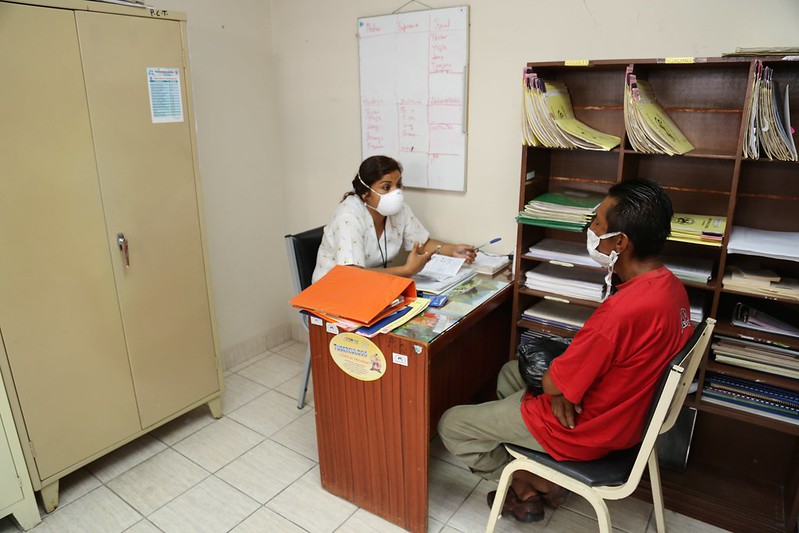 Tuberculosis has long affected rural nations across the globe, but the crisis in Nepal is particularly concerning. In 2023, 68,000 people in the country had tuberculosis, nearly a third of whom died. Tuberculosis also remains among the top five causes of death in Nepal. Exacerbated by limited access to medical treatment and high transmission rates, the disease continues to pose a serious threat. However, new technologies—including drones—offer potential solutions that could transform health care delivery in Nepal and beyond.
A Persistent Threat in Nepal
Tuberculosis is a serious infectious bacterial disease that spreads through coughs and sneezes. When detected and treated early, it is both preventable and curable. However, geographic and economic barriers make tuberculosis more difficult to manage in Nepal. Approximately 50% of Nepalis must travel between six and eight hours to reach a health care facility. It is the isolation and lack of infrastructure in the rural regions, where 80% of Nepalis reside, that deepens the inaccessibility of medical care. With these roadblocks, fewer citizens actively seek out care and the diagnosis of tuberculosis is consistently delayed. As a result, almost 70% of Nepalis are carriers of the disease and may face serious consequences in the future.
The Danger of Delayed Treatment
Once exposed to tuberculosis, it is important to seek out medical care quickly to begin treatment and prevent the spread of this potentially deadly disease. However, because seeking medical treatment in Nepal is such a burden, many seek it out very infrequently or not at all. The longer people wait to seek tuberculosis treatment, the more serious the illness can become. By waiting for an official diagnosis and treatment, they risk increased rates of community transmission and potential health issues. This transmission and these complications have led to significant economic decline. Many become bedridden or unable to work as a result of the disease, leading to increased poverty rates. Telemedicine, however, is making notable progress. Organizations have begun using drones to diagnose and treat tuberculosis patients more efficiently.
Using Drones to Fight Tuberculosis in Nepal
A number of institutions, including WeRobotics, Stony Brook University and Nepal Flying Labs, have been utilizing cargo drones to combat tuberculosis in Nepal. These drones collect samples from individuals suspected of having tuberculosis and deliver them for testing. The same drones also help administer treatment. Tuberculosis treatment often spans several months, making it difficult for patients in remote areas to complete. However, with the support of these drones, a technology known as e-DOTS can facilitate therapy remotely.
Building Toward Health Equity
The efforts made by these international organizations are enabling tuberculosis diagnosis and treatment. Technology like these drones is not only helping to reduce the prevalence of tuberculosis, but also represents a step toward bringing medical care to rural areas in need. Telemedicine is actively empowering rural communities by providing access to timely care. So far, these drones have tested more than 700 people in rural Nepali communities. It is the hope of many that technology like this will continue to cross borders and support international poverty reduction.
– Caroline May
Caroline is based in Denver, CO, USA and focuses on Good News and Technology for The Borgen Project.
Photo: Flickr
