Renewable Energy: Improving the Health Care System in Haiti?
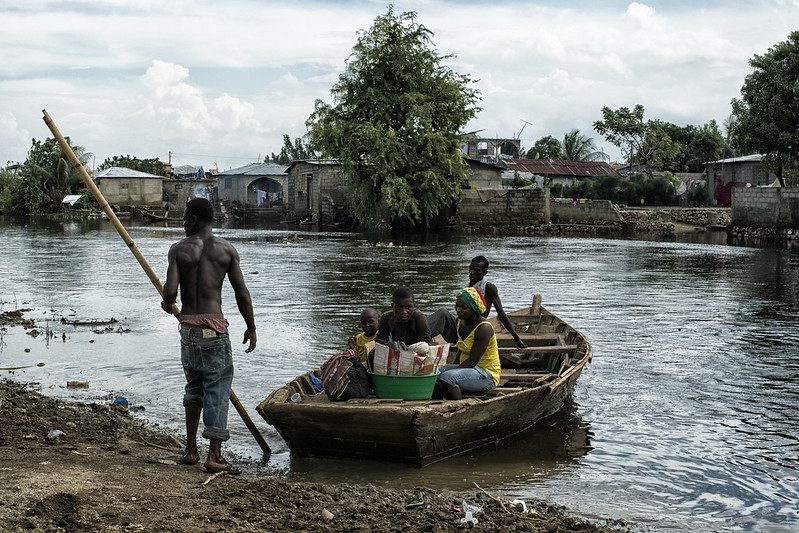 Between the unstable political economy and repeated destruction left by climate disasters, around 50% of Haitians lack consistent access to electricity. This impacts not only individuals’ homes and livelihoods, but also the health care system in Haiti. Renewable energy has become the solution to this problem of healthcare access in Haiti as Justinien University Hospital stands out as a success story in renewable energy use.
Thanks to its location in the center of Cap-Haitien in Northern Haiti and available services, Justinien University Hospital is one of the largest public hospitals in the country. The hospital is also the second-largest teaching hospital in Haiti. Justinien University Hospital serves a population of more than 1 million in the surrounding area of northern Haiti
Renewable Energy Use at Justinien University Hospital
Beginning in 2024, Justinien University Hospital has been transitioning to a renewable energy model to power their medical facilities. As of May 2025, 60% to 75% of daily energy needs within the hospital are supplied by renewable sources. Justinien University Hospital used to rely heavily on diesel generators for power. As an administrator commented to a World Bank reporter, “We used to buy 120 gallons of diesel every day, which would cost nearly $22,000 per month. The installation of the renewable energy system has allowed us to reduce our dependence on fossil fuels by more than 60%. Now, we reallocate these funds to other services and improve the quality of care offered.”
Hospitals Turning to Solar Energy
In addition to Justinien University Hospital, the Ministries of Health and Public Works of Haiti, the United Nations Office of Project Services (UNOPS) and the World Bank have come together to implement renewable energy in five hospitals across Haiti. These hospitals have implemented a solar photovoltaic and battery storage system that provides a clean and reliable energy system to their medical facilities. Because of the quantity and reach of hospitals that have implemented this energy model, more than 1.5 million people could benefit, according to the World Bank. This increased energy security for medical facilities means a revolutionary increase in access to healthcare within Haiti
The Future
Access to energy is an ongoing issue in Haiti. Political upheaval and the impact of natural disasters, such as hurricanes, leave the country struggling to establish a widespread power grid. Despite the United Nations Sustainable Energy for All initiative aiming to provide universal energy access by 2023, there is still a long way to go within some Caribbean nations
Several sectors feel the impacts of this, but none so dire as the health care system in Haiti. In recent years, however, the Haitian government, along with several NGOs, has initiated the implementation of renewable energy sources in hospitals across Haiti. This has significantly improved healthcare access in Haiti, cutting hospital operating costs, making services more consistently available, and expanding the reach of the hospital within the local community.
– Gwyneth Connor
Gwyneth is based in Kensington, MD, USA and focuses on Global Health for The Borgen Project.
Photo: Flickr
