Palliative Peace: Cancer Patients in Syria
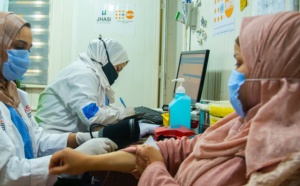 The consequences of war are immense; it impacts every aspect of life, from transportation to crop cultivation and the ash and smoke of conflict taints everything. Countrysides are ravaged, cities are turned to rubble and families are displaced, but all that is widely known; however, what is not frequently discussed is the systematic harm.
For 13 years, Syria was plagued by a violent civil war and during this time, people who had cancer found themselves in a precarious situation. Oncology institutions suffered from scarce supplies, staff and necessary medical equipment. Even in the developed world, cancer remains a prominent reason for mortality. With conflict, this issue is exacerbated and worsened.
Challenges
War affects every aspect of ontology care. For one, the ability of patients to continue financing treatment is hindered. Despite the abundance of humanitarian assistance and aid programs, many Syrians experience severe financial distress, with social support, medical insurance frameworks and affordable treatment being conspicuously absent. This burden results in treatment costs exceeding 40% of a household’s capacity to pay. However, this matter is intensified by the number of internally displaced persons living in the territories of the Idleb and Aleppo governorates. It is a structural predicament, derived from the base of all institutions being shaken by the roar of artillery.
It’s not just patients who suffer; the oncology institutions are also affected. Supplies are limited due to the logistical challenges caused by the conflict. Most advanced oncology centers are concentrated in major cities, making it extremely difficult for people in other parts of the country to access essential care. The Al-Bayrouni center in Damascus is responsible for a significant portion of care; further, such an institution is the only location in the country able to address thyroid care. Uncommon cancers can only be treated in specialized departments, which are only present in specified localities.
Confounding factors, such as cost, location and scarcity, combine to worsen the effects of cancer. These barriers prevent patients from accessing essential palliative care, allowing the disease to progress unchecked. As a result, mortality rates rise, with early-stage cancers advancing rapidly to more severe stages. Between 2019 and 2022, 61% of cancer patients in Syria were stage III or above at diagnosis, which exemplifies the issue. Even at the conception of care, the ailment is too far developed for adequate and affordable remedies, making the process easy to ameliorate.
Solutions and Aftermath
The abdication of Bashar Al-Assad has induced a dramatic shift in the domestic conditions of Syria. The underlying conditions for many of the present maledictions abated with the presence of the new administration. The newfound peace rectifies issues derived from logistical limitations; roads no longer carry the burden of armed militants and paramilitary organizations, which means that both individuals can travel with relative ease and supplies can be rendered more efficiently.
In an important administrative step, the debt of Syria has been paid for by the Gulf States, thereby allowing for additional loans from the World Bank. This exciting opportunity heralds the possibility for the revitalization of infrastructure, such as medical institutions, roads and state-sponsored welfare programs. The creation of a robust framework is not possible and, in topological terminology, a base capable of holding additional structures is now present.
If these corrections are implemented, the people of Syria will benefit greatly. Tangible societal changes could make medical care in Syria more affordable, reducing mortality rates and giving low-income populations access to essential cancer treatment. Affordable health care is a cornerstone for survival; it creates a healthier, more productive population capable of working, saving and contributing to the economy. As the conflict subsides, medical institutions could be revitalized through international support, domestic stability and strengthened oncology infrastructure.
Conclusion
Many of the challenges rooted in the conflict may begin to ease as a transitional state takes shape, fostering a fragile but hopeful peace. This shift will directly benefit people with low incomes, who will gain access to a developing market capable of meeting critical health care needs. Additionally, the rate of brain drain is likely to fall, allowing for a stable labor force. A new horizon is emerging, with a bright future dawning over a land once shrouded in darkness.
– Jackson Hufman
Jackson is based in Glenwood, MD, USA and focuses on Good News and Politics for The Borgen Project.
Photo: Flickr
