Reducing Maternal Mortality in Nigeria: The Abiye Project
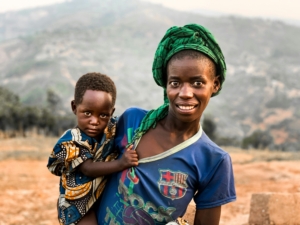 Nigeria has around 2% of the world’s population, but accounts for nearly 10% of global maternal deaths. In 2008, the Nigeria Demographic and Health Survey (NDHS) identified Ondo State in southwestern Nigeria as one of the country’s most affected regions. At that time, Ondo State’s maternal mortality ratio (MMR) stood at 765 deaths per 100,000 live births.
In response to these shocking statistics, the Ondo State government launched the Abiye Project, meaning “Safe Motherhood,” in 2009. This program has become a pioneering initiative for reducing maternal mortality in Nigeria. The project is reducing maternal deaths by overhauling health care infrastructure, developing community-based services and eliminating financial barriers to maternal care.
Addressing the Four Delays
The Abiye Project was built around addressing the four leading delays responsible for the high rate of maternal deaths in the state:
- Delays in patients recognizing danger signs and deciding to seek care.
- Delays in reaching health facilities due to poor infrastructure, unreliable communication channels and lack of access to transport.
- Delays in accessing proper care due to substandard facilities.
- Delays in referrals to appropriate services in cases of complications or emergencies.
Before the implementation of the program, these delays had a devastating impact: only 16% of women registered at health facilities ended up delivering there, opting instead for far riskier home births.
The Abiye Project Strategies
- Community Health Workers (Health Rangers). Health rangers are mobile health workers trained in basic obstetric care, intensive care and family planning support. Each ranger monitors the health of 25 pregnant women in their community, performing regular home visits and checkups.
- Toll-Free Cellphones. The project provided these to every registered pregnant woman. It ensured free communication with health rangers, other pregnant women and emergency services.
- A New and Improved Transport Fleet. It also provided a fleet of new ambulances suitable for multiple environments. They included motorcycles and speedboats, ensuring reliable transport is available so all pregnant women can access care safely and efficiently.
- Facility and Staffing Improvements. It increased the number of Mother and Child Hospitals from two to seven. The government now trains all birth attendants in emergency obstetric and newborn care. It ensures every hospital and clinic is stocked with essential medical supplies.
- Free Maternal Health Care. It made access to all services related to motherhood and childbirth free of charge at all government hospitals and clinics.
Impact on Maternal Health and Poverty
The results of the Abiye program were both rapid and transformative. Within its first year, antenatal registration surged by an astounding 1,855%, while facility-based deliveries increased by 1,602%.
By 2016, Ondo State’s MMR had dropped to 112 per 100,000, an 84.9% reduction within five years of the project’s inception. This achievement demonstrates how the program’s localized, person-centred strategies are invaluable for reducing maternal mortality in Nigeria.
The Abiye Project also had an impact on poverty levels. In 2022, Ondo State had the lowest poverty level in Nigeria, with around 27% of the population living in poverty, compared to the national average of 63%. These results demonstrate the capabilities of the project’s approach for not only saving lives but also improving the economic stability for all.
Conclusion
The Abiye Project is a powerful case study of how strategic health care interventions and a community-based approach can save lives and reduce poverty. By tackling the four key systemic causes of maternal deaths, it has set a new standard for reducing maternal mortality in Nigeria and beyond.
The project has earned recognition from the World Bank and UNICEF as a model for reform. With the project’s methods continuing to be adapted, the Abiye model has become a flagship in reducing maternal mortality in Nigeria, with the potential to revolutionize maternal care across developing countries.
– Reuben Avis-Anciano
Reuben is based in Oxford, UK and focuses on Good News and Global Health for The Borgen Project.
Photo: Unsplash
