Rising for the Greater Good: Poverty in Liberia
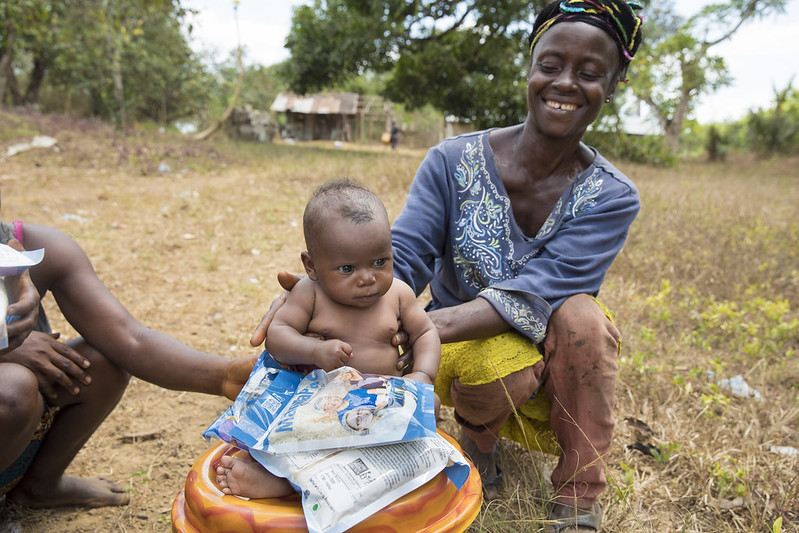 Liberia stood out as one of two African countries that remained independent throughout the European conquest in the 19th and 20th centuries, particularly during the “Scramble for Africa.” Though known for its abundant rainforests, such as the Upper Guinean, Liberia continues to confront challenges. Poverty remains a pervasive issue in the country, affecting millions of people. In the capital, Monrovia, three out of 10 citizens live in struggling conditions. In rural regions, nearly eight out of 10 individuals experience poverty daily.
Poor physical and mental health, often the result of infections and diseases is one of the most problematic factors for disadvantaged communities. Tuberculosis, measles and malaria, among others, remain public health concerns. However, some initiatives have improved health care access in many regions. The average life expectancy rose 1.2 years over the last decade.
Many organizations are working to reduce poverty in the country through action plans and implemented programs. Among them is Mercy Corps, which supports with educational and health access, donations, charitable missions and emergency responses.
Post-War Recovery and Poverty in Liberia
Mercy Corps, a global humanitarian organization, focuses on alleviating poverty in underdeveloped countries like Liberia. The organization establishes communal stability for all families. Nearly 4,300 colleagues under Mercy Corps work together to grant communities first aid assistance and ally with local government officials to create long-term renovations.
Mercy Corps supported Liberia with many recovery efforts after the nation’s 1989-2003 civil war. The civil war marked a period of political unrest between diverse ethnic groups. This caused significant tension between the land and the people. Liberia experienced 14 years of economic recession. Food scarcity was another result of the aftermath. Produce became scarce, affecting 50% of families.
Mercy Corps faces challenges in providing aid to large populations but continues working to reach as many families as possible. In a discussion with CEO Micromentor Anita Ramachandran, Mercy Corps’ Executive Director Tjada D’Oyen McKenna shared personal and professional details about her path to joining the organization. She spoke with Ramachandran, stating, “…our work is now more necessary than it ever was.” She explained that while some populations will always be affected by natural disasters, the ongoing challenge is to “remind people…that there are more vulnerable [communities] deserving of our support.”
Economic Progress
Mercy Corps is dedicated to guiding communities in finding impactful employment opportunities by linking them with private businesses and agencies. The training for these individuals extends beyond basic skills, focusing instead on establishing a foundation in finance and business management. This emphasizes the vital role of technology and digitalization in Liberia’s economic journey. This approach is modeled to help individuals reach their full potential to become creative leaders in all fields of work. As part of this growing development training, Mercy Corps formed a partnership with a nascent tech entrepreneurship space. This joint collaboration provides innovators a unique role in immersing themselves in a real-world experience. This shapes them to drive future economic stability.
Tackling Poverty, Hunger and Education Gaps in Liberia
Food production in Liberia has been dwindling after the country faced numerous challenges, like the aftermath of the Civil War. Almost 25,000 kids are unable to receive adequate meals in schools due to inaccessibility. About 146 schools encounter this issue, leaving children hungry. Many kids retire from school early because they lack the energy to keep going. As the problem worsened, attendance and enrollment rates fell significantly.
Mercy Corps launched the Liberia Empowerment, Attendance, Reading and Nutrition (LEARN) Program in 2021. The goal of the program is to help children living in vulnerable communities. Funded by the U.S. Department of Agriculture and the McGovern-Dole International Food for Education Program, LEARN supplies schools with nutritious meals sourced from local food vendors. LEARN also organizes activities and clubs for children to interact and learn about health outcomes. Some of the clubs the program established include school health and garden clubs. The program’s main objective is to help around 265,830 recipients, with a small portion of that being 85,129 preschoolers in 234 school systems.
Growth and Wellness
Every year, about one-third of Liberian individuals contract malaria, according to the World Health Organization (WHO). The death rate primarily affects small children who suffer not only from malaria but also from pneumonia. Based on the Liberia Institute of Statistics and the Ministry of Health and Social Welfare, the maternal mortality rate in Liberia is one of the highest in the world. The rate is 994 per 100,000 childbirths. Mercy Corps is playing an active role in increasing accessibility to sanitation services to stop the contraction of such infections. The organization works alongside regional systems. Health services based in the United States (U.S.) are spending $52 million to open more medical clinics to reach people residing in rural areas of the country.
Building Self-resilience
Poverty remains detrimental to many nations, including Liberia, particularly in regard to food scarcity and education. So, in response, Mercy Corps’ initiatives have implemented support for children and adults. These plans, along with active health services, improved sterilized water and job training, demonstrate a commitment to resolving pressing issues. Addressing these matters, McKenna says, “…We’ve been reminded of our interconnectedness so much…and we believe them…that one of our core principles…is driving toward a more just world.” Liberia hopes to restore its confidence and better its prospects.
– Janae Bayford
Janae is based in Centennial, CO, USA and focuses on Good News and Global Health for The Borgen Project.
Photo: Flickr
