Migration to Côte d’Ivoire
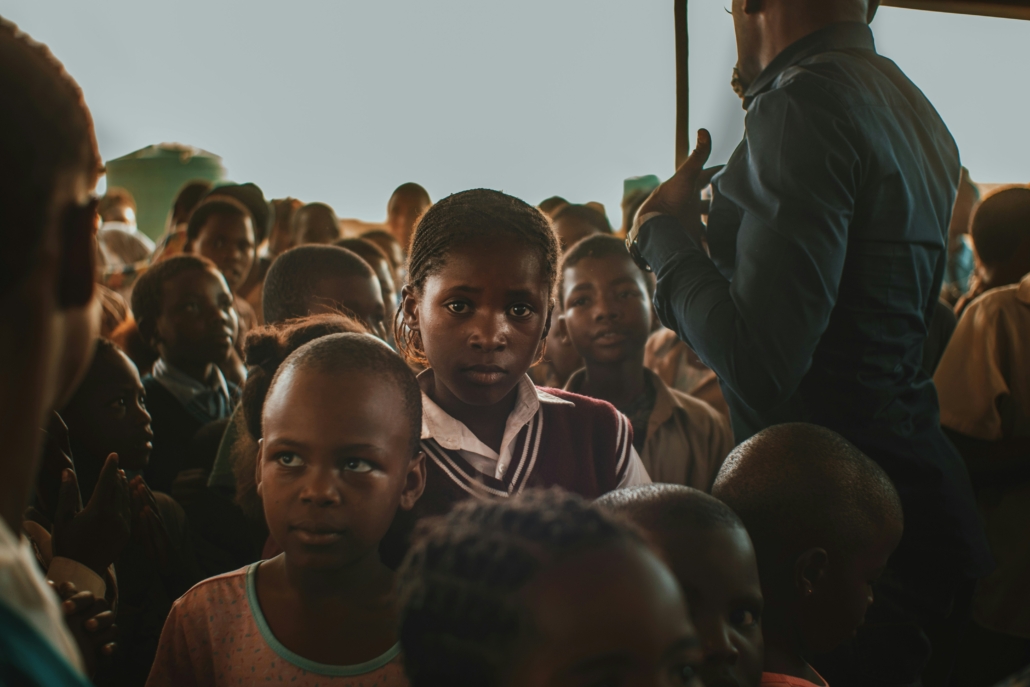 To many people’s surprise, migration in Africa generally consists of people staying within the continent, opting to move across regions instead of across oceans. Located on the Western coast of Africa, Côte d’Ivoire has long been a popular destination for migrants with its lush rainforests and urban center, attracting large groups of people throughout history for various reasons. When looking at the reasons why people are migrating to Côte d’Ivoire today, poverty has become a central factor behind migration to Côte d’Ivoire.
Historically
Côte d’Ivoire was a French Colony until 1960, when the country gained independence and joined the United Nations (UN) in the same year. Since its independence, the country has experienced periods of political instability, however, despite its challenges the country remains resilient, fostering a strong sense of national identity that continually makes it an attractive destination for migrants in Western Africa.
Since gaining independence, Côte d’Ivoire experienced an economic boom encouraging migrants to come from the sub-region, representing the first migration country in the region. This allowed migrants to come in and contribute to the labor force, helping fuel the economic boom.
Côte d’Ivoire is the main migration destination in West Africa and is the second most popular destination on the continent after South Africa, with the country taking in roughly 2.5 million migrants annually constituting just under 10% of their population. Looking more closely at where migrants are coming from, about 90% of migrants coming into Côte d’Ivoire are nationals of the Economic Community of West African States (ECOWAS), with the majority of them coming from Burkina Faso.
Why Côte d’Ivoire?
There are numerous reasons why people migrate to Côte d’Ivoire with the most popular being economical with the country offering better business and job opportunities as well as better education for children.
There is a predominance of immigrants from Burkina Faso, when looking at migration to Côte d’Ivoire. Burkina Faso shares their southern border with Côte d’Ivoire and the country is currently facing a humanitarian crisis with more than 2 million internally displaced people, causing them to flee to neighboring countries, primarily Côte d’Ivoire. The situation in Burkina Faso has left large groups of people impoverished and without access to basic services, leading them to migrate south in search of better opportunities.
Migration to Côte d’Ivoire is not perfect as the country has experienced periods of instability. The country, however, works with numerous branches of the U.N. so that their ability to keep their borders open is not impacted. The number of refugees and asylum seekers from nearby regions has steadily increased since 2022, reaching just more than 55,000 in 2024, causing them to rely more heavily on support from international organizations.
Managing Migration
International Organizations have become a key factor in helping Côte d’Ivoire strengthen their infrastructure so that they can maintain their open borders as well as provide a smooth transition for immigrants coming in, as well as people returning to the country. Examples include the U.N. High Commissioner for Refugees (UNHCR), which focuses on strengthening protection for migrants when the enter the country, U.N. Development Programme (UNDP), who works to keep migrant children in schools while also working with Côte d’Ivoire’s government in overseeing projects that work within sustainable development goals (SDGs). Lastly the World Food Programme (WFP) helps provide school meals for kids throughout the year.
Since the country became a member of the International Organization for Migration (IOM) in 2000, which is a branch of the UN, it has helped manage migration flows into the country as well as protecting the dignity of migrants once inside the country. It does this by helping the government with projects aimed at the intersection of migration and development, counter-trafficking, reintegration measures and support for migrants.
The IOM focuses mainly on border management, working with migrants as they come into the country. These efforts include providing migrants the necessary information for them on safe and secure migration paths as they enter the country. It does work with the communities at the border in order to strengthen their capacity to support migrants as they come in, by developing programs aimed at peacebuilding, counter-trafficking and managing natural resources.
Looking Ahead
Côte d’Ivoire has become the most popular destination in Western Africa, taking in millions of migrants annually due to its attractive, growing economy, with most of the migrants to Côte d’Ivoire coming from neighboring countries like Burkina Faso. This is due to Burkina Faso experiencing a major refugee crisis, causing Burkinabe migrants to flee south in order to escape poverty. Due to the large number of migrants coming into Côte d’Ivoire, the country has relied on the help of international organizations, largely backed by the U.N., to help support the flow of people into the country, in order to create better conditions for migrants to help get them out of poverty.
– Olivia Peters
Olivia is based in Newport, RI, USA and focuses on Politics for The Borgen Project.
Photo: Unsplash
