Rwanda CHWs Child Survival: Volunteers Reduce Child Deaths
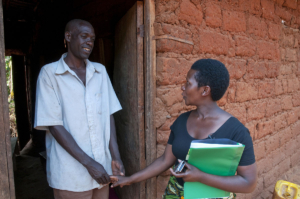 Rwanda’s community health worker model, widely known as “Rwanda CHWs child survival,” drove the nation’s under-5 mortality rate to plummet from 158 deaths per 1,000 live births in 2000 to about 40 in 2023, a drop exceeding three-quarters. That feat makes Rwanda one of only four low-income nations to clear the 75 % benchmark since 2000.
Life-Saving Trios in Every Village
At the core of Rwanda’s child survival strategy is a network of about 45,000 CHWs, three elected volunteers in each of the country’s nearly 15,000 villages. The “binôme,” a male-female CHW pair, treats common childhood illnesses such as malaria, diarrhea and pneumonia, diseases that pose serious risks to young children. Meanwhile, a female maternal health worker monitors every pregnancy from the first trimester to postpartum.
Most recruits complete about three months of intensive classroom and hands-on instruction in integrated community case management, maternal-newborn care, nutrition counseling and family-planning services. They must score at least 80 % on a post-course exam before being certified; brief refresher modules update drug protocols and data-reporting skills each year.
Cash for Results Keeps Quality High
Since 2009, Rwanda’s Ministry of Health has operated a community performance-based financing (cPBF) scheme that sends group bonuses directly to legally registered CHW cooperatives. These quarterly bonuses, wired through the Ministry of Economy and Finance, are released only after each group meets specific maternal and child health targets.
Under the original split, 30% of every payment went to individual workers and 70% stayed in the co-op account to build capital. Co-ops invest that reserve in income ventures and about 52.7% choose livestock projects such as dairy goat or poultry sheds. In contrast, others buy bicycles, maize mills, or seeds for micro-loan funds.
Profits boost household income and keep attrition low, while the promise of the next bonus keeps each village team laser-focused on service coverage and timely referrals.
RapidSMS: A Text That Saves a Life
A 2018 nationwide evaluation reported that Rwanda’s CHWs fired 9.3 million RapidSMS messages between 2012 and 2016, flagging births, danger signs and supply gaps in real-time. Those real-time alerts let supervisors dispatch antibiotics, restock bed nets and organize ambulances faster, raising antenatal care, facility delivery and post-natal rates in the districts studied.
Scaling Up Again
Rwanda is digitizing its frontline workforce by formulating an electronic Community Health Information System (eCHIS). It was built in 2023 and a pilot has already helped train 600 community health workers across three districts to capture visits on a smartphone app.
Also, on May 30, 2025, Rwanda’s Health Ministry rolled out a new AI-powered mobile platform to train and support all 58,567 CHWs on their smartphones, replacing costly face-to-face workshops. The system links each visit to the community electronic medical records (cEMR) database so supervisors can track patient trends and drug stocks in real-time.
Conclusion
Rwanda’s experience proves that community trust, modest pay for performance and real-time data can significantly reduce child deaths. Health ministries that are struggling with high under-5 mortality now have hope to combat it, especially with the Rwanda CHWs child survival model.
– Arabella D’Aniello
Arabella is based in The Hague, Netherlands and focuses on Good News for The Borgen Project.
Photo: Wikimedia Commons
