The Link Between Poverty and Disabilities in Ghana
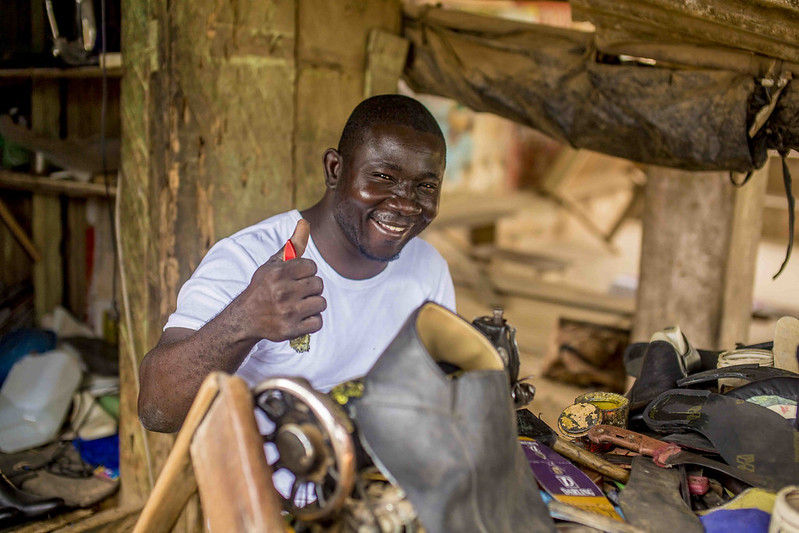 In Ghana, between 2023 and mid‑2025, non-governmental organizations have partnered with the government and international organizations to spearhead transformative programs for persons with disabilities, crucial in breaking the cycle of poverty.
Disabilities in Ghana
According to the 2021 Population and Housing Census by the Ghana Statistical Service, around 8% of Ghanaians experience some form of disability. According to Ghana Districts in 2017, visual impairment makes up 38.3% of people with disabilities in Ghana, followed by physical at 18.1%, intellectual at 8.0%, emotional at 23.1%, hearing at 14.6% and speech at 14.7%.
Because of these disabilities, according to Ghana Districts, approximately 67.9% of individuals with physical disabilities have attended school, but just 2.6% have attained post-secondary education.
Additionally, according to Emerging Public Leaders, only 30% of public buildings in Ghana meet accessibility criteria. According to a 2020 article, households with a person with disability face significantly higher poverty levels, 38.5% vs. 22.6%.
Training Social Workers for Inclusive Support
In July 2024, UNICEF, in coordination with the Ministry of Gender, Children and Social Protection and USAID, launched a seven-week certified training program, which upskilled 60 social service workers from all 16 regions, enhancing their ability to support disabled individuals through better case management, disability rights awareness, and community-based rehabilitation.
“By improving and building the capacity of social workers, Ghana is paving the way for the delivery of quality care and services for children and vulnerable families to thrive,” UNICEF Representative Osama Makkawi said at the launch of the program, according to UNICEF’s website.
Ghana Federation of Disability Organizations
Legal frameworks have historically lagged behind Ghana’s commitment to disability rights. The Ghana Federation of Disability Organizations (GFD), a national umbrella body, has taken the lead in addressing this gap.
According to Ghana News Agency (GNA), in mid-2024, GFD ramped up advocacy for the reenactment of the 2006 Persons with Disability Act (Act 715) to align with the U.N. Convention on the Rights of Persons with Disabilities.
With support from the legal NGO Centre for Public Interest Law (CePIL) and funding from Oxfam, which provides services and training to people with disabilities. CePIL organized trainings nationwide capacity-building workshops to train people with disabilities in legal advice.
ACLiDD-Ghana Promotes Inclusive Employment
While legislation is critical, economic empowerment remains a key challenge for Ghana’s disabled population. According to GNA, Advocacy for Children Living with Developmental Disabilities (ACLiDD) has led efforts to push for policy incentives for inclusive employment.
On International Day of Persons with Disabilities 2024, according to GNA, ACLiDD launched a public campaign. This campaign called for leadership roles to not be based on physical abilities, but instead on competency, vision, passion and determination.
It emphasized the importance of mentorship and job-readiness programs to support transition from education to work, according to GNA..
Africa Disability Institute Performs Accountability Activity
In April 2024, the Africa Disability Institute (ADI) launched a five-year USAID-funded Performance Accountability Activity in select directs across the Volta and Oti Regions, according to GNA.
The program includes assemblies in Keta, Ketu South and Nkwanta North and South as well as the empowerment of persons with disabilities in Ghana, according to GNA. It monitors ans holds public institutions accountable in essential sectors such as education, healthcare, WASH, agriculture and fisheries.
According to GNA, at stakeholder meetings in Keta, ADI emphasized strengthening user voice and community networks to secure equitable service delivery. The project aims to enhance local economic outcomes by ensuring inclusive development plans are implemented in these four districts before expanding nationwide.
Looking Forward
Despite growing momentum, challenges remain. Funding gaps, inconsistent data collection and social stigma continue to hinder progress.
According to the International Labour Organization (ILO), investing in disability inclusion can yield significant economic returns, potentially increasing GDP by up to 7% in some countries.
Additionally, Ghana’s Direct Assemblies Common Fund for Persons with Disabilities is mandated to allocate 3% of district development funds towards disability support, according to My Joy Online. However, civil society groups like SEND Ghana have reported delays and inconsistent disbursement at the district level.
In all, Ghana’s journey toward disability inclusion is not complete, but the foundation is being laid.
– Clarissa Dean
Clarissa is based in Bowling Green, KY, USA and focuses on Good News and Celebs for The Borgen Project.
Photo: Flickr
