Being Poor in Nigeria
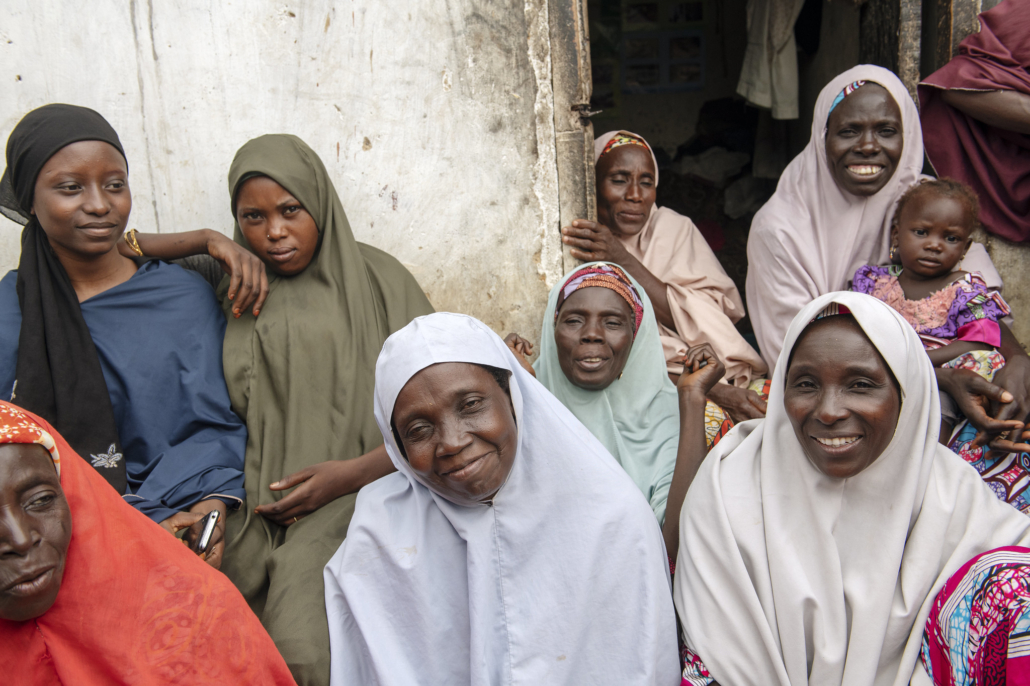 Nigeria is a multiethnic and culturally diverse federation with 36 autonomous states and the Federal Capital Territory. The ruling All Progressives Congress party (APC) partially dominate the political landscape, which controls the executive branch of government and holds a majority of seats in the Senate and House of Representatives in parliament as well as a majority of the states. Nigeria has a sizable population and a thriving economy, making it the largest in the West African sub-region. The oil industry produced a third of GDP, 85% of foreign exchange earnings and 95% of export income. Nigeria’s abundant resource reserves make it a prospective market for foreign businesses looking to create a thriving economy, combat poverty and deliver basic services.
Poverty in Nigeria
Most people would wonder why Nigeria still faces the prospect of poverty even though it is known as the nation with the greatest economy in the West African sub-region. Because its population has few opportunities, poverty is a problem for the government. The World Bank has stated that “Nigerians born in 2020 are only 36% as productive as they could be if they had access to health and education,” and their country has the seventh-lowest human capital index in the world. Many workers emigrate as a result of poor job creation and entrepreneurial opportunities.
In 2023, 87 million Nigerians were living below the poverty level, representing a 38.9% poverty rate. The best-performing regions are compared to upper-middle-income nations, demonstrating the persistence of spatial inequality. Insecurity and violence are pervasive, state capacity is inadequate and service delivery is constrained. Inadequate infrastructure impedes domestic economic integration and limits access to electricity. These difficulties are made more difficult by newly emerging issues like extreme weather events.
What Does It Mean to Be Poor in Nigeria?
Nigeria is facing a wave of violence, including kidnappings, clashes, terrorist attacks, brutal murders, food insecurity, inadequate health care and a disproportionate increase in living costs.
Residents of a refugee camp in Zamfara state in northwest Nigeria said “We are suffering greatly. We have almost nothing to eat and for more than four years we have not been able to dedicate ourselves to agriculture because the bandits have driven us out of our communities. We urgently need the government’s support.”
More than 2.2 million people in Nigeria have experienced displacement. Many of them are now living in congested, resource-poor camps. In the northeast, continuous battles are also impacting food production and agriculture. Families are afraid to grow outside of military cities. Being poor in Nigeria has led to some families eating cassava husks to survive because food shortages are so bad. As a result of poverty in Nigeria, the Nigerian government introduced the National Multisectoral Action Plan for Food and Nutrition in 2020, a 2021–2025 initiative to address malnutrition and food security. However, this initiative has received enough funding.
More than 30% of Nigeria’s workforce is employed in the agriculture sector, which contributes 24% of the country’s GDP. Yet support for this sector is still below the 10% goal that the African Union established in the 2003 Maputo Declaration. With 32% of children under five suffering from childhood stunting, Nigeria has one of the highest rates in the world.
The Path to Economic Stability and Poverty Reduction
Since May 2023, Nigeria has implemented significant measures aimed at reestablishing macroeconomic stability. There is now a single, better-regulated, and market-reflective official exchange rate as a result of the government’s shift to market-based gasoline pricing and significant FX policy reforms. Nevertheless, this has increased the strain already placed on businesses and people. Although the macroeconomic environment is getting better, further steps are necessary to guarantee long-term deflation and better policy communication. Four main fiscal priorities can lower debt risks and free up funds for pro-poor and development investment. Wage jobs, macro fiscal stability, growth, private sector development and human capital creation are all necessary for long-term poverty reduction.
While higher-paying jobs are unavailable, short- and medium-term initiatives to increase production in household businesses, both farm and non-farm, can offer assistance. Youth and women’s policy measures can also increase the labor market’s capacity to reduce poverty.
The World Bank’s Efforts
To prevent the threat of being poor in Nigeria, the World Bank approved two operations on Wednesday, June 13, 2024: $750 million for the Nigeria Accelerating Resource Mobilization Reforms (ARMOR) Program-for-Results (PforR) and $1.5 billion for the Nigeria Reforms for Economic Stabilization to Enable Transformation (RESET) Development Policy Financing Program (DPF). Nigeria’s pressing attempts to stabilize the economy and increase aid for the poor and most economically vulnerable are immediately supported financially and technically by this $2.25 billion package. It also backs Nigeria’s multi-year, ambitious plan to protect oil income and increase non-oil revenues in order to foster fiscal sustainability and provide enough funding for high-quality public services.
– Abdulhameed Olanrewaju
Abdulhameed is based in Exeter, UK and focuses on Technology and Global Health for The Borgen Project.
Photo: Flickr
