Global Health as a Political Priority
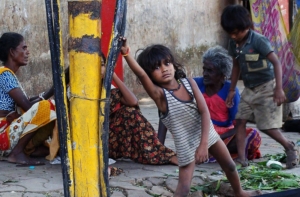 Global health refers to the health of populations worldwide, emphasizing that health issues transcend national boundaries. Global health is bound to economic stability and international security while focusing on health equity for all. Addressing health disparities within nations, mainly focusing on low-income countries where access to health care can be challenging, is also an integral part of global health initiatives. Recent events like COVID-19 and Ebola outbreaks demonstrate that health care and robust health systems are vital for global resilience and growth. Developing proper health systems ensures that countries can prevent and respond to health crises and other humanitarian issues.
Why Is Global Health Care a Political Priority?
Global health is more than a humanitarian concern. It is a critical component of political stability, economic resilience and international security. The enforcement of the World Health Organisation (WHO), as well as frameworks and initiatives like the International Health Regulations (IHR) and the Global Health Security Agenda (GHSA), ensures that nations are capable of responding, mediating and detecting health threats efficiently.
Cooperative efforts between health nongovernmental organizations (NGOs), intergovernmental organizations (IGOs), governments and law enforcement have proven successful in dealing with global breakouts like COVID-19. Simply put, global health care is a priority because:
- World health promotes international security.
- Strengthening health systems reduces disease burdens and increases work and economic disruptions.
- Health care is a powerful driver of innovation, therefore promoting new scientific advancements.
- Global health initiatives address moral responsibility and equality.
The Global Polio Eradication Initiative
The Global Polio Eradication Initiative (GPIE), launched in 1988, aimed to prevent any child worldwide from being paralyzed by poliovirus. As a result, polio has decreased by 99.9% globally. The GPIE is a public-private partnership led by six partners and national governments. According to GPIE, an estimated 20 million people today would have been paralyzed; now, the risk of contracting polio is extremely low. The GPIE continues addressing challenges like reaching children in conflict zones and vaccine hesitancy.
AIDS Relief (PEPFAR)
Since the PEPFAR initiative started in 2003, more than 25 million lives have been saved. Prior to 2003, an HIV diagnosis was considered a death sentence for many across the globe. PEPFAR works with partner countries to control and prevent the spread of AIDS and HIV. PEPFAR focuses on providing life-saving antiretroviral treatment (ART), prevention programs and support for individuals and communities affected by HIV/AIDS, particularly in low-resource settings.
GAVI, The Vaccine Alliance
Established in 2000, Gavi aimed to save lives, reduce poverty and protect the population from pandemics. This vaccine alliance has immunized more than 1.1 billion children in 78 countries. GAVI works with governments and organizations to reduce vaccine costs and ensure equitable distribution.
COVAX
COVAX was a multilateral effort co-led by GAVI, WHO, UNICEF and the Coalition for Epidemic Preparedness Innovations (CEPI) to develop the COVID-19 vaccine. Launched in 2020 in response to the pandemic, COVAX worked to manufacture and secure vaccines guaranteed for global use. Its mission was to ensure that all countries, regardless of economic status, can protect their population, especially the most vulnerable. By 2023, COVAX had delivered millions of vaccine doses to countries worldwide, reducing global health inequities and aiding in the fight against the global pandemic.
The Partnership for a Lead-Free Future
Launched by UNICEF and USAID, this initiative is dedicated to tackling lead exposure in low-income countries. According to USAID, more than half a billion children in the world have a percentage of lead in their blood. Key efforts include phasing out lead in products like paint, batteries and fuel while also raising awareness about lead hazards. Therefore, by 2040, the partnership has committed to creating a lead-free future for all the world’s children. This initiative aims to create a healthier and more sustainable future for all.
Global Alliance for Hunger and Poverty
Proposed by Brasil’s G20 presidency, this initiative is focused on reducing poverty and eliminating hunger worldwide. The alliance emphasizes sustainable agricultural practices, access to nutritious food and innovative financing mechanisms to support vulnerable populations. Through collaboration with IGOs and governments, the initiative aims to address global inequalities, create flourishing livelihoods and strengthen food security. The official launch of the Global Alliance was during the G20 Leaders Summit in November 2024 and has gained the support of more than 80 countries.
Conclusion
Making global health a political priority is necessary for creating a resilient, equitable and secure world. From the integration of health and security to international funding collaborations, governments can adopt strategies that integrate health with security, promoting prosperity and stability.
– Gufran Elhrari
Gufran is based in London, UK and focuses on Global Health for The Borgen Project.
Photo: Flickr
