EpiC in Laos: HIV/AIDS Prevention for Marginalized Communities
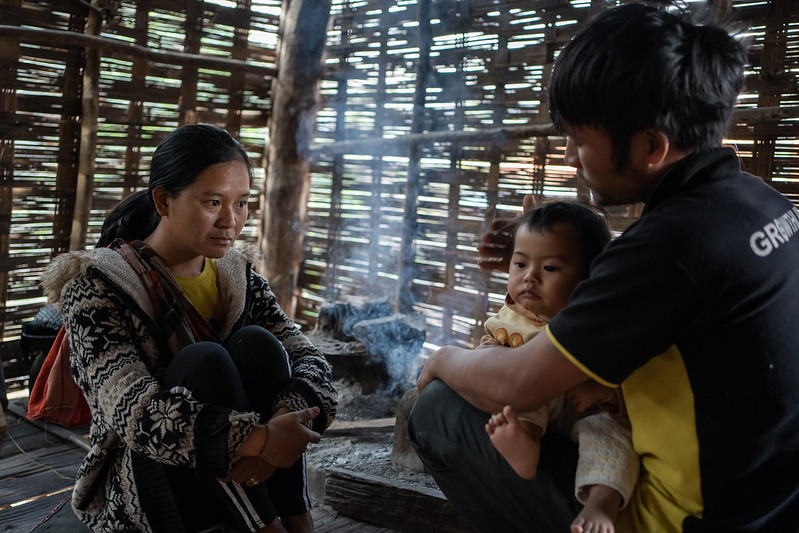 The Meeting Targets and Maintaining Epidemic Control (EpiC) is an eight-year project (2019-2027) funded by the United States President’s Emergency Plan for AIDS Relief (PEPFAR) and the United States Agency for International Development (USAID). EpiC’s goal is to achieve control over the HIV/AIDS epidemic by enhancing technology and service access to key populations.
EpiC is led by FHI 360, a global organization that rallies technology, research and relations to improve global health. FHI 360 is present in more than 60 countries. Its EpiC project has been implemented in 35 countries, from Laos to Central Asia and Africa. With a budget of $4.2 million for 35 countries, including Laos, EpiC has seen success in controlling HIV/AIDS and improving the living conditions of those affected.
HIV/AIDS in Laos
Laos, located in the heart of Southeast Asia, borders Myanmar, Thailand, Vietnam and China. The country has a population of 7.5 million. The first case of HIV in Laos was recorded in 1992, involving a female sex worker who frequently traveled to Bokeo at the northern border of Laos and Thailand. Since then, Laos has maintained a low HIV prevalence, with an infection rate of 0.3%, affecting approximately 20,000 people by 2022.
The epidemic has a death toll due to the disease of less than 500. However, among the cases, 39.2% are female sex workers (FSM) and 11.5% are men who have sex with men (MSM). Approximately 11.682 cases of HIV/AIDS are on antiretroviral therapy (ART). Furthermore, 9,910 instances received a viral load test within the past 12 months.
EpiC’s Initiatives
EpiC is different from past HIV/AIDS control projects because it identifies that support for high-risk individuals is its target. High-risk populations include sex workers, pregnant women who have HIV and children whose one parent has HIV. Building on existing HIV/AIDS relief programs, EpiC improves management, accurate health information and funding.
Rolling out HIV testing and pre-exposure prophylaxis (PrEP), setting up a total market for open access to condoms and ART and decentralizing access to HIV/AIDS-related services to local and private sectors with appropriate funding health care providers to smaller regions are current EpiC’s actions. EpiC also prioritizes providing services to lessen the stigma and violence surrounding HIV/AIDS in health care and law enforcement.
EpiC’s Success
In 2022, EpiC achieved its goal of 95-95-95 in Laos. This means that 95% of people living with HIV/AIDS are aware of their health status. Additionally, 95% of those receive treatment and among individuals who receive treatment, 95% have suppressed viral infection and have no risk of passing the virus to others.
Moving Forward
With EpiC strategically set in place, the future is looking bright for HIV/AIDS patients and the health condition of developing countries, especially Laos. EpiC has made positive changes toward open access to HIV/AIDS control services to vulnerable communities through joint efforts and critical strategies.
– Jimmy Nguyen
Jimmy is based in Savannah, GA, USA and focuses on Global Health for The Borgen Project.
Photo: Flickr
