3D-Printed Housing: A New Hope for the Homeless in Colombia
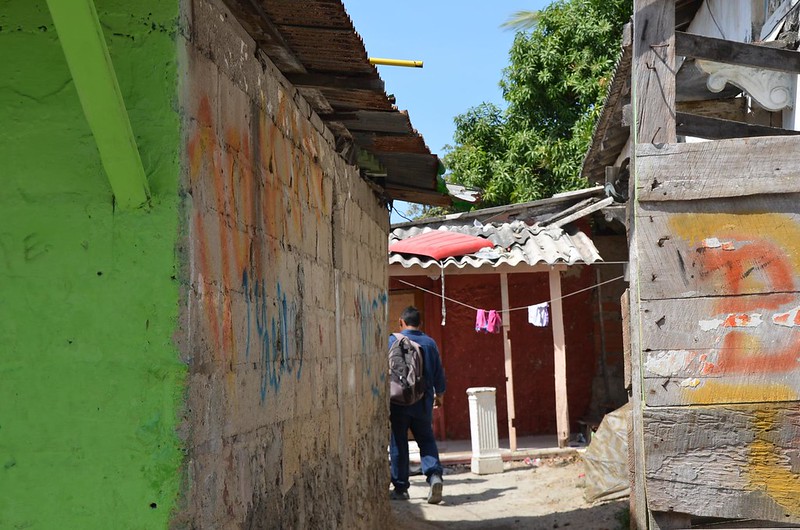 Colombia is pioneering a transformative approach to addressing its housing crisis by deploying advanced 3D printing technology. The Crane WASP, developed by the World’s Advanced Saving Project (WASP), is a large-format 3D printer capable of constructing homes from natural resources such as dirt and agricultural waste. This innovation marks a significant leap toward providing affordable and sustainable housing solutions for Colombia’s homeless and displaced populations. The technology’s versatility and low energy consumption make it particularly effective in regions where traditional construction methods are impractical or too costly.
Resilience and Sustainability in Housing
Colombia’s vulnerability to disasters and climate-related shocks underscores the critical need for resilient housing solutions. Approximately 23% of Colombian households live in substandard housing units highly susceptible to climate impacts. To tackle this issue, the Colombian government, with support from GFDRR and the World Bank, has undertaken significant reforms. A comprehensive assessment revealed that while 80% of families needed improvements to existing housing, 98% of the annual $600 million housing budget was allocated to new construction.
Scalable Solutions Through Technology
Colombia faces a severe housing shortage, with more than 3.7 million households experiencing a deficit. The Crane WASP offers a scalable solution, particularly in regions where conventional construction methods are impractical or too costly. By leveraging the technology’s versatility and low energy consumption, the United Nations Development Program (UNDP) aims to improve living conditions for the homeless and displaced populations throughout Colombia.
The use of natural materials in 3D printing significantly reduces the environmental footprint of construction. Traditional building methods often rely on concrete, which is resource-intensive and contributes to greenhouse gas emissions. In contrast, the Crane WASP utilizes local soil and agricultural waste, promoting a circular economy. Research reveals that sustainable building practices can lead to reduced waste, lower energy consumption and enhanced resilience to climate impacts, such as floods and hurricanes, which are increasingly affecting vulnerable populations.
Moving Forward
While specific numbers on how many people have benefited so far are not yet available, the initiative aims to target the most underserved regions, particularly rural areas that are difficult to reach. The use of advanced 3D printing technology, like the Crane WASP, allows for the construction of sustainable homes using natural resources, making it a promising solution for the homeless in Colombia.
As Colombia continues to explore and expand these technological solutions, it sets a precedent for other nations grappling with similar issues. The success of the Crane WASP initiative could inspire global adoption of 3D printing technology in housing, demonstrating how innovation can potentially transform the lives of vulnerable populations and drive sustainable development on a larger scale.
– Aneela Agha
Aneela is based in Dubai, United Arab Emirates and focuses on Technology and Global Health for The Borgen Project.
Photo: Flickr
