The Hidden Dimensions of Poverty
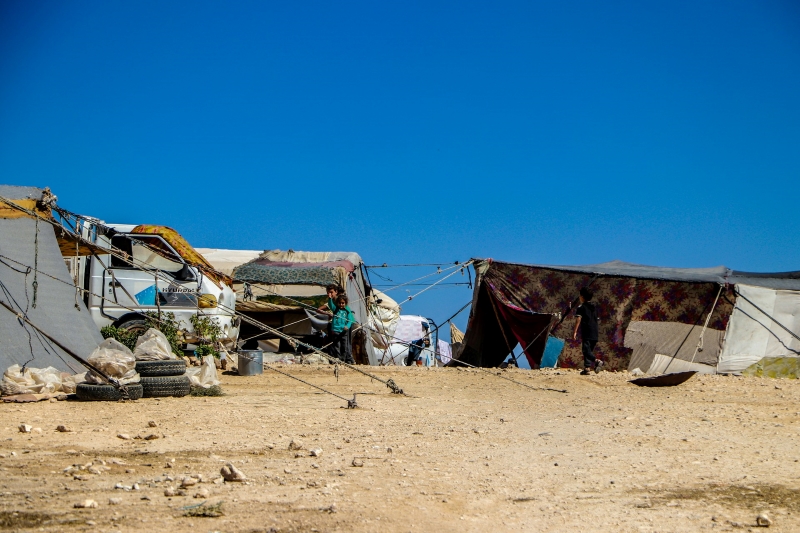 In February 2024, the “Addressing the Hidden Dimensions of Poverty in Knowledge and Policies” Conference took place at the World Bank headquarters in Washington, D.C. and online. To better understand the key dimensions and relationships of poverty, the conference brought together various groups including practitioners, academics and people with first-hand poverty experience to join together in research.
The Agenda
The conference’s Keynote speech “Evaluating the Impact of Anti-Poverty Policies: The Value of Multiple Approaches” set the tone for the event by introducing the idea that multiple perspectives are key when discussing issues of poverty, particularly those from people who have lived experience.
The conference then drew on the findings of two significant research projects that illustrate poverty’s hidden dimensions and how to incorporate them into the fight against global poverty. Both of these projects were conducted in collaboration with ATD Fourth World, a non-profit organisation founded in 1957.
After a series of workshops which explored the applicability of these projects to poverty research in specific countries including Bolivia, Tanzania and the U.K., according to the World Bank, the conference concluded with a roundtable discussion from leaders of the World Bank, ATD Fourth World, International Monetary Fund (IMF) and the U.N.
The Hidden Dimensions of Poverty
The ‘Hidden Dimensions of Poverty’ was a multi-year participatory research project from ATD Fourth World and Oxford University published in 2019. The project aimed to complement “top-down” definitions of poverty with direct experiences to develop future research methodologies. Researchers hope that these research methodologies can enable people in poverty to engage in global policy-making, hold governments accountable and fulfil their human rights obligations.
The project concluded that poverty may be defined as having nine dimensions that each fall into one of three larger categories. For each individual, the dimensions within these three categories (core experience of poverty, lack of resources and relational dynamics) are caused by external modifying factors such as location and identity which combine to create an experience of poverty that is unique to the person. This framework can not only define poverty but also help understand the contributing factors at play which could shape local and global policy, according to the research.
ATD Fourth World views current measures of extreme poverty such as the $1.90 a day indicator to be deeply flawed and inadequate. Instead, it believes that extreme poverty is a multidimensional phenomenon and policymakers should treat it as such. ATD Fourth World continues to work with people living in poverty, researchers and international organisations and governments to work on the question of how best to measure poverty.
The IDEEP
The Tool for the Inclusive and Deliberative Elaboration & Evaluation of Policies (IDEEP) is a document that ATD Fourth World and Olivier De Schutter, the U.N. Special Rapporteur on extreme poverty and human rights, created and published in February 2024.
The IDEEP aims to guide policymakers to ensure that the design, implementation and assessment of policies and projects has strong participation from people in poverty. This aims to ensure the addressing and inclusion of various dimensions of poverty, including the “hidden” ones. While not explicitly mentioned, the IDEEP draws on the findings of the Hidden Dimensions of Poverty to provide a framework which is inclusive and deeply participatory.
This tool does not intend to replace existing policy assessment tools such as those which rely on the normative framework of human rights, rather it aims to complement them to offer a more nuanced perspective. Furthermore, by using the IDEEP, decision-makers could capture the lived experiences of people in poverty to create improved policies and projects.
Changing the Perception of Poverty
Put simply, poverty is something that society has created, knowingly or unknowingly, according to ATD Fourth World. The findings put forth in this conference demonstrate that the best way to solve this issue is through open collaboration between researchers, people with lived experience and international institutions and governments. It is only through understanding the hidden dimensions of poverty that one can constructively combat this global issue.
– Carla Messinger
Carla is based in Oxford, UK and focuses on Global Health and Politics for The Borgen Project.
Photo: Unsplash
