The Path to Poverty Reduction in South Korea
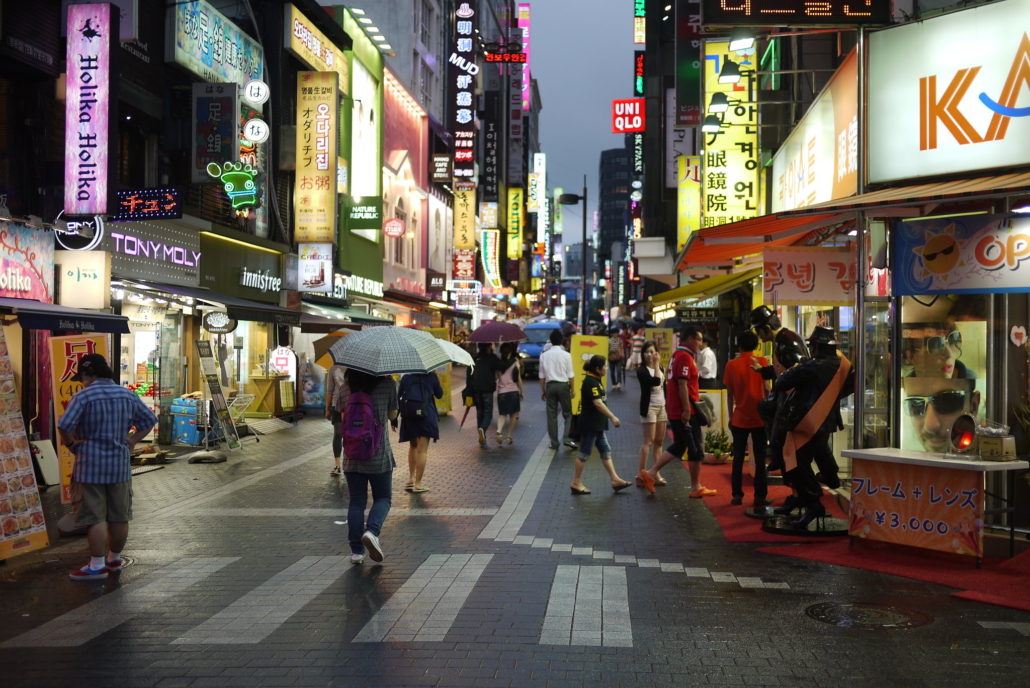 South Korea has adopted a long-term, comprehensive, multifaceted approach to reducing poverty, integrating government initiatives, technological innovations and international cooperation. These strategies have resulted in significant improvements in the country’s economy, education and infrastructure, making South Korea “the 12th largest economy in the world.” Here is information about poverty reduction in South Korea.
Economic Growth and Poverty
Since the end of the Korean War, South Korea’s economy has expanded, turning it from a low-income nation into a major player in the world economy. According to the World Bank, South Korea’s real gross domestic product (GDP) increased by an average of 5.7% each year between 1980 and 2023. Moreover, its gross national income (GNI) per capita swiftly advanced from $67 in the early 1950s to $33,745 in 2023.
South Korea faces challenges in addressing relative poverty, especially among senior citizens. The Human Rights Measurement Initiative (HRMI) ranks the country among the bottom three OECD countries in terms of relative poverty rates. For people aged 65 and older, South Korea has the highest relative poverty rate in the OECD.
Human Rights and Social Outcomes
On the other hand, the HRMI gives South Korea a positive score in ensuring basic rights such as food and health for its people. The right to food is 97.3% of what should be possible with South Korea’s GDP per capita, indicating that the majority of the population has adequate access to food, according to the HRMI.
However, the organization also notes that the right to work is less adequately addressed, with South Korea scoring only 74.4% of its potential in ensuring employment. This disparity is due to the high rate of relative poverty and the significant gap between regular and non-regular workers.
Government Policies and Welfare Programs
In recent decades, poverty reduction in South Korea has become more prevalent largely due to various government policies on enhancing social welfare and labor reforms. Social spending has increased significantly, quadrupling as a percentage of GDP from 1990 to 2015. The current administration has continued this trend by raising the minimum wage and expanding welfare budgets, according to the HRMI.
However, South Korea’s social spending still remains relatively low compared to other countries in the OECD. According to the HRMI, social spending in 2020 was only 10.4% of GDP, far below the OECD average of 21.6%.
According to the Ministry of Economy and Finance, the South Korean government has implemented various initiatives to stabilize the economy through fiscal policies, regulatory reforms and measures to manage inflation and stabilize prices. These policies create an environment that is conducive to business growth and job creation.
Expansion of Social Safety Nets
South Korea’s efforts to expand its welfare programs since the late 20th century have continued to this day. These enhanced safety nets aim to provide comprehensive economic support and safeguards to vulnerable populations. In particular, many of these programs focus on providing tailored health care, pension benefits and direct financial aid to senior citizens and rural residents, promoting equitable growth and development.
However, despite the expansion of these safety nets, relative poverty among vulnerable populations in South Korea remains an issue to this day. For example, the 2022 OECD Economic Survey of Korea reports that the average pension paid by the National Pension Service was only the equivalent of a third of the country’s minimum wage. Such factors have contributed to the ongoing high rate of relative poverty found by the HRMI in South Koreans aged 65 and older.
The international dimension of South Korea’s poverty reduction strategy applies active participation in global economic forums and hosting significant events like the World Bank’s 21st International Development Association (IDA) replenishment meeting. In only six decades, with the help of the IDA and World Bank, South Korea has transformed from an IDA recipient to a contributor that is now positioned to support the development of other countries.
The Future
South Korea’s journey from a war-torn nation to an economic giant is a testament to its resilience and effective policy-making. The government’s integrative approach to reducing poverty within the country through innovative policy-making, technological advancements and international cooperation has demonstrated rapid success.
However, there is still room for further improvement. The ongoing refinement and expansion of South Korea’s social spending, labor reforms and targeted poverty alleviation programs are still essential to ensuring sustainable poverty reduction in South Korea and improving the social outcomes for all its people.
– Sophia Lee
Sophia is based in Media, PA, USA and focuses on Business and New Markets for The Borgen Project.
Photo: Flickr
