Affordable Housing and Poverty Reduction
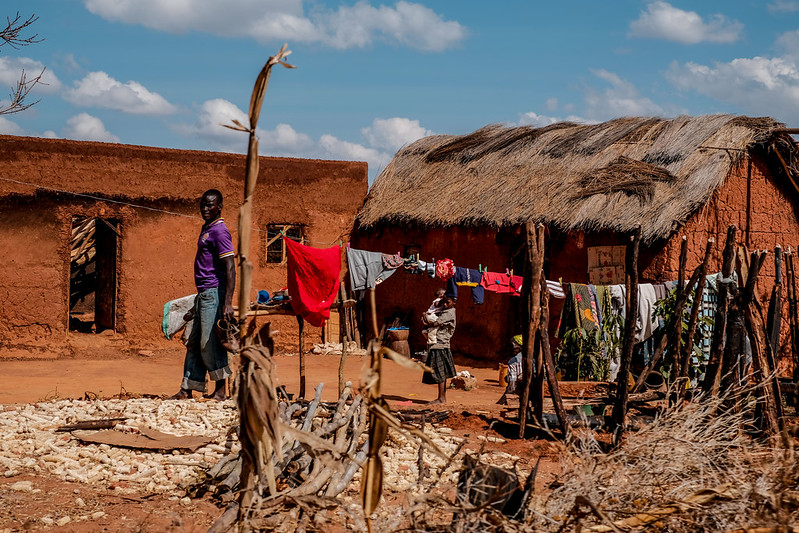 In the age of urbanization, access to affordable, sustainable housing has become increasingly diminished, burdening developing nations aiming to provide their growing populations with necessities for survival. It is estimated that 40-75% of individuals located within rapidly growing sittings are densely concentrated in squatter settlements, with higher legal standards in housing, zoning and public services restricting many of the rights to home ownership.
According to the United Nations (U.N.) Department of Economic and Social Affairs, there are more than 1.1 billion people currently living in slums or slum-like conditions, with an additional two billion expected within the next 30 years. Yet, creating affordable housing has proven itself to be a multifaceted operation, balancing the present needs of pre-existing low-income communities while opening new opportunities for citizens to purchase homes that they can preserve in the long term.
Defining Housing
Housing itself can be a difficult term to entirely define, as it is oftentimes relative to the overarching living conditions within a city, state or nation. The World Health Organization (WHO) defines housing as a residential environment that includes all necessary services…for the physical and mental health and social well-being of the family, indicating adequacy for human habitation. Housing can thus be classified as affordable if it does not surpass 30% of the household income of a family, allowing for financial allocation to other living requirements. Comparatively, slums, in the most fundamental sense, are shelters that do not conform to the degrees established by the WHO or legalized housing codes: they may not have proper sanitation measures, structural qualities or number of permitted occupants.
Constraints to Affordability
Creating affordable housing is not straightforward, especially given the financial resources governments need to expand low-income housing programs. Simply increasing the number of available houses does not automatically make them affordable. Public housing construction often requires additional measures such as rent control and subsidies to be truly accessible. Ira Peppercorn, former deputy federal housing commissioner, argues that subsidies can be inefficient and ineffective if they do not align with long-term sustainability goals and fail to tackle the root causes of illegal ownership.
The creation of modernized homes often involves demolishing existing slums, which disrupts long-established urban communities. Peppercorn points out that slums are not merely residential areas for low-income citizens but also hubs of cultural and economic growth, fostering commercial activity with fruit stands, barber stalls and other small businesses. Instead of demolishing these communities for noncompliance with housing codes, governments could provide access to resources that help residents meet legal standards. While this strategy may not enhance living standards in every aspect, it could prove more sustainable in the long term compared to enforcing home ownership and relocating families.
Success of the National Housing Authority in Thailand
The National Housing Authority (NHA) in Thailand is one program that has been notably successful in creating affordable housing and linking community development measures with access to secure housing. Thailand has one of the highest rates of home ownership throughout the world, previously estimated at 81% in 2010, primarily due to the successes of its NHA programming. The NHA, first established in 1973, combines the interests of private investors—looking for the opportunity to develop highly subsidized land—with the manufacturing of affordable homes. NHA housing hosts a low-selling point, enhancing access for low and middle-income families, while offering subsidies up to $2,000. In 2020, amid the COVID-19 pandemic, the NHA instated more than 141 programs to sell residences at prices less than $31,000, granting thousands the ability to remain in Bangkok in this period of economic turmoil.
Affordable Housing as a Poverty-Reduction Strategy
Creating affordable housing is undoubtedly a prospective strategy for poverty reduction, grounding families in a central, stagnant and safe domestic environment. While owning a home can be beneficial on the individual level, it additionally stimulates economic growth on the national level. Samuel Munzele Maimbo, Director of the IDA Resource Mobilization and IBRD Corporate Finance for the World Bank Group, has stated that “making affordable housing…is key for long-term, sustainable development outcomes,” displaying the power of governmental investment into the housing sector.
Looking Ahead
Addressing the housing crisis in rapidly urbanizing regions requires multifaceted solutions that balance affordability and sustainability. Programs like Thailand’s National Housing Authority demonstrate the potential for success by combining community development with secure housing initiatives. Ensuring access to affordable housing not only benefits individual families but also stimulates broader economic growth, highlighting its importance as a key strategy for poverty reduction and sustainable development.
– Eileen Lincoln
Eileen is based in Oakton, VA, USA and focuses on Technology and Solutions for The Borgen Project.
Photo: Flickr
