Female Empowerment through Fish Farming in Uganda
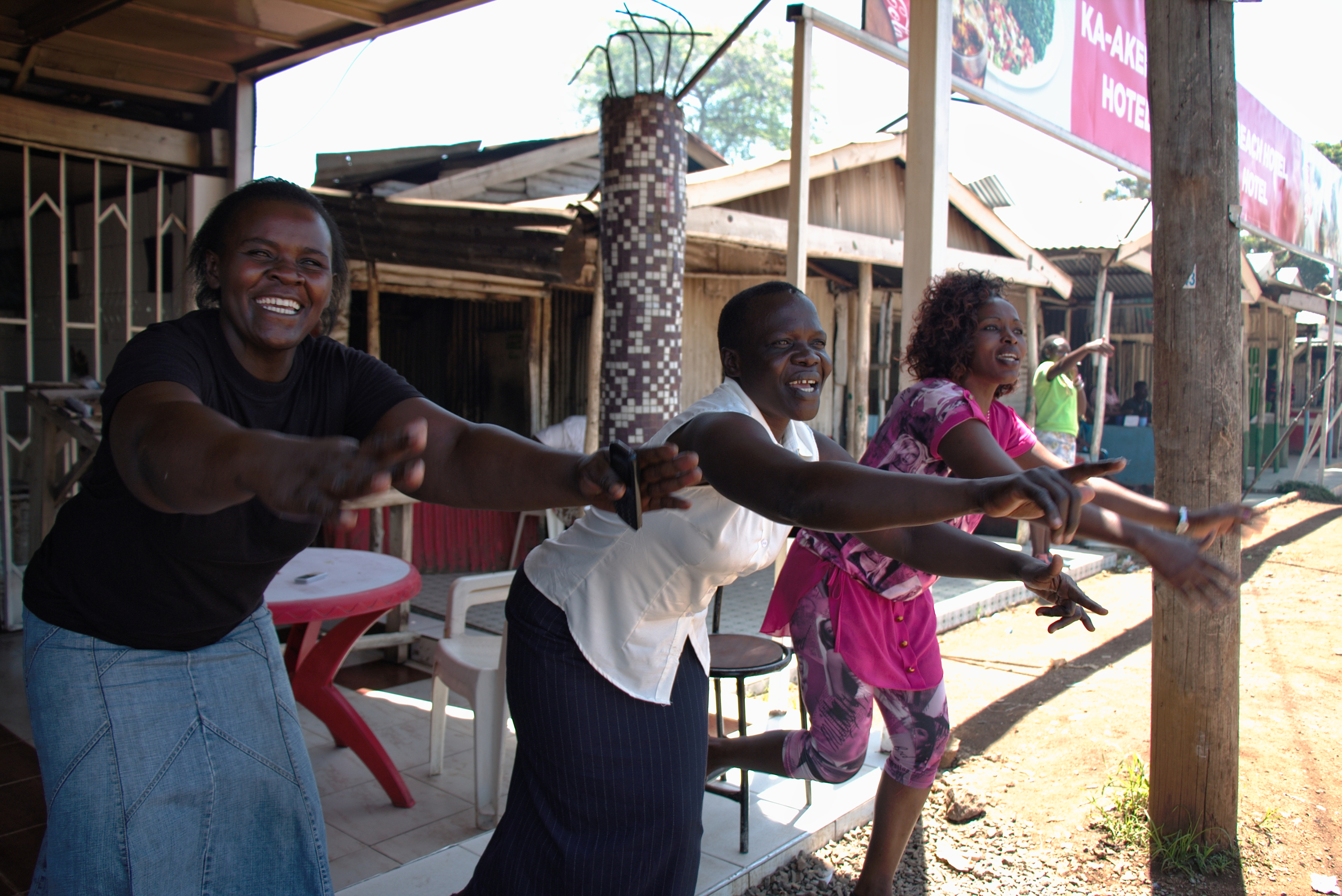 Fish farming has remarkably paved the way for female empowerment within Uganda. Supported by the United Nations (U.N.) Women, the women in the Bugiri District of Uganda are using fish farming to break down gender barriers that prevent them from escaping poverty.
The Situation for Women in Uganda
Uganda is located in Sub-Saharan Africa and has a population of 44.3 million, of which 41% live in poverty, living on less than $1.90 per day. As a developing country, women in Uganda face daily struggles. Approximately 85% of women work in the informal sector, which most often has poor working conditions, unpredictable earnings and job insecurity. Selling and trading at markets is a vital source of income for many women.
However, these women have no rights at work. Women typically struggle to platform their needs and concerns, suffering from frequent rights violations. Additionally, men dominate markets and thus, women are consequently excluded from leadership positions. In the long term, this has led to consequential restrictions on women’s economic participation across Uganda.
Fish Farming
Revolutionarily, women in Bugiri District in Eastern Uganda have broken into the male-dominated fish farming industry. Traditionally, fish farming was reserved for men, meaning women had to find other income sources. However, the women of Uganda have not only mastered the art of fishing but have simultaneously broken down the patriarchal taboo that prevents women from earning a decent livelihood.
Uganda’s Female Fish Farming Program
U.N. Women launched the Women Economic Empowerment Program to support Ugandan women defying gender stereotypes in fish farming. Initiated in 2019, the fish farming program aims to promote greater income security and decent work for Ugandan women, empowering them with economic autonomy by 2050.
U.N. Women and the Bugiri District Local Government specifically support rural women in fish farming activities in Lake Victoria. Before the program, many women with small businesses selling fish struggled. The fish farming program has trained 1,400 women in the district. As a result, there are 28 cages full of Tilapia fish, standing as a testament to the strength and empowerment of Ugandan women.
Female Empowerment through Fish Farming
The fish farming project has largely contributed to Uganda’s gross domestic product (GDP). The women have generated approximately $1.15 million in sales, producing 508.5 tons of fish. Additionally, U.N. Women have provided essential supportive services in the region, such as day care services for children, supplying necessary resources and housing fisherwomen in accommodation.
On an individual level, women across the Bugiri District have significantly benefited from the fish farming project. A resident and fisherwoman in Bugiri, Rose Nakimuli, commended the project, celebrating that she has developed aquaculture skills and learned how to swim and fish. Additionally, female empowerment through the fish farming program has several economic benefits. Women learned essential business management skills, learning how to run a business from start to finish successfully.
The project also strengthened women’s involvement in government and the whole fish value chain. Subsequently, the women established this project as a private company named “Women Economic Empowerment Bugiri” (WEEB). The CEO of WEEB, Ms. Immaculate Were, stated that women are now “specialized in feeding, harvesting, preservation, marketing and trading.” In turn, gender equality across Uganda has improved within homes, as women can earn a decent income to contribute to the family. Furthermore, the fish farming project has reduced gender-based violence because women are empowered within themselves, both socially and financially, instead of relying upon men. One fisherwoman added that “men now view them as heroes.”
Looking Ahead
Overall, female empowerment through fish farming across Uganda has been significant. The continued U.N. support for female empowerment is a hopeful solution to eradicating poverty across Uganda and combating gender inequality. “Once a woman gets wealthy, that’s wealth for the whole nation,” stated Were.
– Sian Ameer-Beg
Sian is based in Durham, UK and focuses on Business and Good News for The Borgen Project.
Photo: Wikimedia Commons
