FGM in Somalia and The National Development Plan
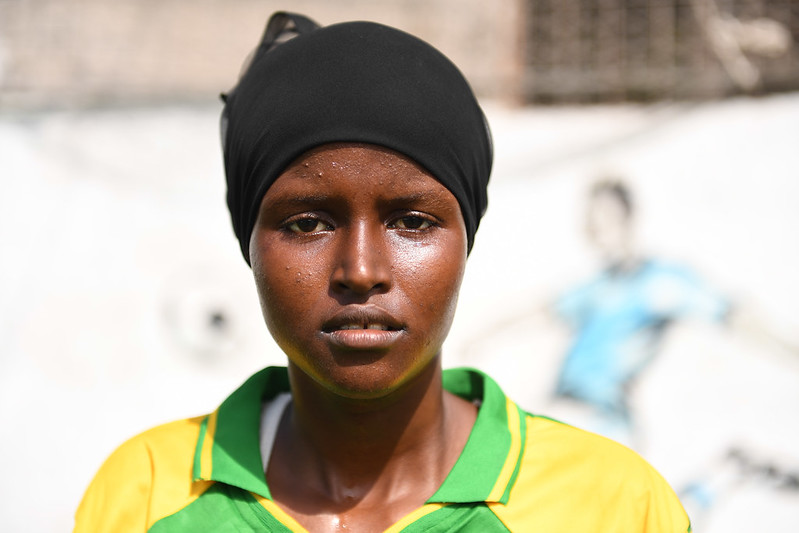 Somalia has one of the highest rates of female genital mutilation (FGM) in the world, with nearly 100% of women aged 15 to 49 having undergone the procedure. This practice is rooted in cultural, religious and social norms, perpetuating control over female sexuality and upholding gender inequality. Despite being illegal, female genital mutilation persists due to societal pressures, weak enforcement of existing laws and unstable governance. Traditional practitioners, often older women in the community, typically perform FGM, leading to severe health complications for the victims.
Reasons for Persistence
- Cultural and Religious Beliefs: FGM is viewed as a cultural practice to mark the transition from girlhood to womanhood. The practice is also mistakenly linked to religious expectations and beliefs.
- Social Pressure: There is a risk of ostracism if families do not conform to this practice held by groups. This process often aligns with practices such as child marriage. FGM is a way to preserve family honor and ensure daughters are “pure” and “virginal” women.
- Limited Access to Education: There is a lack of awareness regarding the pain, danger and injustice of FGM.
The National Development Plan
The Ninth National Development Plan (NDP9) is a comprehensive governmental framework designed to guide Somalia toward sustainable economic growth and poverty reduction between 2020 and 2024. This plan addresses politics, improved security, economic growth and social development. Furthermore, gender equality and women’s empowerment are pivotal objectives of NDP9. A significant focus is placed on combating harmful practices like FGM.
NDP9 incorporates strategies to combat FGM through laws, public awareness campaigns and education programs targeting both men and women. This includes the Ifrah Foundation’s “Dear Daughter” campaign, which hopes to reduce FGM by promoting personal empowerment and asking parents to pledge that they won’t cut their daughters. The aim is that a three-pillar approach of education, advocacy and action will begin to lay sustainable foundations for FGM eradication.
Comparison with Kenya
With previously high rates of FGM, similar initiatives and legislation in Kenya have seen FGM drop to approximately 15% among women aged 15-49. Effective grassroots activism, education and support from nongovernmental organizations (NGOs) have led to significant reductions in FGM prevalence, as well as the criminalization of those practicing. Organizations like the Kenyan anti-FGM Board and Amref Health Africa have been instrumental in these efforts. This comparison suggests that increased governmental stability and specific FGM groups can facilitate a quicker eradication of FGM in Somalia.
Activism, Advocacy and Advice
Activists like Shamsa Sharawe have played a crucial role in the fight against FGM in Somalia and Europe. By bringing the attention of international communities to the issue, Sharawe’s advocacy highlights the physical and psychological harm caused by FGM. Her efforts and those of various NGOs have been instrumental in pushing for more robust policies and community-based interventions. They display that this is not an issue of the past. FGM is a continual injustice and attack on female autonomy, dignity and freedoms.
Survivors of FGM, like Ifrah Ahmed (founder of “Dear Daughter“), have become vocal advocates for ending the practice. They emphasize the importance of education, community dialogue and international cooperation. Additionally, by sharing their stories, survivors help break down stereotypes and stigmas associated with female genital mutilation, advocating for survivor support and defending women’s dignity and integrity.
– Olivia Howard
Olivia is based in London, UK and focuses on Technology and Global Health for The Borgen Project.
Photo: Flickr
