Food Security in India: The Role of Cooperatives
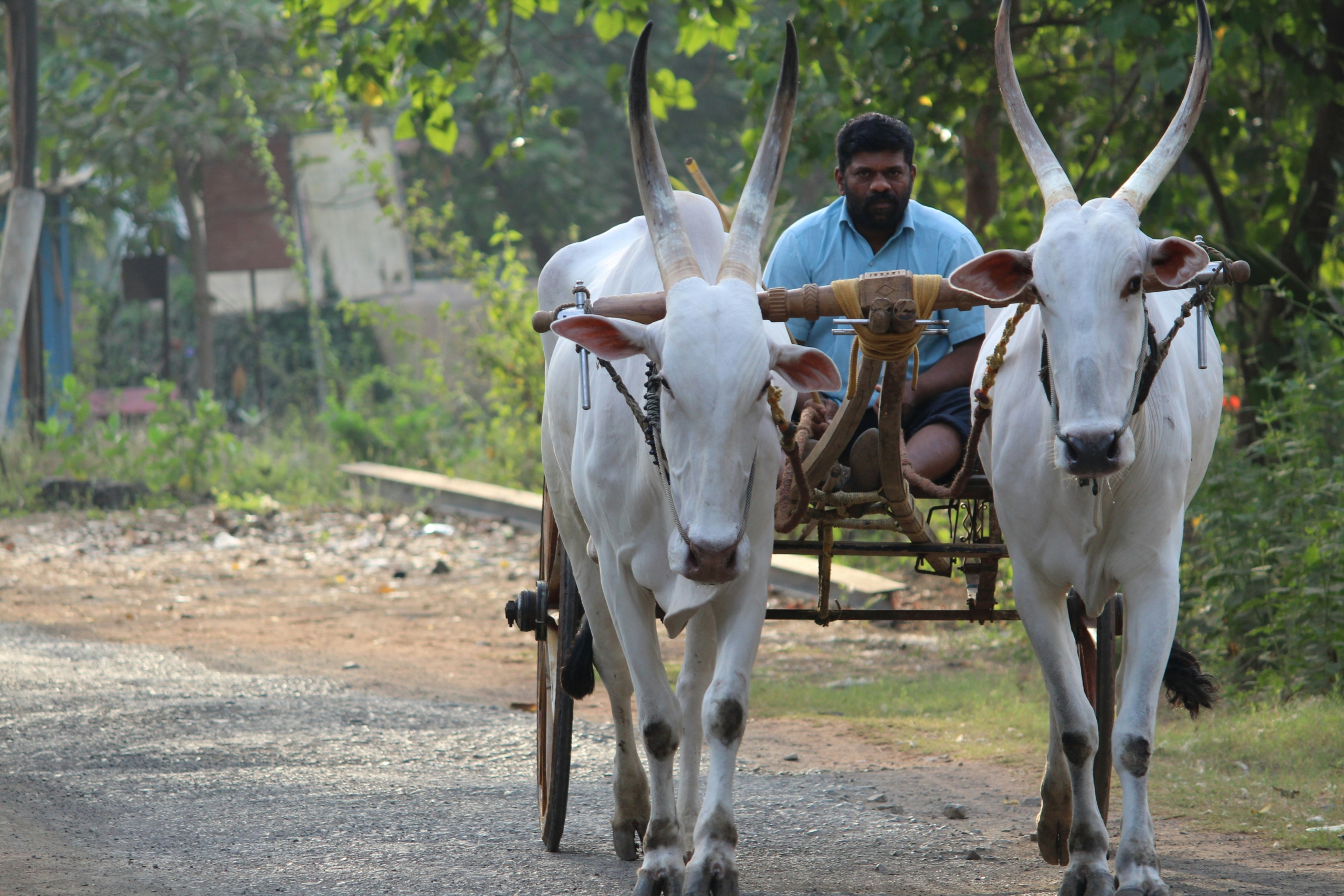 Around 65% of India’s population is engaged in “agricultural and allied activities” including agriculture, dairy farming, animal husbandry and fisheries. About 86% of the farming population in India consists of small and marginal farmers holding less than one hectare of land. Due to the high percentage of people with low incomes, food security in India poses a significant risk for a large portion of the country’s population.
Cooperatives in India
Cooperative societies are organizations where groups of people voluntarily come together to accomplish “common economic interest.” Cooperative societies that focus on the well-being of farmers and consumers play an important role in ensuring food security in India. They buy farm produce from farmers at the Minimum Support Price (MSP) and sell it to consumers at affordable prices.
Cooperatives in India, like Amul Dairy and the Horticultural Producers’ Cooperative Marketing and Processing Society (HOPCOMS), have ensured food security for people experiencing poverty. The cooperatives have provided milk, milk-based products, fruits and vegetables at subsidized prices.
Amul
Amul Dairy is the largest milk-producing entity in India. It was founded in 1946 by a group of farmers in Gujarat, India. The farmers sought to eliminate the presence of middlemen in dairy farming. The Amul Model, a three-tier model with the federation of members’ unions at the state level, the milk union at the district level and the dairy cooperative societies at the village level. This model was replicated all over the country under the leadership of Dr. Verghese Kurien, the founder chairman of Amul. He was given the role of running Amul from 1950.
Expansion of the model began in 1946 with only two dairy cooperative societies. Today there are 185,903 dairy cooperative societies nationwide, receiving milk from more than 16 million milk producers in the country. For more than 70 years, Amul has been determined to ensure food security in India by ensuring that millions of people across the country have easy access to milk and milk products. India is currently the largest producer of milk in the world, responsible for 24.64% of the world’s milk production, of which Amul has been the harbinger.
HOPCOMS
Horticulture is the science and art of growing fruits, vegetables, flowers and the like. HOPCOMS was established in 1959 in the south Indian state of Karnataka, initiated by the vision of Dr. M. H. Mari Gowda, the father of horticulture in Karnataka. With a population of around 64 million, 68% of Karnataka’s population relies on agriculture for their livelihood. Of these, nearly 2.3 million households are employed in the horticultural sector at present.
HOPCOMS, run with state support, receives farm produce from farmers all over Karnataka. It intends to ensure a proper and convenient system for marketing fruits and vegetables within the state. HOPCOMS’s main objectives are to ensure that farmers receive fair prices for their produce and consumers are sold farm products at reasonable prices. It does this by eliminating middlemen and providing farmers with adequate agricultural training and advice.
Conclusion
Cooperative societies like Amul Dairy and HOPCOMS have proved to be major contributors to food security in India. They ensure that both farmers and consumers can rely on government support for reasonable prices on farm produce. Eliminating the presence of middlemen has helped farmers to sell their produce directly to consumers at a predetermined price. It has also benefited consumers by saving them the extra costs incurred through middlemen. This has led to increased farmer incomes and the availability of subsidized milk, milk products, fruits and vegetables, all under the administration of the farmers of the country.
– Adya Umesh
Adya is based in Bangalore, Karnataka, India and focuses on Good News and Global Health for The Borgen Project
Photo: Unsplash
