The Fight Against HIV and AIDS in Burundi
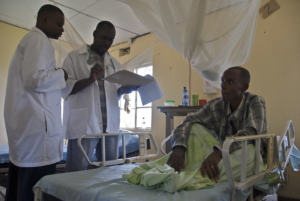 Burundi faces a significant health challenge, being one of the countries most impacted by HIV and AIDS. Currently, about 2.9% of the population is HIV positive, a crisis intensified by high poverty levels and population density. HIV disproportionately affects different groups within the country. Women and marginalized communities experience higher infection rates, with prevalence rates of 1.2% among women compared to 0.6% among men. Despite these daunting statistics, ongoing efforts provide a hopeful perspective on tackling this health crisis.
Baho Mbeho
The International Centre for AIDS Care and Treatment Programs (ICAP), affiliated with Columbia University’s Mailman School of Public Health, has been active in Burundi’s fight against HIV and AIDS. In 2023, ICAP launched “Baho Mbeho,” which means “you live, I live” in Kirundi, a native language of Burundi. This program is part of a broader international effort to curb HIV transmission, focusing significantly on urban centers, including Bujumbura, Burundi’s former capital.
The Baho Mbeho plan is set to enhance 161 health facilities over 5 years, employing a human-centric strategy. This initiative engages community organizations to assist health workers, expanding access to essential treatments. With a focus on prevention, the program aims to identify and manage new HIV cases early, a method proven effective in curbing the disease’s spread. It targets testing 141,000 people for HIV, providing a crucial service poised to prevent numerous infections and save many lives. Additionally, the program commits to delivering antiretroviral therapy to pregnant women, significantly reducing the risk of mother-to-child transmission of HIV.
Other International Aid
The campaign to control HIV and AIDS has garnered significant attention from African nations. Members of Parliament from Bahrain, Zimbabwe, Tanzania, Uganda and Chad have proposed strategies to enhance disease transmission prevention. Their recommendations include implementing gender-sensitive policies, expanding outreach to marginalized communities and improving care systems for children orphaned by AIDS. Burundian President Pierre Nkurunziza has actively coordinated the nation’s response, integrating the advice to better address how the disease impacts children.
Organizations such as Expertise France and ANSS have engaged in initiatives to support young people in combating HIV. These ongoing efforts include providing resources for early disease detection through screening and prevention programs. Additionally, they focus on education to challenge and reduce harmful stigmas associated with HIV, aiming to dismantle pervasive stereotypes not only in Burundi but globally.
The National Association for the Support of HIV-Positive People (ANSS) plays a pivotal role in combating HIV and AIDS in Burundi. The organization enhances screening services in Bujumbura and provides support by accompanying individuals to screening and treatment appointments.
A Hopeful Future
Despite significant challenges, Burundi is making promising strides in its fight against HIV and AIDS. This nation, one of the poorest and the second-most densely populated in Africa, deals with severe public health issues, worsened by prolonged civil conflict. However, through focused efforts by both the local government and international partners, Burundi is on track to become the first French-speaking African country to effectively control the spread of HIV. This achievement is highlighted by rising treatment rates and expanded educational campaigns, suggesting that the battle against HIV and AIDS in Burundi might indeed be winnable.
– Molly Ralph
Molly is based in Dorset, UK and focuses on Good News and Global Health for The Borgen Project.
Photo: Flickr
