Emergency Relief to Sudan
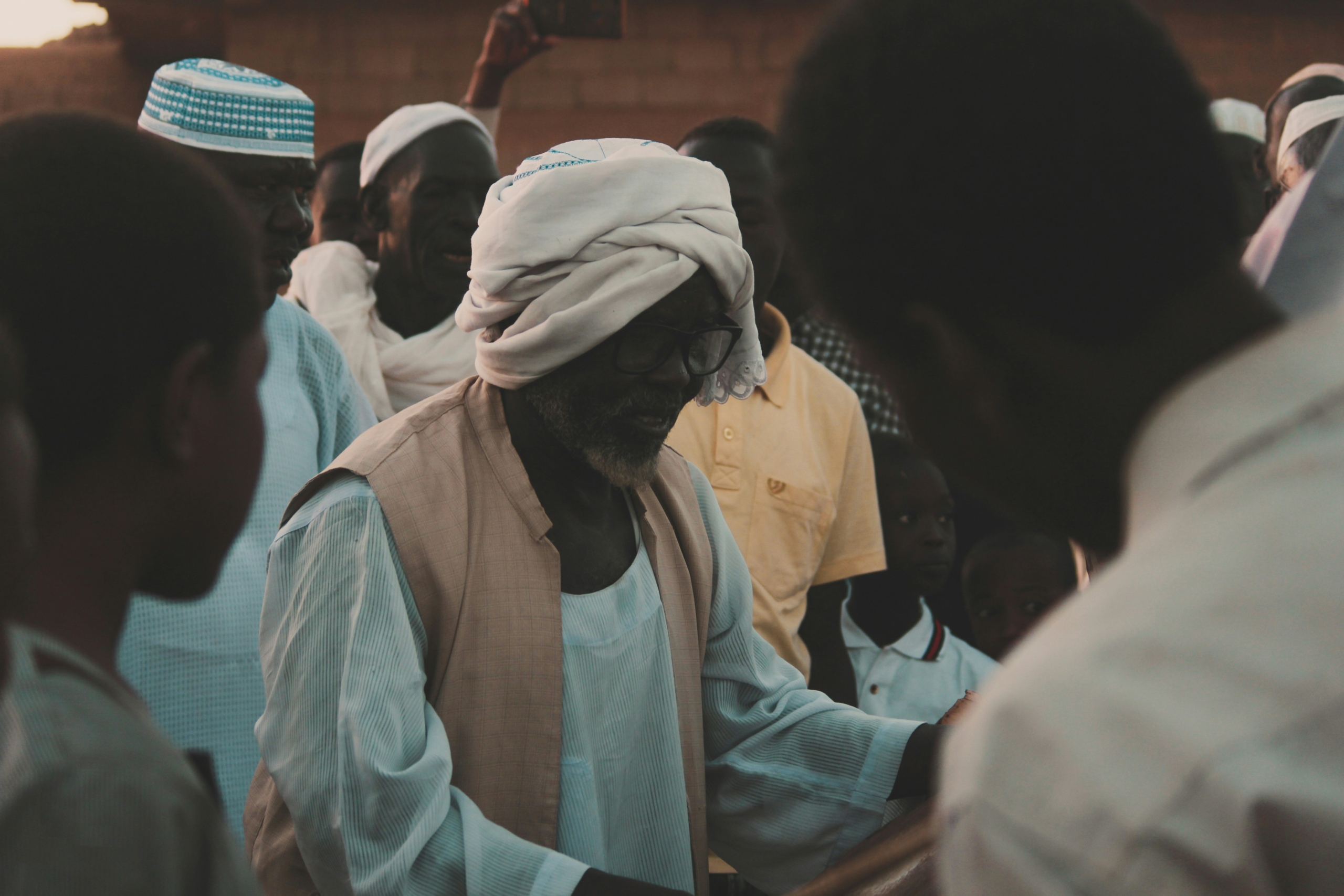 Sudan is a country full of conflict between the people and between the people and their government. This instability has only compounded the country’s difficulties. While Sudan is still recovering from COVID-19 and various government aid programs and World Bank projects are on pause, the Sudanese have been left to fend for themselves. However, the Sudan Emergency Safety Nets Project has been enacted to provide temporary relief until the previous poverty prevention and relief projects are resumed.
Why Have the Preexisting Programs Stopped?
During COVID-19, Sudan was wrecked economically, as many people became unemployed and were unable to find jobs afterward. Compound this with the near-constant fighting occurring in the country and the Sudanese food security is limited to none. This fighting has caused the humanitarian aid front of the World Food Programme (WFP) to stop, as its teams cannot enter active combat zones to provide relief safely. While the WFP can aid the Sudanese people in different areas, those trapped in the middle of conflict cannot receive relief.
This is not unusual when providing humanitarian aid to active conflict provinces. However, the fighting in Sudan is so intense and ongoing that the combat zones change frequently. More and more people are trapped in dangerous provinces away from the WFP’s. At least four military groups are fighting for control of Sudan: the Sudan Armed Forces, Rapid Support Forces and many from previous Sudanese civil wars. With so much conflict, providing humanitarian aid is difficult and dangerous.
The Sudan Emergency Safety Nets Project
The Sudan Emergency Safety Nets Project has two halves: the safety nets and the infrastructural supports. The safety nets include both food and cash, but the value of both is equivalent to $7 in food. This may not seem like much, but the $7 can provide up to 1000 kilocalories, about half the daily required caloric intake. In a country with little consistency and food security, even something as little as $7 can change a person’s life. These Safety nets will focus on households and use its new infrastructural support system to monitor caloric intake per household to maximize their humanitarian aid.
The infrastructural support systems in question can be divided into delivery, monitoring and evaluation and project management. The delivery programs will work to ensure safe evaluation and social information. The programs will also ensure that payments, enrollment and information can safely be delivered to the Sudanese people.
The monitoring and evaluation system will assess potential risks and benefits for future projects and allow people to make informed choices about whether specific aspects of projects are safe to conduct. The hope for this system is to attempt to combat the paused humanitarian relief by monitoring risk factors in Sudan and either acting before it is too dangerous or finding another way around it.
The project management aspect of the infrastructural support system will focus on financing and executing the Sudan Emergency Safety Nets Project. While Sudan is in such turmoil and conflict, the political systems are functionally unilaterally, as this is the nature of civil wars. The project management aspect of the Emergency Safety Nets Project will take on all the administrative and financial aspects that may be done by a political party to ensure that humanitarian relief avoids becoming a political piece in the military conflict.
Final Thoughts
Sudan is struggling with limited food security and constant military conflict. Where the fighting escalates, emergency relief to Sudan is limited and removed to ensure the safety of the relief workers. The Sudan Emergency Safety Nets Project works during these tumultuous times to ensure that the high-conflict areas of Sudan may still receive humanitarian aid. This project works during the halts of other humanitarian projects so that the people of Sudan do not suffer during the civil wars.
– Paige Tamasi
Paige is based in Los Gatos, CA, USA and focuses on Global Health and Politics for The Borgen Project.
Photo: Unsplash
