Access to Sanitary Products for the Rohingya
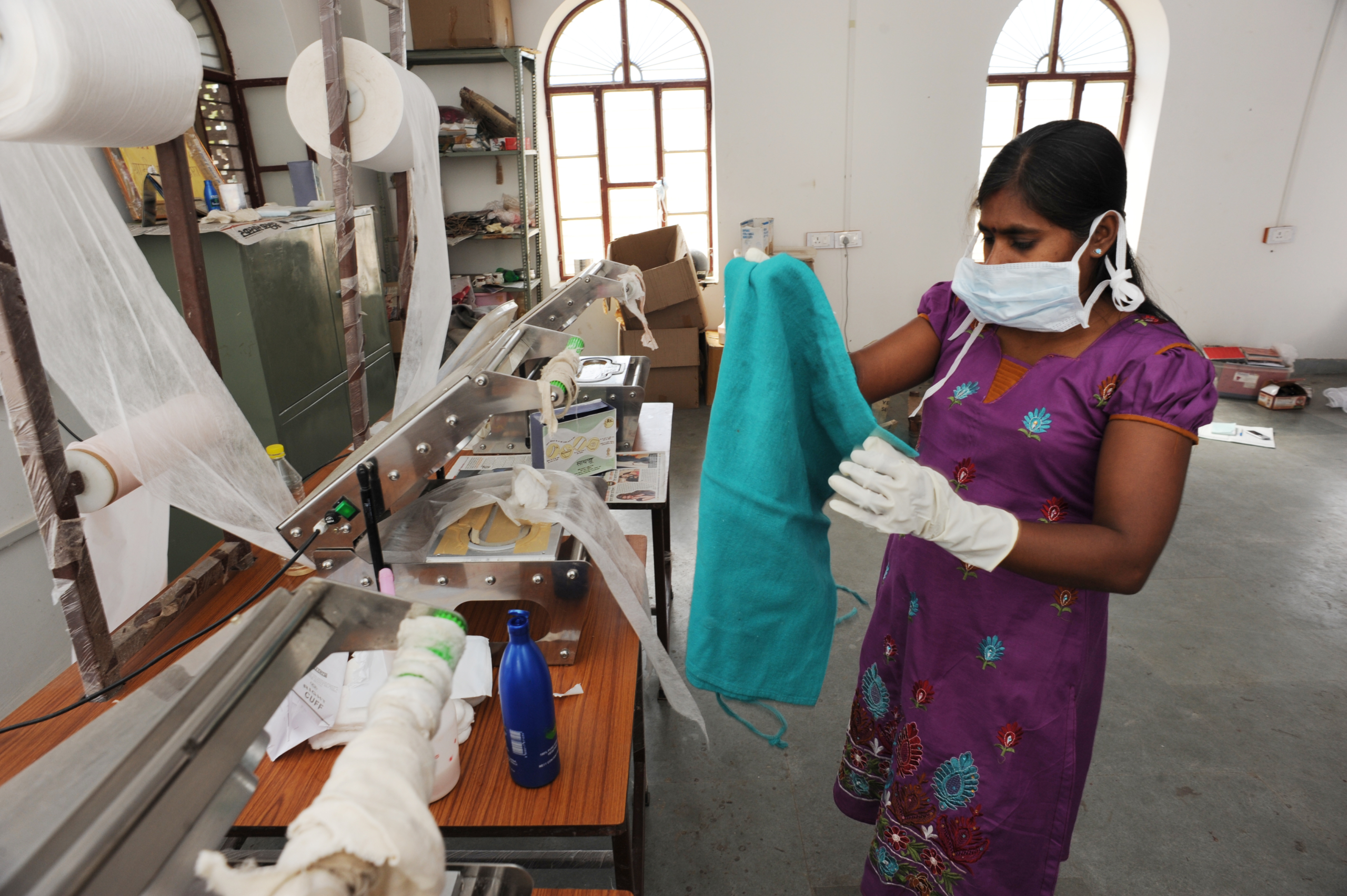 Sanitary products for the Rohingya are among the many depleted resources reaching Cox’s Bazar. In 2023, roughly 67% of girls in these refugee camps did not have access to proper menstrual healthcare. Additionally, as a result of limited resources, many of these girls have poor menstrual hygiene, which can result in significant health issues.
This primary health concern has not gone unnoticed. As early as 2017, the peak of the Rohingya exodus, the United Nations (U.N.) Migration Agency began distributing hygiene and dignity kits. The agency has distributed more than 6,600 hygiene kits to the most vulnerable households, reaching more than 33,000 individuals. These kits include toothbrushes, soap, water containers, menstrual hygiene products and more.
The U.N. Population Fund (UNFPA) has also been running women-led community centers, which aid in producing sanitary products for the community’s women and girls.
Health Concerns
When speaking with the European Civil Protection and Humanitarian Aid Operations, Minara, a woman in one of the camps, said, “We have no money to buy sanitary pads, so we used to use old clothes, which cause a lot of itching and infections.” According to the World Bank, poor menstrual hygiene can result in complicated health issues like reproductive and urinary tract infections, which have the potential to cause infertility or birth complications.
Innovative Solutions
Following discussions within these community centers, it became apparent that the previous dignity kits were not sufficiently solving the issue and the Rohingya women required easier access to sanitary products. Therefore, the European Union Humanitarian Fund and the Danish Refugee Council (DRC) formed an initiative to teach Rohingya women how to tailor their reusable sanitary pads.
The initiative entailed training community members to sew their reusable sanitary pads. The women were also provided with “cloth, scissors, needles, underwear and other materials” and “instructions on the safe use and hygiene maintenance of the pads,” as reported by the Danish Refugee Council.
The original group of 14 Rohingya girls who received the training produced more than 3,000 pads for women in their community by 2022. Several women and girls in the camps also benefited from the program. Ultimately, this initiative allows women and girls to empower their neighbors with the skills they have learned.
Final Remark
Despite the ongoing challenges faced by the Rohingya, it is crucial to empower the community to address these issues from within. Continued support and innovative solutions are essential to tackle this and the many health care challenges the community encounters.
– Lydia Young
Lydia is based in Glasgow, Scotland and focuses on Good News and Global Health for The Borgen Project.
Photo: Wikimedia Commons
