Mental Health in Angola
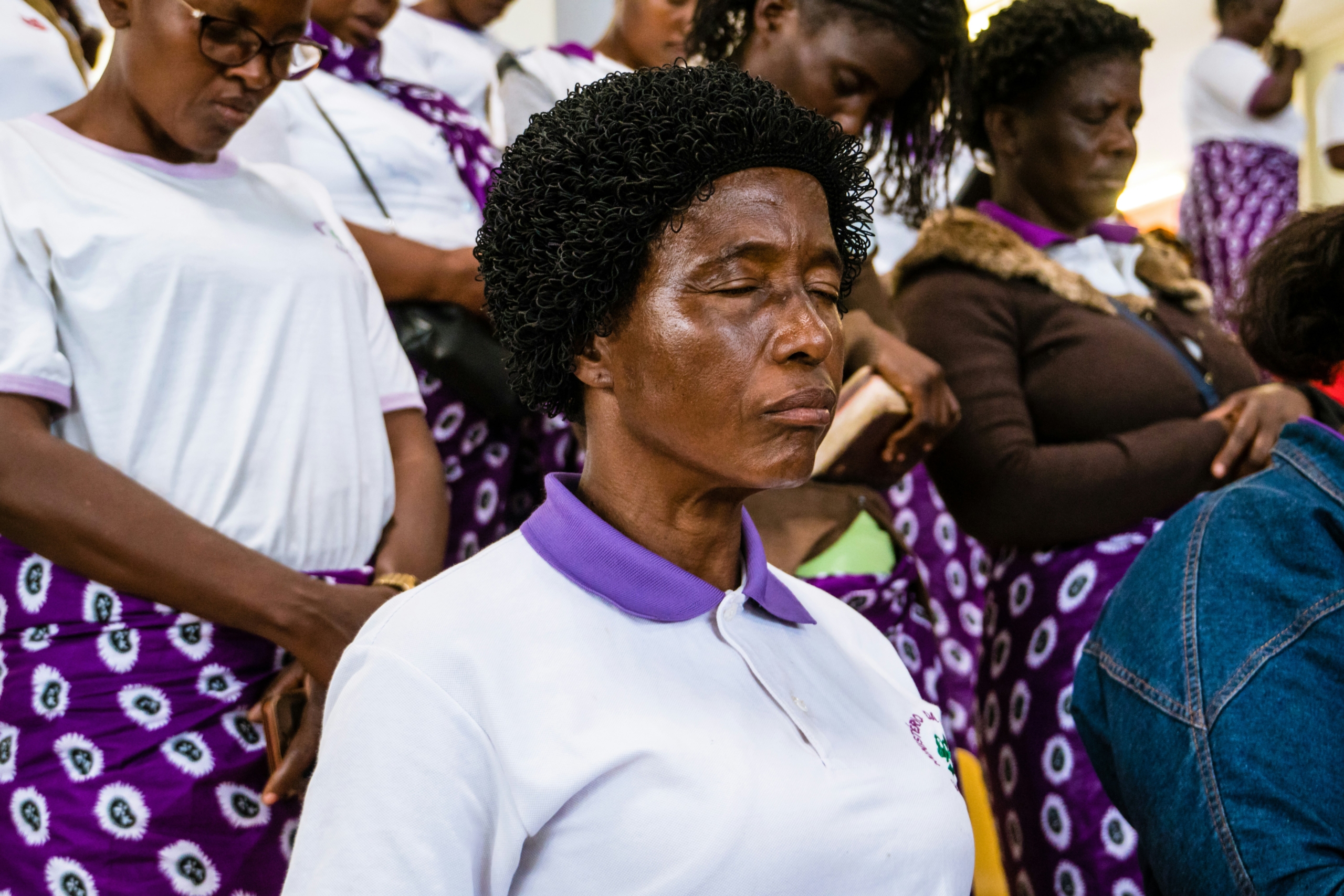 Angola is a small country situated on the western-central coast of Southern Africa. Generous petroleum and mineral reserves support its fast-growing economy. Collectively, Angola shares a crucial concern for mental health with all 54 countries in Africa. However, the treatment of mental health in Angola has been neglected.
Angola’s Health Care Challenges
Limited funding, inadequate mental health care policies, shortages of health care personnel and deficient training of health care workers are some of the health care challenges in Angola. In terms of health care facilities, there are approximately 3,000 people per facility, indicating a strain on accessibility. Moreover, with only 1.01 beds available per 1,000 patients, there’s a concerning shortage of hospital beds.
The physician-to-patient ratio stands at 0.3 per 1,000 patients, equivalent to around 14,000 physicians, which falls below the World Health Organization’s recommended level. Similarly, the nurse-to-patient ratio is 1.1 per 1,000 patients, suggesting further strain on health care resources. These statistics highlight the urgent need to address funding limitations, reform mental health care policies and invest in health care personnel and training to ensure adequate health care provision for the population.
Further, Angola’s 2023 budget allocated 23% of all government expenditures to the social sector, with health care receiving approximately 7%. However, it falls short of supporting the health care needs of 34.5 million people. For the health development plan to be effective, current statistics and comprehensive data could be utilized to upgrade existing priorities. Comprehensive data would include current population growth, distribution of population, infrastructure needs, financial models and human resources that would upgrade priorities.
Programs Tackling Mental Health in Angola
- African Center for Disease Control (CDC): In March 2024, the CDC launched a new Mental Health Leadership Program (AMHLP) to address mental health challenges in several African countries, including Angola. Wellcome, whose mission is to “support discovery research into life, health and well-being,” funded the program. The program aims to “mobilize decision-makers to support countries in reforming services and advising on public health measures to promote and protect mental health and well-being.”
- Education: Doctor Alisha Moreland-Capuia is a leading trauma-informed care expert. Her nonprofit, The Capuia Foundation, is constructing the Institute for Trauma-Informed Systems Change in Angola. Counseling and educating the people of Angola about mental health will help them develop a realistic understanding of mental illnesses.
- Kassai: Kassai is an eLearning platform funded by the United States Agency for International Development (USAID) and the President’s Malaria Initiative (PMI). This program trains health care workers in malaria, family planning and maternal and child health. By the end of 2022, the Kassai platform had 6,600 unique users and 31,000 course enrollments.
Mental health illnesses are a present-day concern in Angola. However, several programs are being initiated by both the Angola government and nonprofits to address mental health challenges in Angola.
– Pamela Fenton
Photo: Unsplash
