Cultivating Hope: Urban Farming in São Paulo
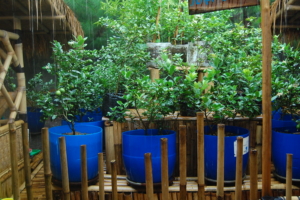 As one of the largest cities in the world, São Paulo faces numerous challenges, including poverty, food insecurity and environmental degradation. However, innovative initiatives centered around urban agriculture are offering a ray of hope for its residents. The movement to make urban areas greener and more sustainable has been gaining ground in Brazil and worldwide since the early 2000s. Moreso, urban farming in São Paulo is emerging as a pivotal strategy to address ongoing issues, highlighting its growing importance in the city’s efforts to improve the quality of life for its residents.
Urban Farming in São Paulo
Urban farming refers to growing fruits, vegetables and herbs within urban areas, utilizing limited space such as rooftops, vacant lots and community gardens. In São Paulo, where access to fresh, nutritious food can be scarce in low-income neighborhoods, urban farming initiatives are playing a crucial role in addressing food deserts and improving food security. By bringing agriculture closer to urban dwellers, these initiatives reduce the distance food needs to travel from farm to table, thereby lowering costs and increasing accessibility.
Despite the numerous benefits of urban farming, it still faces challenges and limitations. Land tenure issues, limited access to resources and bureaucratic hurdles can hinder the scalability and sustainability of urban farming initiatives. In addition, the unequal distribution of wealth and resources within the city exacerbates existing disparities, making it difficult for some communities to fully engage with urban farming efforts.
Environmental Impact of Urban Farming
Urban farming in São Paulo has environmental benefits that extend beyond its economic and social impacts. By converting vacant lots into green spaces, urban farms help mitigate the urban heat island effect, improve air quality and promote biodiversity. Additionally, these initiatives often employ sustainable farming practices such as composting, rainwater harvesting and organic cultivation methods, thereby reducing the city’s ecological footprint and enhancing its resilience to climate change.
Hortelões Urbanos
The Hortelões Urbanos network or Urban Horticulturists, stands out as a leading initiative in São Paulo. Its members champion food autonomy and strive to lessen reliance on traditional farming practices, agribusiness and large retailers. Key principles of the network include fostering equal partnerships between rural and urban communities and opposing the adverse effects of agribusiness on natural resources, transportation, excessive packaging, waste production and labor exploitation.
Nagib and Nakamura report that initiatives like these promote the sharing of experiences and information about urban agriculture, whether at the household or community level. Involving residents in the cultivation process fosters a sense of ownership and empowerment within these communities.
Urban farming in São Paulo offers economic opportunities for vulnerable populations, thereby contributing to poverty alleviation. Through training programs and cooperatives, individuals living in impoverished areas are equipped with the knowledge and resources to grow their food or even start small-scale agricultural businesses. By selling surplus produce at local markets or participating in community-supported agriculture (CSA) programs, urban farmers can potentially generate additional income, thus reducing their reliance on expensive store-bought groceries and improving their financial stability.
Looking Ahead
Urban farming offers significant potential as a strategy for reducing poverty and developing communities in São Paulo. The ongoing initiatives enhance access to fresh food, generate economic opportunities and promote environmental sustainability, presenting a comprehensive solution to the intricate issues urban populations encounter. As São Paulo expands and progresses, urban farming is poised to play a crucial role in the city’s endeavors to create a more equitable and resilient environment for all residents.
– Rhys Woodward
Rhys is based in Edinburgh, Scotland and focuses on World News for The Borgen Project.
Photo: Flickr
