Disability and Poverty in Vietnam
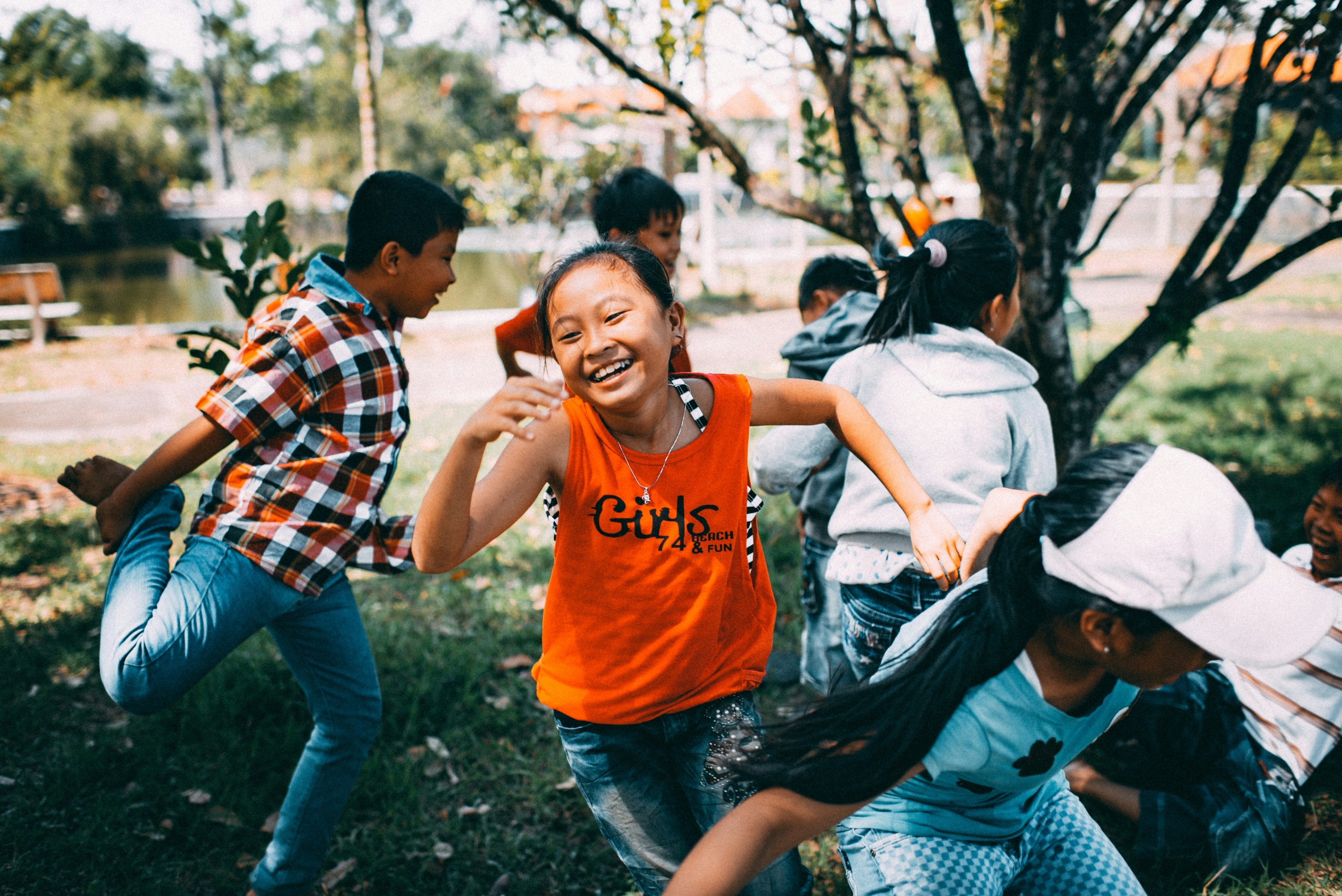 According to research, 37% of children in Vietnam live in poverty. This stark disparity becomes even more pronounced when compared with the United Nations Children’s Fund (UNICEF) findings, highlighting that only 10% of children in Vietnam benefit from cash transfers or assistance. This staggering statistic underscores the alarming gap in essential cash support for many of the child population. Mainly disconcerting is the situation faced by ethnic minority children residing in rural areas, who confront age-specific risks such as malnutrition.
Poverty in Vietnam
While Vietnam has dramatically reduced its malnutrition rate since 2004, an unfinished agenda remains. While making strides, the present social protection system reveals inherent gaps in cohesiveness, marked by limited coverage and benefits lacking in progressiveness and child sensitivity. As a result, the system cannot address the multiple disadvantages and vulnerabilities affecting children’s well-being.
Reports on development in Vietnam highlight a noteworthy disparity in poverty rates between the majority of Kinh people, constituting more than 88% of the population and ethnic minorities, comprising less than 15%. The poverty rate among the Kinh population in Vietnam stands at a mere 2.9%, showcasing a relatively favorable economic situation. However, a stark contrast emerges among ethnic minorities, where nearly half grapple with the harsh realities of poverty.
Social Protection
For decades, UNICEF has been steadfast in its mission to advance the rights and well-being of the world’s most marginalized and excluded children. This includes those with disabilities. With a dedicated commitment to securing the full realization of their human rights, UNICEF strives to create environments that uphold quality and inclusiveness. The organization is committed to its pursuit of a world where children, irrespective of disabilities, can thrive, liberated from the shackles of discrimination, stigma, exclusion and violence.
In alignment with this vision, UNICEF actively supports governments, notably in developing child-sensitive social protection systems. This strategic involvement seeks to lay the foundation for a framework that not only safeguards the rights of every child but also addresses the unique needs and challenges faced by those with disabilities.
Children with disabilities are one of the most excluded and marginalized groups. They often face multiple challenges in realizing their human rights. However, UNICEF, through its Disability Inclusion Policy and Strategy (DIPAS) initiative, has committed to “delivering disability-inclusive support and services for children in their communities,” including those in Vietnam. In 2022, the initiative reached 4.5 million children with disabilities across 142 nations, ensuring “every child has the support they need to be healthy, educated, respected and protected.”
Final Remark
Inclusion of all children with disabilities is one of the goals to achieve sustainable development. To achieve this objective, it is imperative to fortify legal, policy and institutional frameworks when embarking on national social protection reforms, using universal and life-cycle approaches. This strategic approach ensures that the diverse needs of children at different stages of life are comprehensively addressed. The work of UNICEF in Vietnam has led to the development of a child protection system that serves the interests of all children, particularly the most vulnerable.
– An Tran
Photo: Unsplash
