Aid Groups Support Maternal and Child Health in Afghanistan
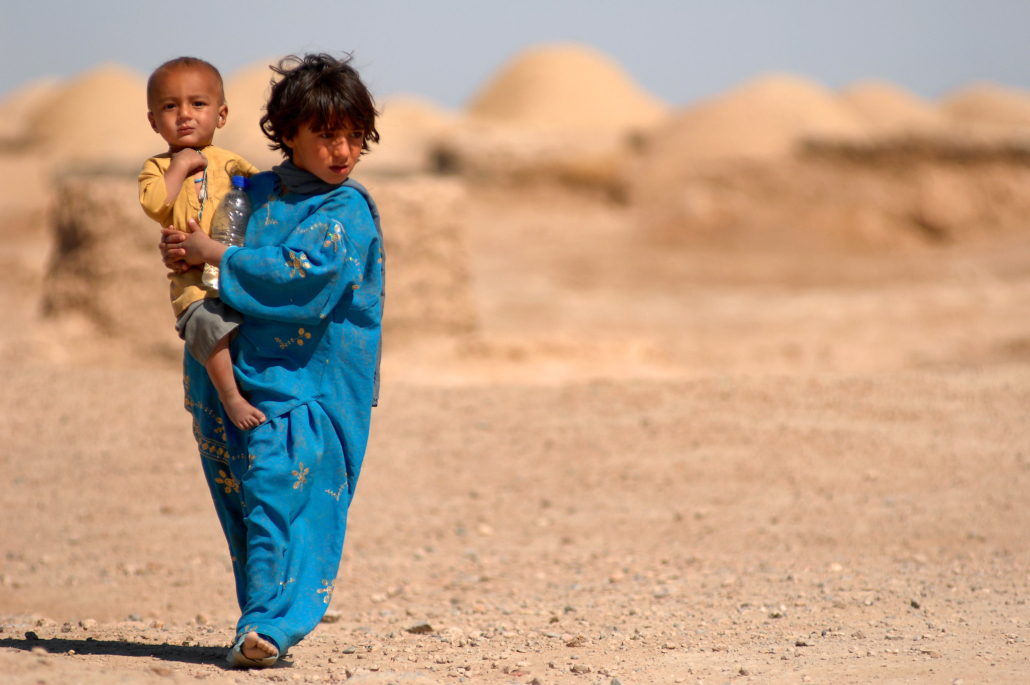 Widespread poverty, changing weather patterns, economic crisis, restrictions to gender rights and a broken health care system have left Afghanistan in a dire humanitarian crisis. The region’s most vulnerable population — mothers and their children — are suffering the most. For example, in 2018, 4 out of 10 children died before their first birthday. Amidst this ongoing crisis, droves of humanitarian workers supported by several aid groups are rallying for maternal and child health Afghanistan.
Three aid groups in particular, The United Nations International Children’s Emergency Fund (UNICEF), Medecins Sans Frontieres/Doctors Without Borders (MSF) and the World Health Organization (WHO), are taking action to keep mothers and children from suffering and dying from preventable causes.
Crisis for Child Health in Afghanistan
UNICEF recognizes that Afghanistan is one of the most dangerous places in the world to be a baby, child or mother. Afghanistan has one of the highest infant mortality rates, and thousands of Afghani women die every year due to preventable pregnancy-related causes. According to the 2020 Human Development Report released by the United Nations Development Programme (UNDP), Afghanistan ranked 169 on the gender inequality index.
Access to health care remains low for women. Between 2000 and 2015, only 59% of women received natal care from a skilled health care provider, and only 53% of births were protected against neonatal tetanus — a life-threatening, vaccine-preventable bacterial infection in newborns that is typically caused by non-sterile instruments and an unclean environment during the birth process. Of those babies that make it past the first critical months of development, less than half are fully vaccinated between the ages of 12 and 23 months.
Malnutrition is another critical risk factor for infants and young children. Only 16% of children between the ages of 6 and 23 months meet minimal dietary standards, contributing to high levels of malnutrition-related developmental issues. About 10% of young children suffer from childhood wasting, where the weight or height is less than two standard deviations from the median of the WHO Child Growth Standards. The percentage of underweight children is 41%, and child stunting, a condition where a child is too short for their age due to chronic and recurrent malnutrition, affects 41% of Afghani children.
UNICEF’s Work to Save Maternal and Child Health in Afghanistan
UNICEF is working with existing health care facilities to expand services and reach children and mothers in remote villages who could not otherwise afford to travel and receive the lifesaving health services they need. By providing training and essential equipment for newborn care, deploying mobile health care outreach teams to these rural and isolated communities, and supporting specialized maternity waiting homes and rooms, UNICEF hopes to empower existing health facilities to support Afghanistan’s most vulnerable and impoverished women and children.
UNICEF also works with the Ministry of Public Health, developing and rolling out standardized national guidelines for newborn care in an effort to reduce preventable illnesses and deaths in newborns. This includes providing zinc and rehydration solution co-packs for treatment of diarrhea, a widespread and preventable cause of illness and death in infants and children.
MSF’s Efforts
Since MSF began its work in Afghanistan in 1981, they have built seven health facilities and clinics in the region. MSF staff has assisted in more than 42,800 births, including more than 2,100 cesarean sections, and has admitted more than 9,100 children into their facilities for inpatient feeding programs in an effort to combat the effects of severe malnutrition. While these efforts have had an incredible impact on the lives of impoverished and malnourished Afghans, more work is necessary.
“Sometimes, mothers are so malnourished they can’t produce milk,” said a member of MSF’s medical staff in Herat Regional Hospital. “We see them putting tea in bottles to give to newborn babies—only seven or eight days old — which can be very dangerous.”
How WHO is Helping
In August 2023, WHO released an alert highlighting the importance of increased investment in Afghanistan’s severely under-resourced health care infrastructure. Recognizing the current health emergency in the region, WHO has targeted 7.5 million children and 3.1 million women for health assistance.
Dr. Tedros Adhanom Ghebreyesus, WHO Director-General, stated: “The situation in Afghanistan is grave, and the lack of resources and funding to support health workers and facilities is putting countless lives at risk. Women and children are suffering the most.”
– Ann-Jinette Hess
Photo: Flickr
